

Prizren: The Cultural Heart of Kosovo


By Beata Bruggeman-Sekowska
Prizren is constitutionally designated as the historical capital of the country. In contrast to Pristina’s modern skyline, Prizren stands out with its old-world charm and deep historical roots. Prizren is the second most populous city and is located on the banks of the Prizren River Bistrica between the foothills of the Sharr Mountains in southern Kosovo.
The city’s well-preserved historic center draws many visitors, yet remains surprisingly affordable. As the most culturally diverse city in Kosovo, Prizren has been home to many different religions and cultures for centuries, it is home to Kosovo Albanians, Bosniaks, Turks, and Romani. The Turkish community, in particular, plays an influential role in the city, and Turkish is widely spoken, even among non-Turks. Only a small number of Kosovo Serbs remain in the area, primarily in surrounding villages.

©Beata Bruggeman-Sekowska
Recognized as Kosovo’s historical capital, Prizren’s past stretches back to the Bronze Age. It thrived during the Ottoman era, leaving behind a rich architectural and cultural legacy.
Each August, the city hosts DokuFest, one of Europe’s premier documentary film festivals. During this time, the city transforms into a massive open-air cinema, with screenings held everywhere—from the medieval fortress to unique venues along the river. The festival began at Kino Lumbhardi, a historic outdoor cinema where visitors can still watch films throughout the year.
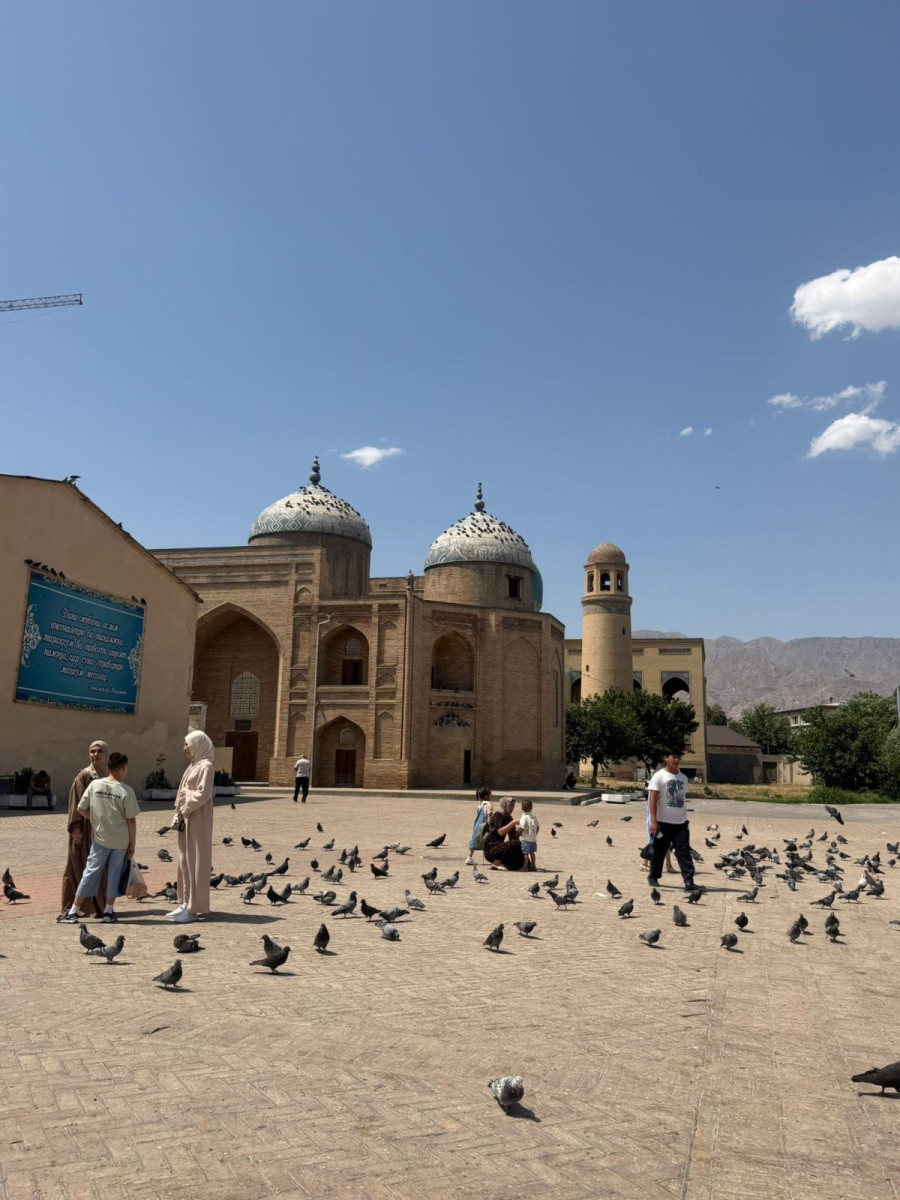
Prizren is considered as a museum city with many mosques, churches and old buildings of national importance.
Must-See Sights in Prizren:
Prizren Fortress Kalaja (Kaljaja)– archaeological excavations in Prizren Fortress show that its fortress area has seen habitation since the Bronze Age. Prizren Fortress, a medieval stronghold, is located above the Prizren river, on a hill. The magnificent Kalaja Fortress is medieval stronghold offers breathtaking panoramic views, not only over the city but also over the surrounding region, so do not forget your camera. Visitors can explore remnants of a church, a cistern, and a small museum showcasing local artifacts. The fortress also serves as a venue for cultural events.

©Beata Bruggeman-Sekowska

©Beata Bruggeman-Sekowska

©Beata Bruggeman-Sekowska
Church of St. Savior: walking up the Prizren fortress, around half the way up you will see this beautiful building, partially in ruins.

©Beata Bruggeman-Sekowska
Sinan Pasha Mosque – a beautifully preserved Ottoman mosque built in 1615, known for its intricate frescoes and carvings. It remains an active place of worship.

©Beata Bruggeman-Sekowska

©Beata Bruggeman-Sekowska
Shadervan Square – The lively center of Prizren’s Old Town, lined with cafés, restaurants, and traditional shops. Relax with a macchiato at Shadervan Square—they say if you have one here, you’re bound to return. By the way, it is believed that the best macchiato in the world is served in Kosovo and I can confirm it.

©Beata Bruggeman-Sekowska
Old Stone Bridge – A 16th-century Ottoman bridge, one of Prizren’s most iconic landmarks.

©Victoria Bruggeman

©Beata Bruggeman-Sekowska
Hamam of Gazi Mehmet Pasha – A well-preserved Ottoman-era bathhouse, reflecting the city’s architectural heritage.
Church of Our Lady of Ljeviš – The Serbian Orthodox church was built in 1306 by King Stefan Milutin in 1306. It is famous for its medieval frescoes and recognized as a UNESCO World Heritage Site.

©Beata Bruggeman-Sekowska
Abi Çarshia – A bustling shopping district, featuring “I Love Prizren” sign.

©Aloys Bruggeman

©Beata Bruggeman-Sekowska
And while in Prizren do not skip the amazing food from Kosovo, especially local Flija or Tava e Prizrenit together with a glas of beer or wine from Kosovo.

©Beata Bruggeman-Sekowska
For those seeking outdoor adventures, the Sharr Mountains provide the perfect escape. Stretching 70 kilometers across Kosovo and North Macedonia, this rugged range reaches an elevation of 2,656 meters at its highest peak. Known for its hiking trails, ski resorts, and mountain biking routes, the region attracts nature lovers year-round. Beyond its natural beauty, the mountains are dotted with historical sites, including monasteries and fortifications that date back centuries.
Photos: ©Beata Bruggeman-Sekowska, ©Victoria Bruggeman, ©Aloys Bruggeman

Author: Beata Bruggeman-Sękowska is an international journalist and author with a background in American Culture Studies from Warsaw University. She is the chief editor of the Central and Eastern Europe Center and president of the European Institute on Communist Oppression. Born in Warsaw and currently residing in the Netherlands, Beata has roots in Lviv, Ukraine and has Armenian heritage.
Read also: