

Visit of the Marshal of the Polish Senate to the Netherlands.Tribute to the Polish Liberators of the Dutch city of Breda

Beata Bruggeman-Sękowska
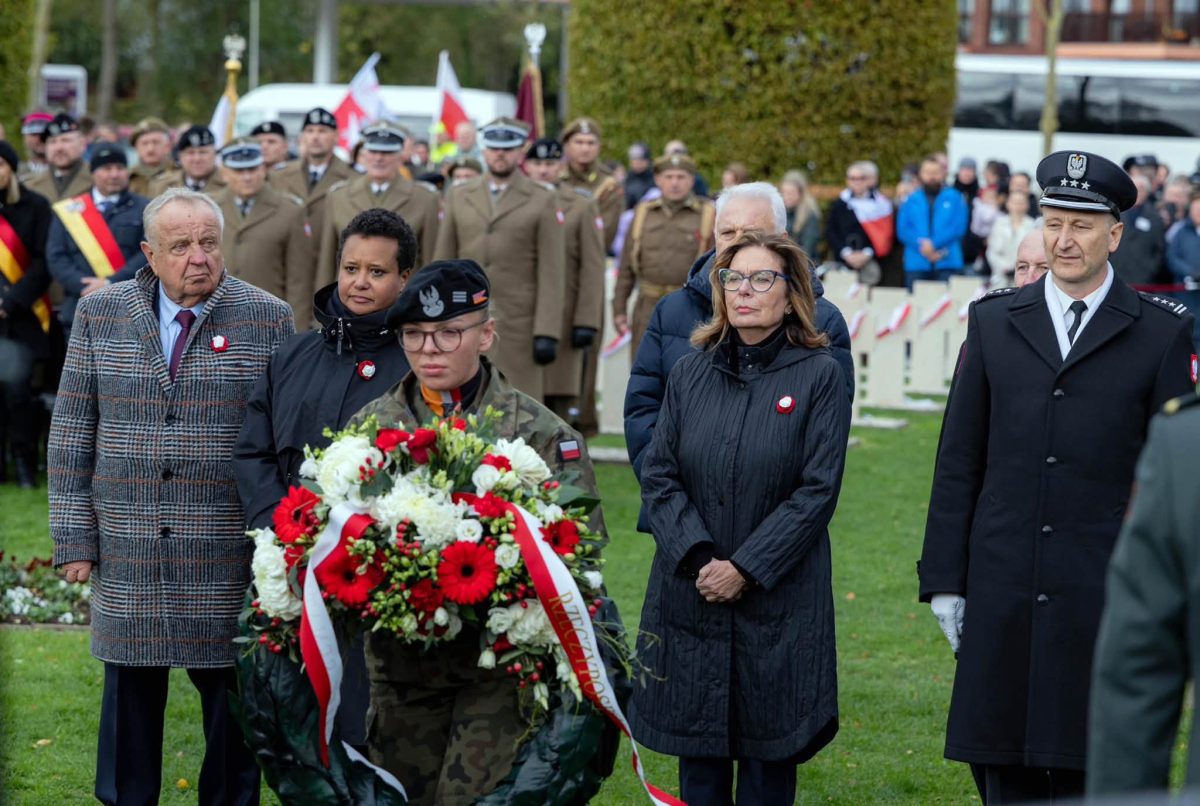
On 24–25 October, a delegation from the Senate of the Republic of Poland, comprising Marshal Małgorzata Kidawa-Błońska, Senators Gustaw Brzezin, Władysław Komarnicki and Waldemar Kraska, Robert Tyszkiewicz, Coordinator for the Polish Diaspora and Poles Abroad at the Chancellery of the Senate, as well as Jakub Stefaniak, Deputy Head of the Chancellery of the Prime Minister and Michał Syska, Deputy Head of the Office for War Veterans and Victims of Oppression, took part in commemorations marking the 82nd anniversary of Breda’s liberation by the soldiers of General Maczek. Also present were Margareta Kassangana, Ambassador of the Republic of Poland to the Kingdom of the Netherlands, and Karolina Maczek-Skillen, the general’s granddaughter. The Polish Senate delegation also took part in meetings with the Polish diaspora.
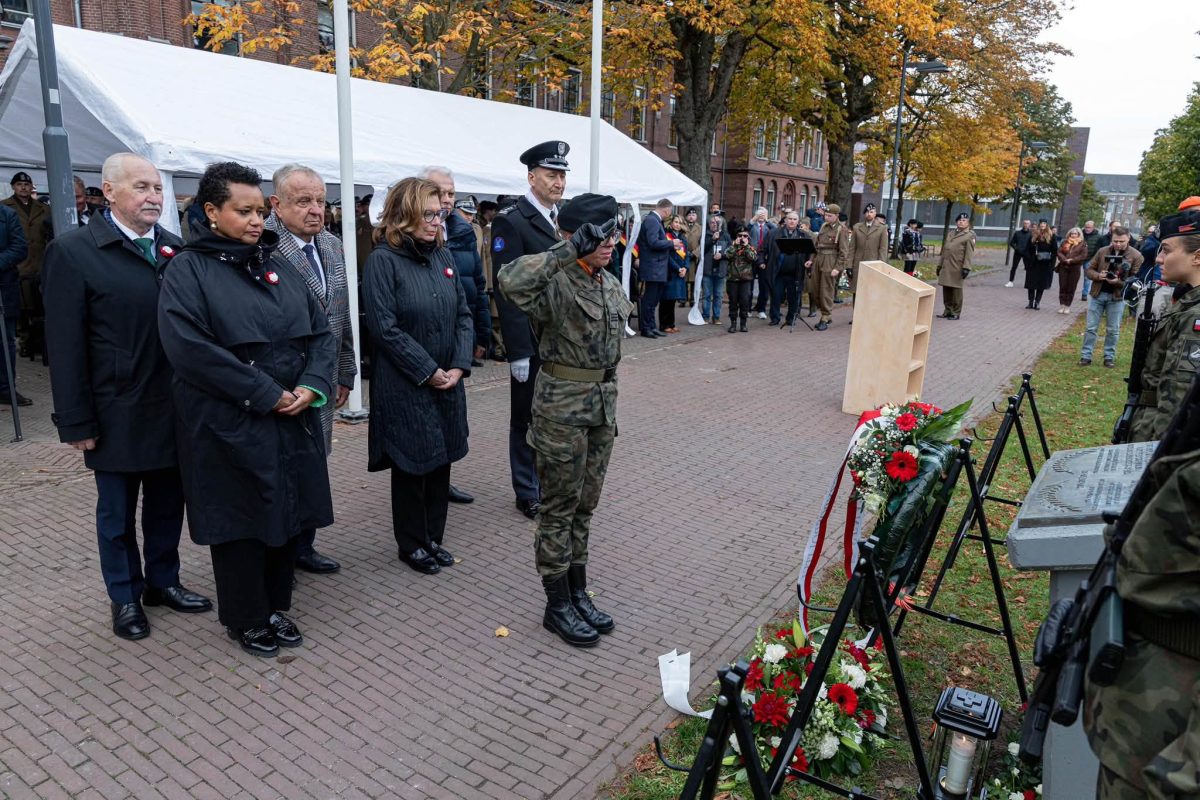
photo: Tomasz Paczos / Chancellery of the Senate
The visit began with a ceremony at the plaque commemorating the 1st Polish Armoured Division.
“This place is a symbol of the friendship and alliance between the Kingdom of the Netherlands and Poland. I would like to express my pride in and admiration for General Maczek’s soldiers, who not only liberated this beautiful city but also saved it from destruction,” said the Marshal of the Senate.
Read more here about the Polish heroes who liberated the Netherlands:
https://www.communications-unlimited.nl/dutch-city-of-breda-and-polish-heroes/
A distinction for the city was presented to Breda Mayor Paul Depla. The mayor also received the Pro Bono Poloniae Medal, presented to him by Michał Syska, Deputy Head of the Office for War Veterans and Victims of Oppression. Awards were also presented to volunteers involved in preserving the memory of the Polish soldiers.
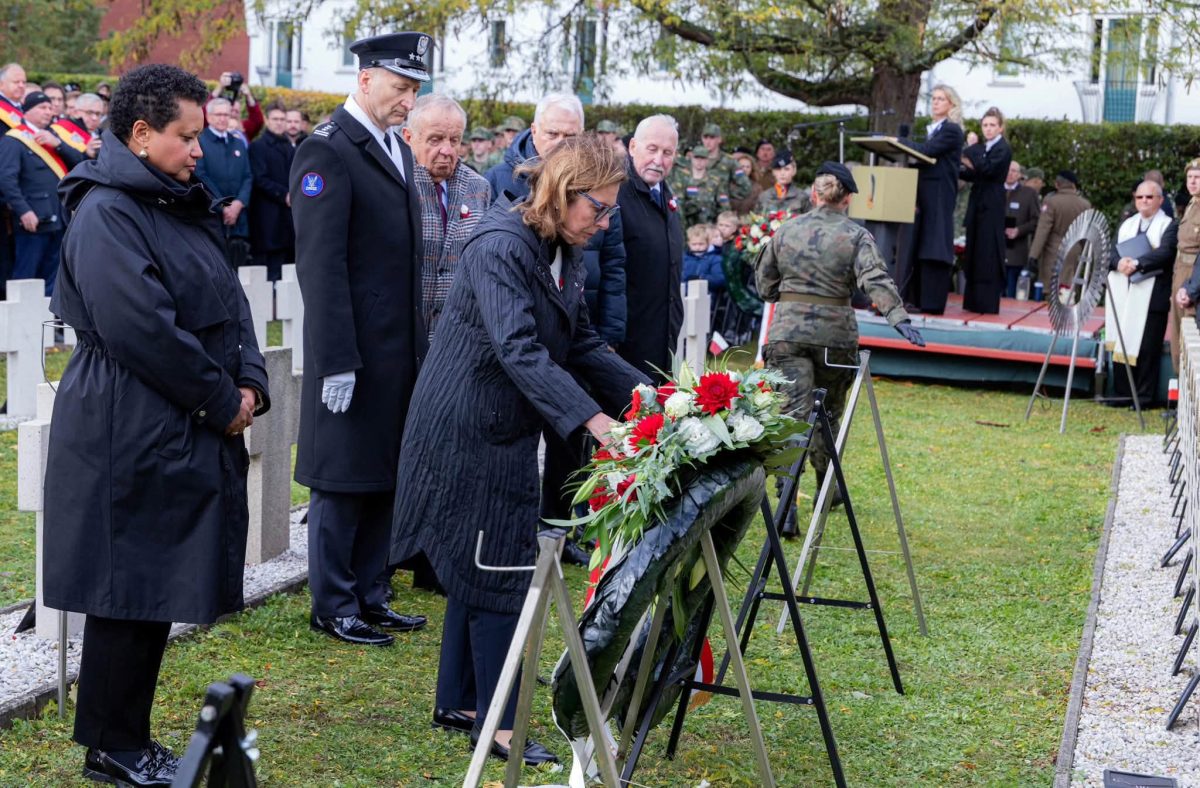
photo: Tomasz Paczos / Chancellery of the Senate
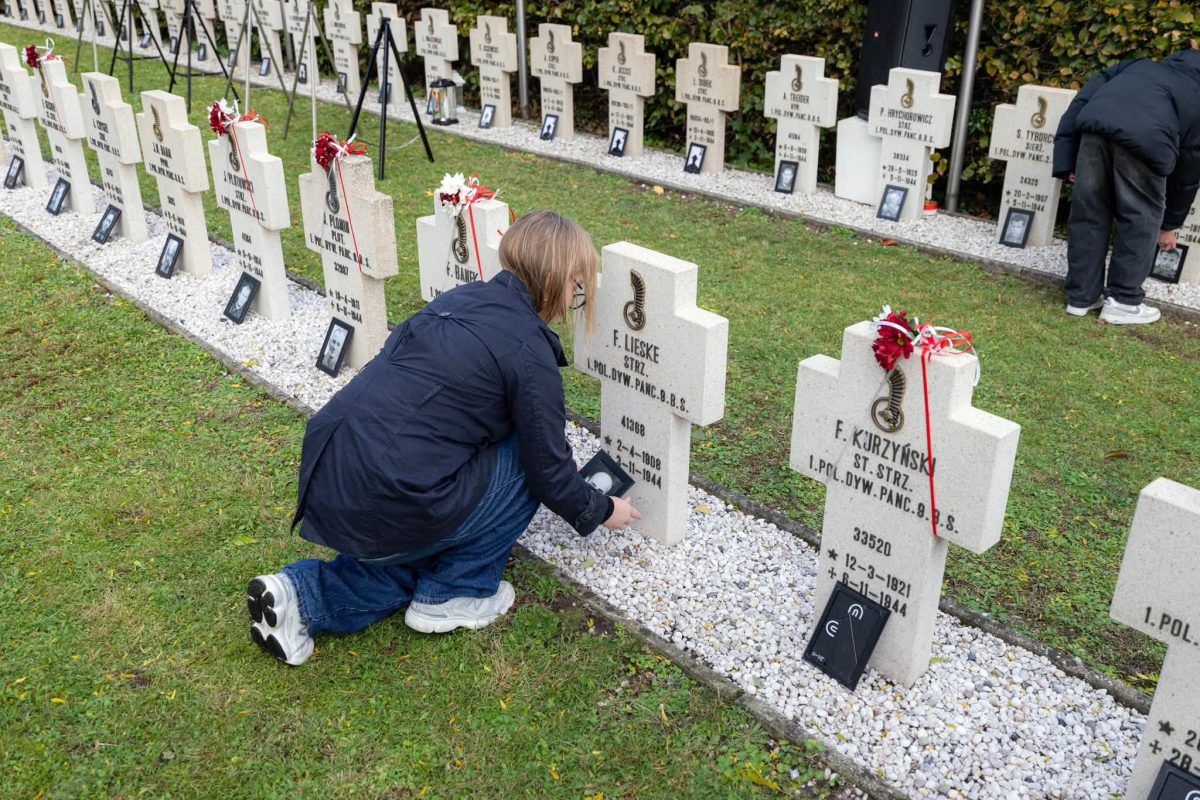
photo: Tomasz Paczos / Chancellery of the Senate
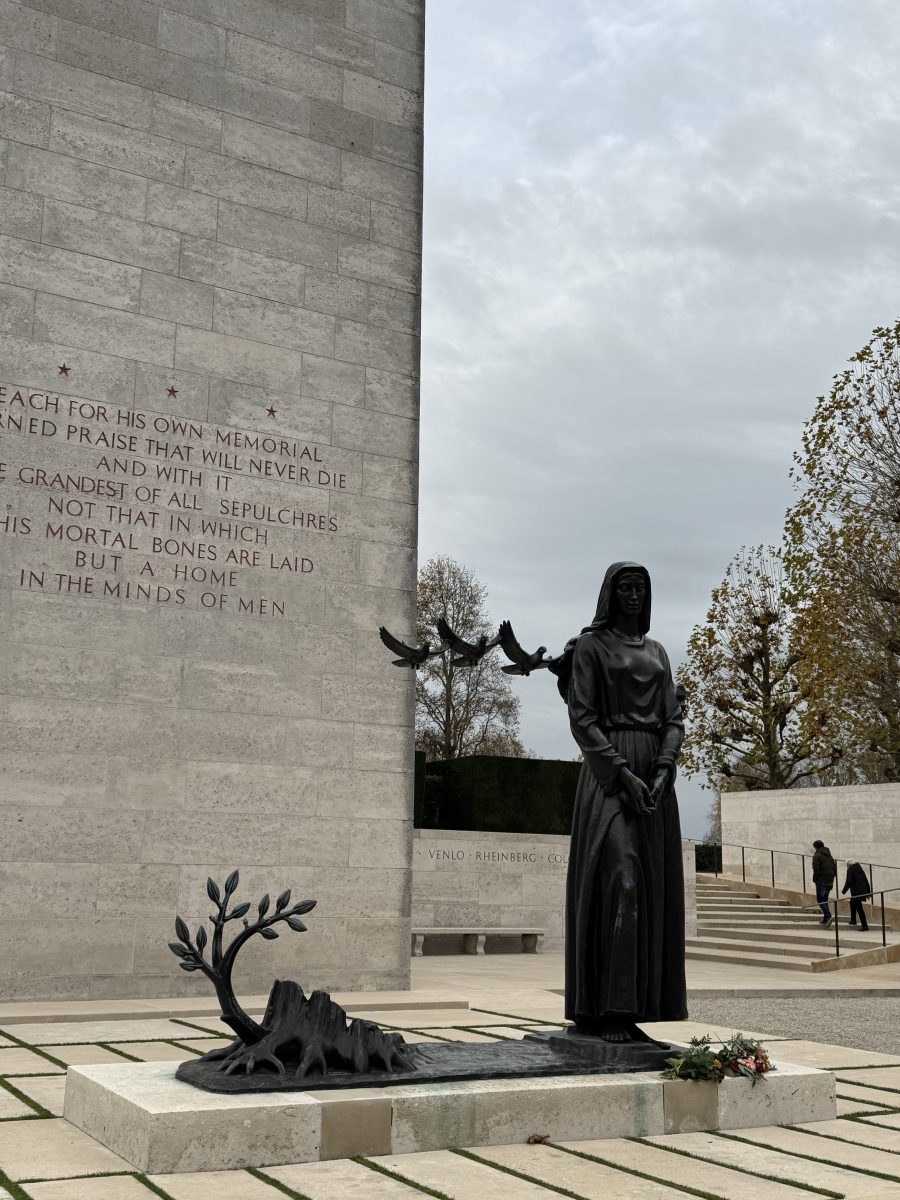
The second day of the visit began with Holy Mass at the Church of St Maximilian Maria Kolbe, serving the Polish Roman Catholic parish in Breda. The Polish delegation then visited the Polish Military Cemetery of Honour in the Ginneken district. It is the second-largest Polish military cemetery in the Kingdom of the Netherlands. Eighty Polish soldiers are buried there, most of whom fell during the fighting for Ginneken in 1944. During the ceremony, representatives of the 1944 Remembrance Committee in Breda spoke about the fate of Polish soldiers in the region: their journey to the Netherlands, their participation in numerous battles, and the subsequent lives of those who survived and whose descendants continue to form part of the Polish community in the Netherlands. The names of the heroes who fought for the liberation of the Netherlands were read out. Young members of the Polish diaspora unveiled portraits of the fallen and laid flowers on their graves. Representatives of the Polish and Dutch authorities subsequently laid wreaths.
The participants also visited the General Maczek Museum and Memorial, which opened in 2021.
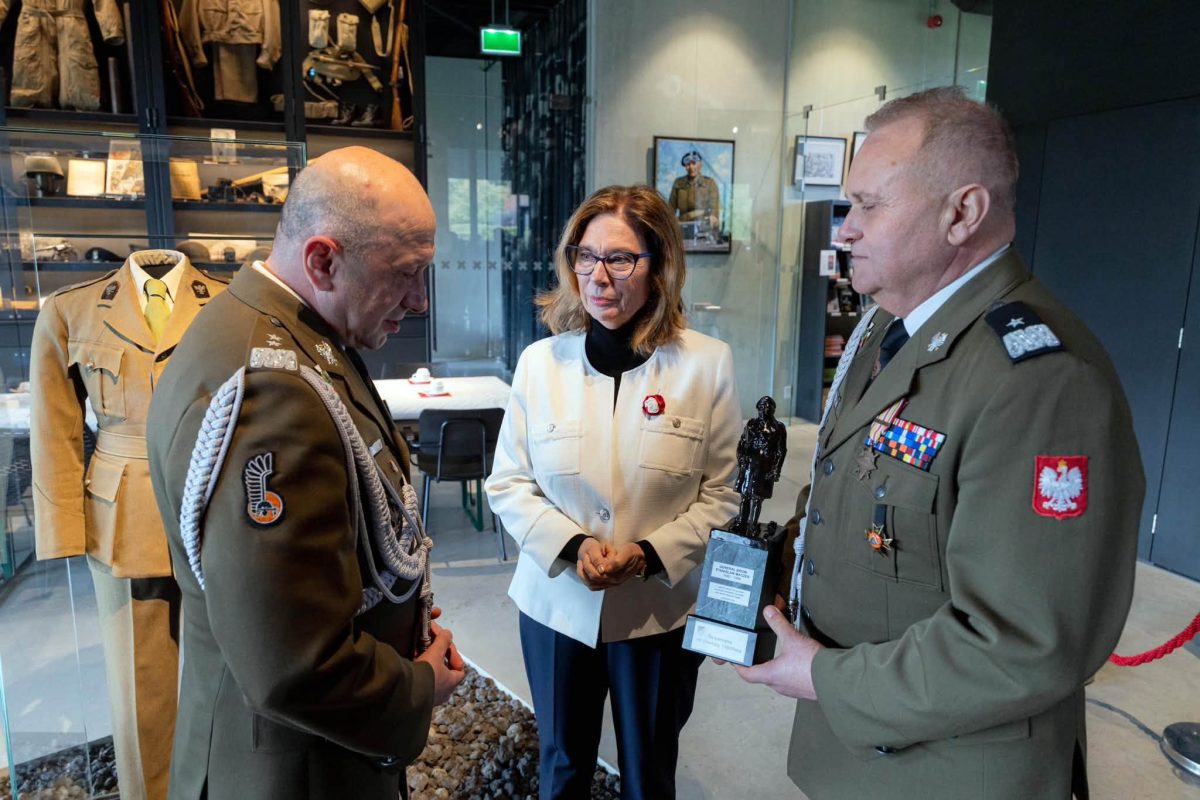
photo: Tomasz Paczos / Chancellery of the Senate
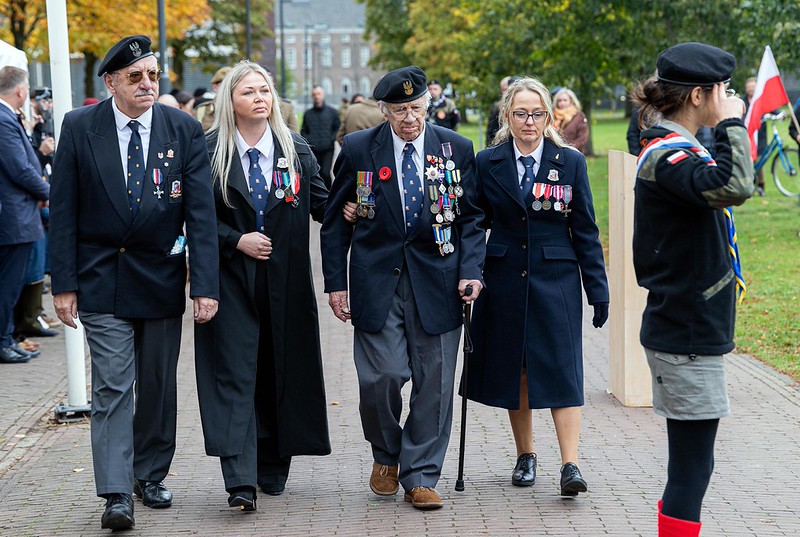
The commemorations marking the 82nd anniversary of Breda’s liberation continued at the Ettensebaan cemetery. The Polish Military Cemetery on Ettensebaan contains 162 Polish graves. Those buried there include soldiers of the 1st Armoured Division, airmen and soldiers of the 1st Independent Parachute Brigade, as well as General Stanisław Maczek, who, in accordance with his wishes, was buried among his men.
During the commemorations, the graves of Polish soldiers were blessed and wreaths were laid. The ceremonies concluded with a roll call of remembrance honouring all the Polish liberators who contributed to the development of democracy in Europe in the 20th century.
“Memory is also a relay passed down through generations. For all of us, remembering our grandparents or parents is an obligation to pass on their experiences to future generations. When we lay wreaths on graves, we say, ‘honour their memory’. In essence, however, we are simply saying, ‘we remember’,” said the Marshal of the Senate. “The next generation of European citizens must think about defending our homes and our values. For this generation, the story of Stanisław Maczek and his soldiers can serve both as a warning and as a guide.”
In her speeches at the commemorative plaque and at the cemetery, Marshal Małgorzata Kidawa-Błońska drew attention to the dramatic change in the context of these anniversary gatherings. She noted that Russia’s invasion of Ukraine and missile and drone attacks on Lviv make the memory of the Second World War an extraordinarily relevant lesson today. She warned that ideas about a new concert of great powers evoke the shameful experiences of Tehran and Yalta, while the words “never again war”, repeated at gravesides, have become an empty slogan.
On behalf of Prime Minister Donald Tusk, a letter was read out by Jakub Stefaniak, Deputy Head of the Chancellery of the Prime Minister. In it, the Prime Minister emphasised that solidarity, mutual trust and joint action are the only effective weapons against aggression. Breda Mayor Paul Depla also spoke, expressing his gratitude to the people of Poland for the fact that young soldiers had left their families to fight for people they did not know, without knowing whether they themselves would ever experience freedom in their own homeland. In recognition of the city’s gratitude and its efforts to preserve remembrance, Breda was awarded the Pro Bono Poloniae Medal, which was presented to the mayor by Michał Syska.
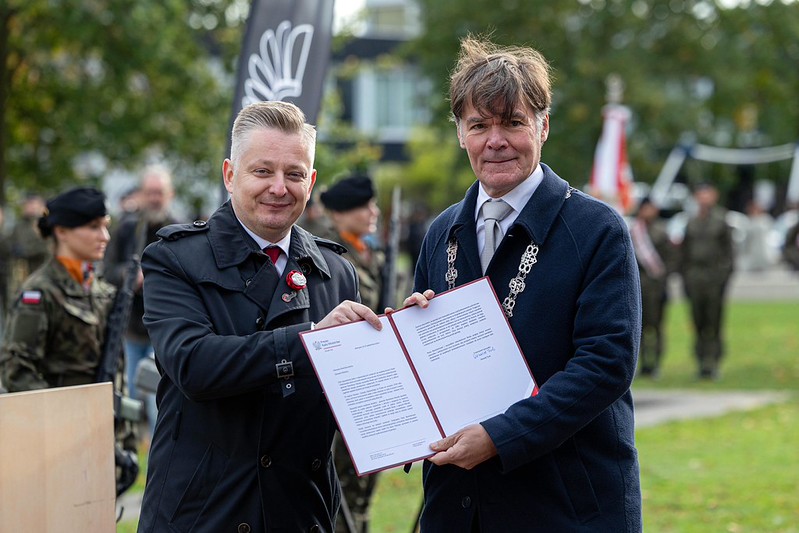
photo: Tomasz Paczos / Chancellery of the Senate
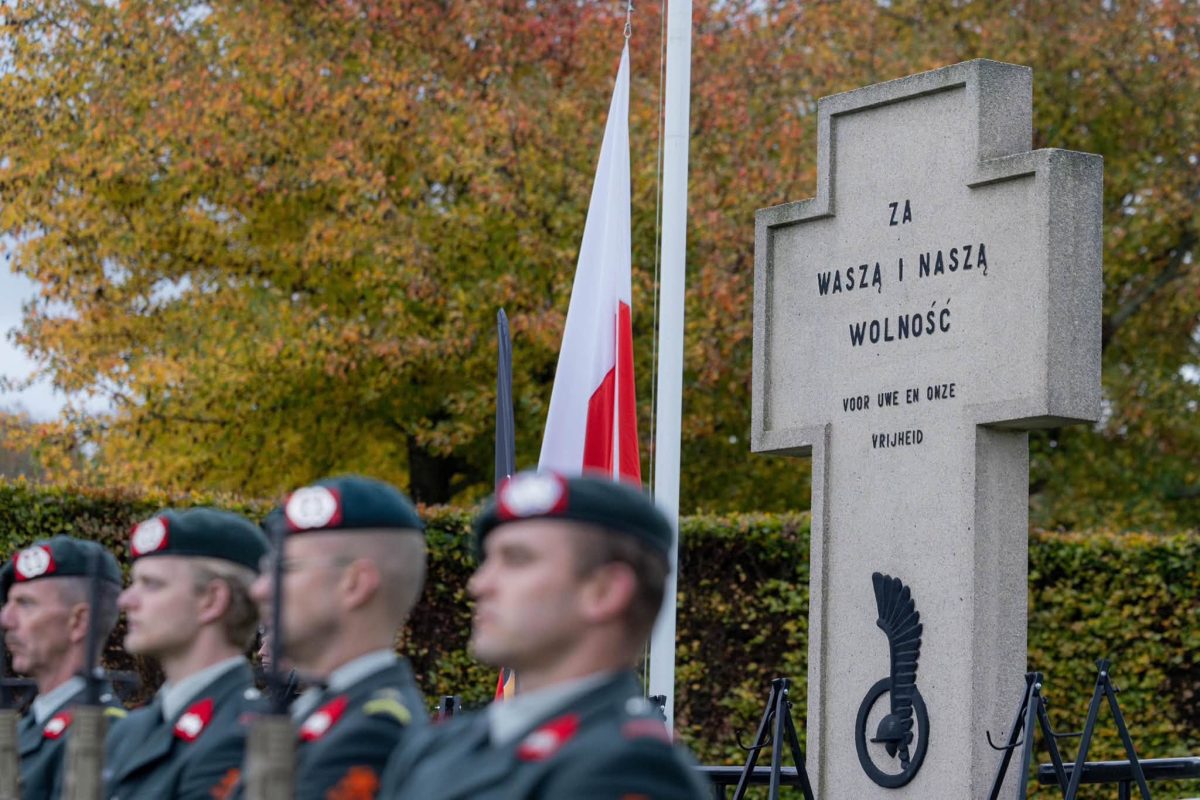
photo: Tomasz Paczos / Chancellery of the Senate
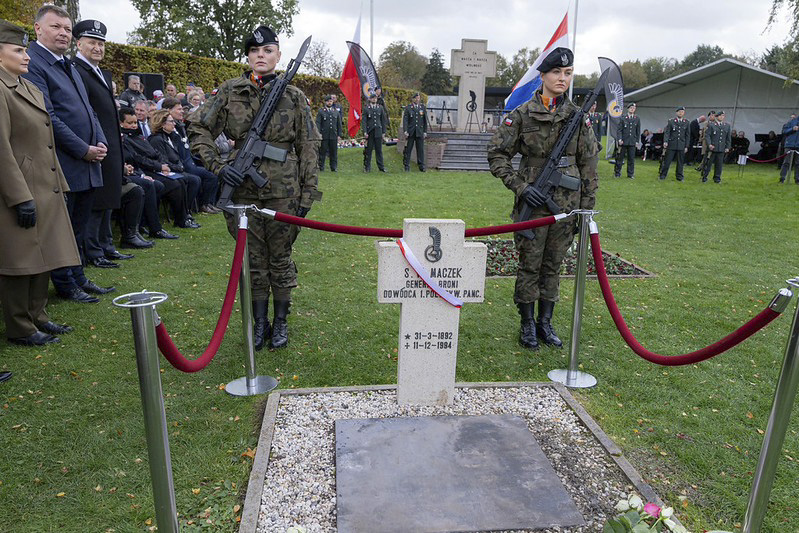
photo: Tomasz Paczos / Chancellery of the Senate
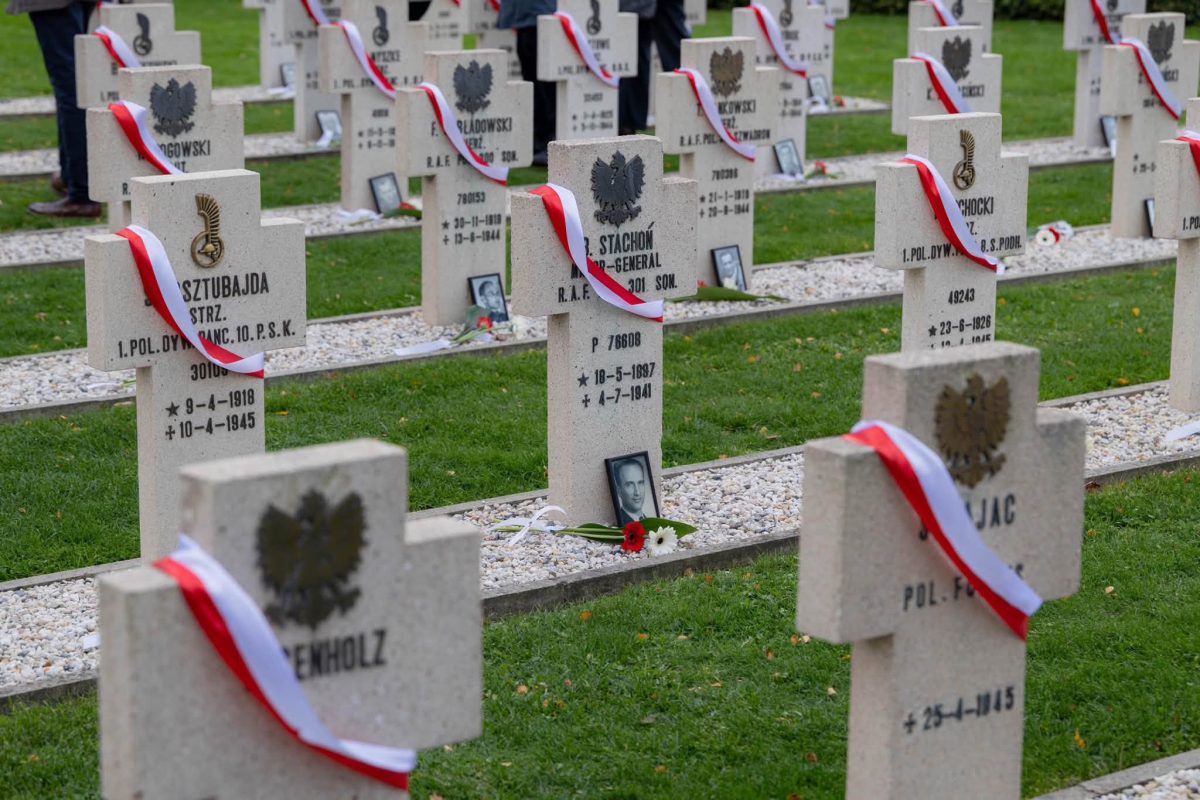
photo: Tomasz Paczos / Chancellery of the Senate
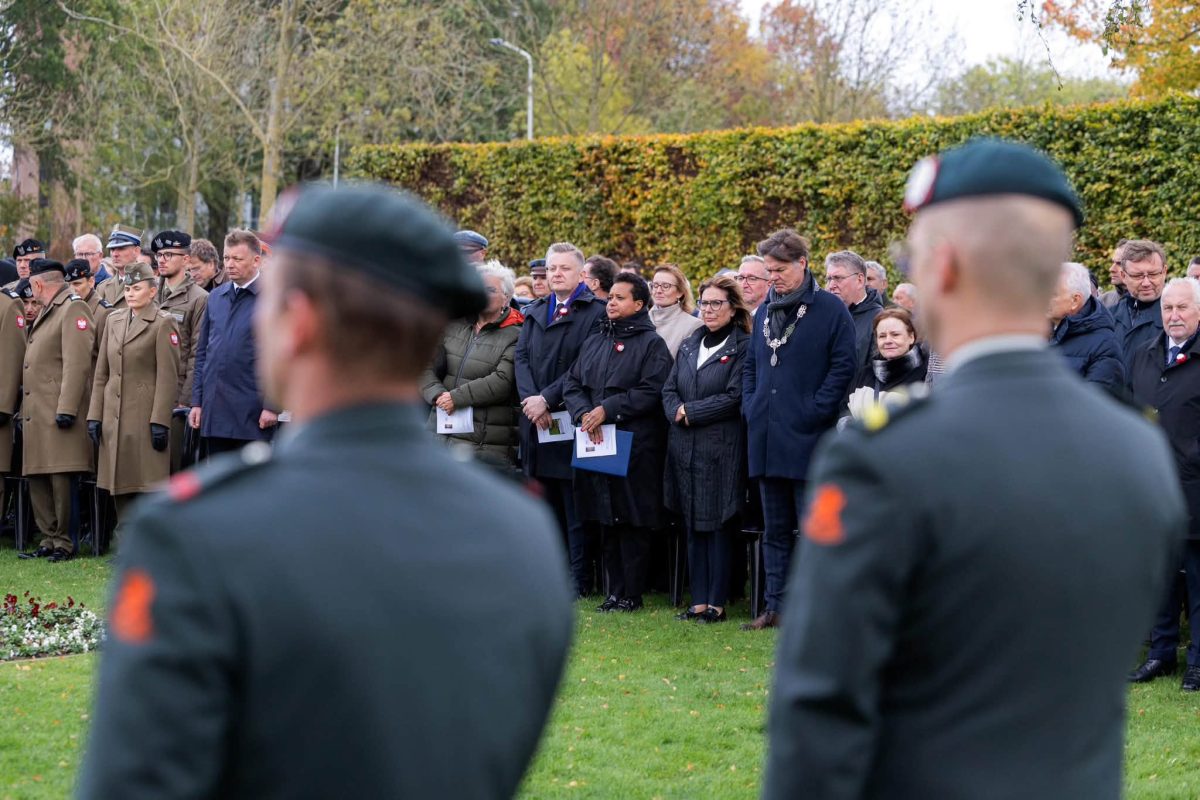
photo: Tomasz Paczos / Chancellery of the Senate
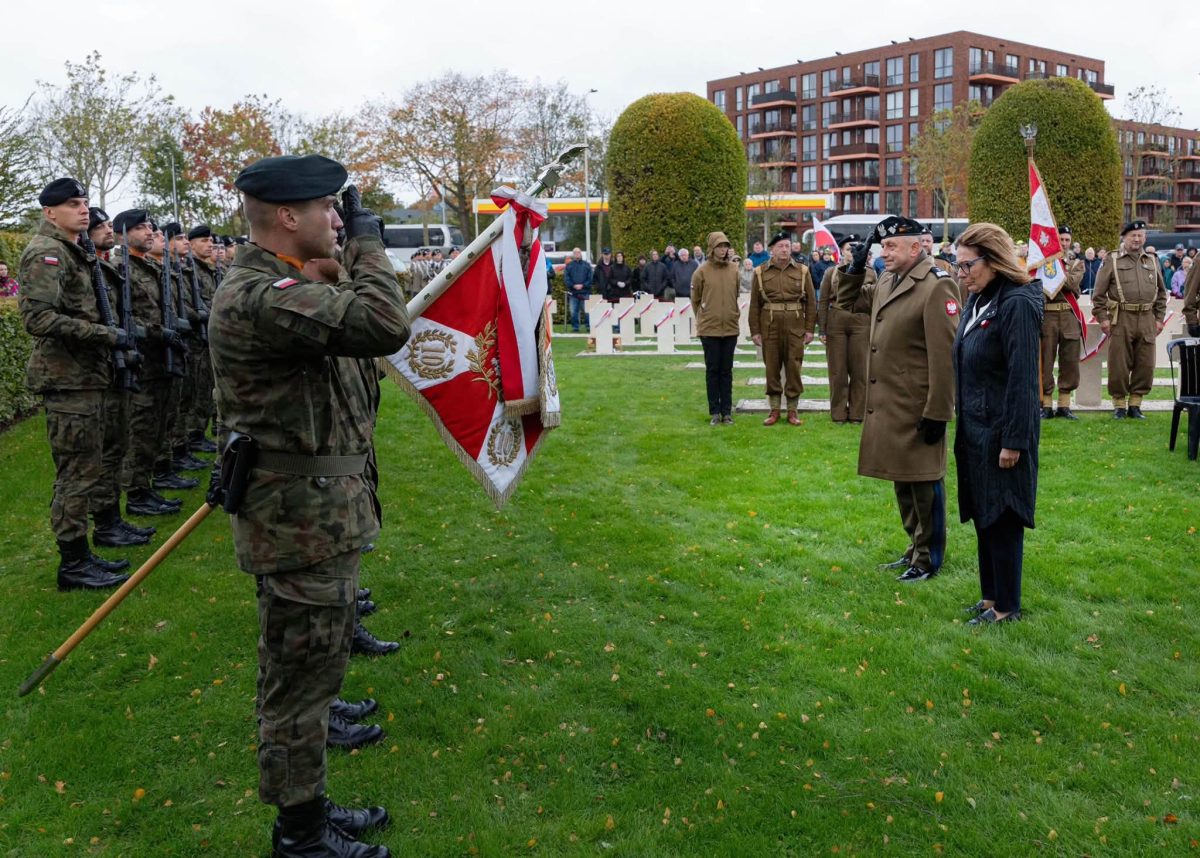
photo: Tomasz Paczos / Chancellery of the Senate
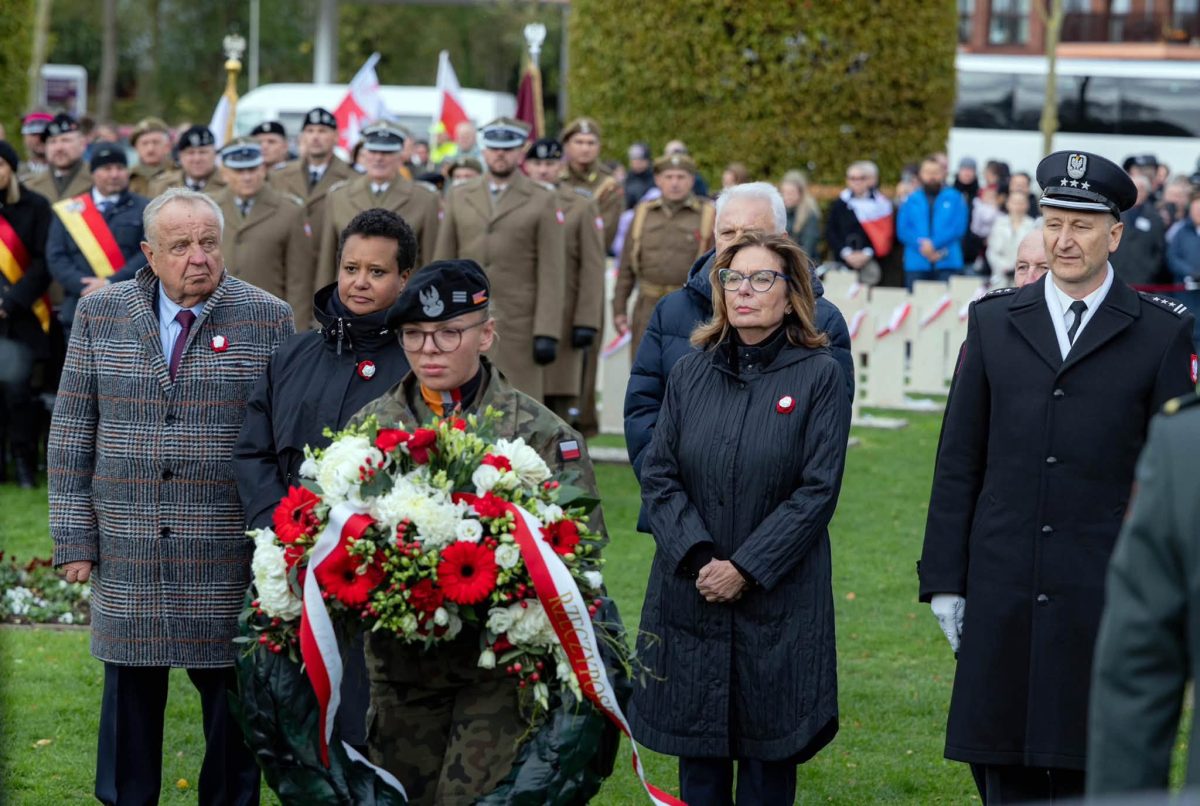
photo: Tomasz Paczos / Chancellery of the Senate
On 24 October in Breda and on 25 October at the Embassy of the Republic of Poland in The Hague, the Polish Senate delegation also met with members of the Polish diaspora, representatives of Polish diaspora organisations, media outlets and students and took part in a panel discussion. The Marshal introduced participants to the Senate’s work in support of the Polish diaspora, including its engagement with younger generations of Poles abroad, the development of Polish diaspora media, the promotion of Polish culture around the world, and the establishment of Polish diaspora structures. During the meetings with the Polish diaspora, Marshal of the Polish Senate Małgorzata Kidawa-Błońska presented Senate medals to members of the Polish community active in diaspora organisations.
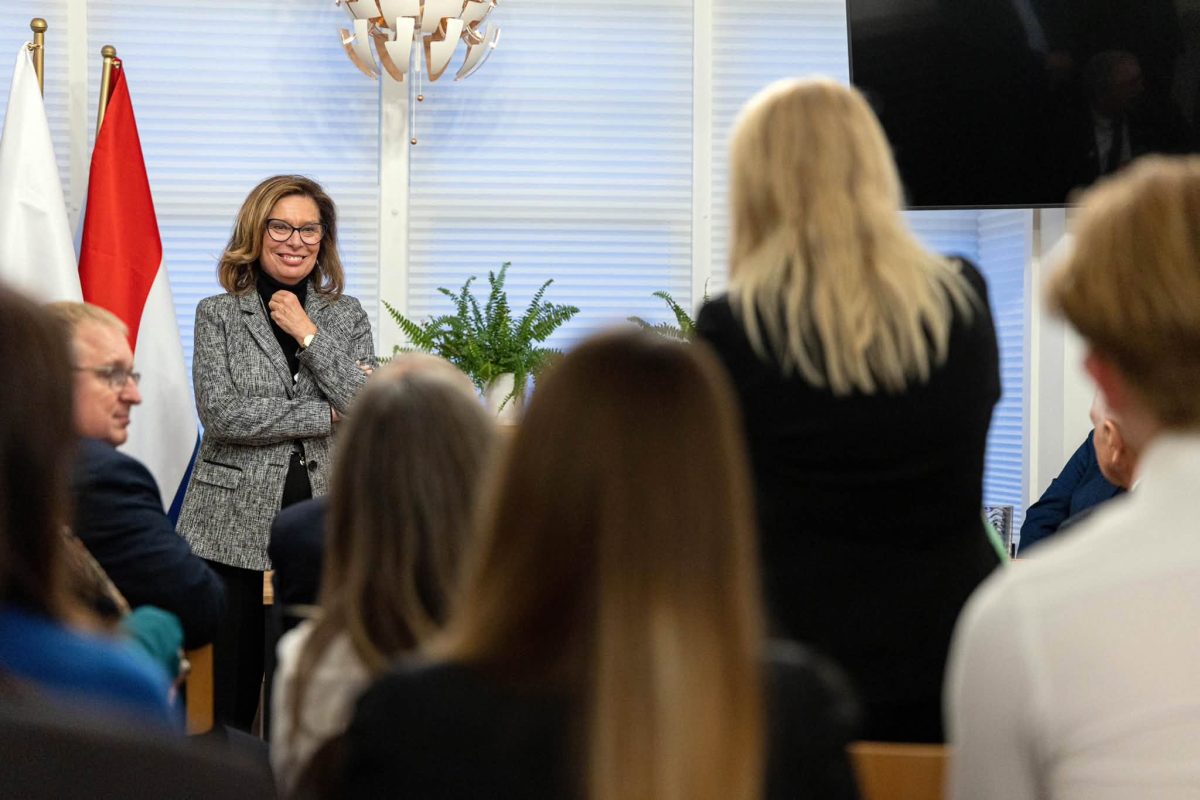
photo: Tomasz Paczos / Chancellery of the Senate
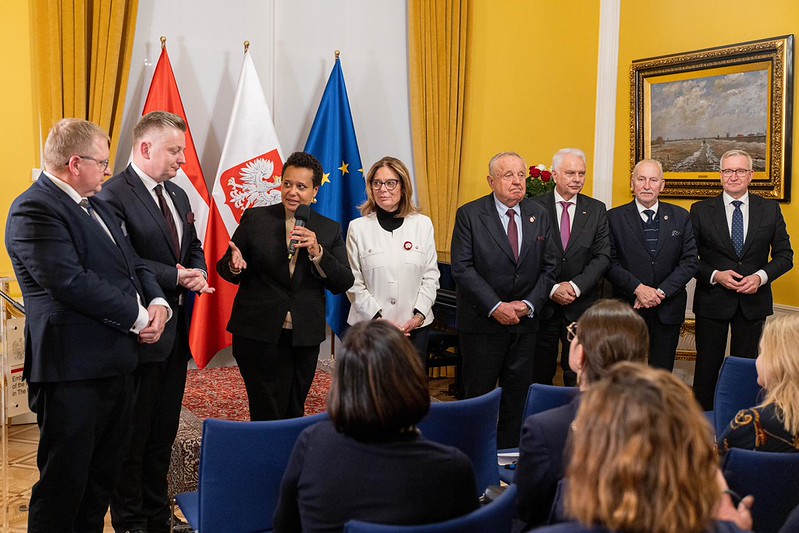
photo: Tomasz Paczos / Chancellery of the Senate
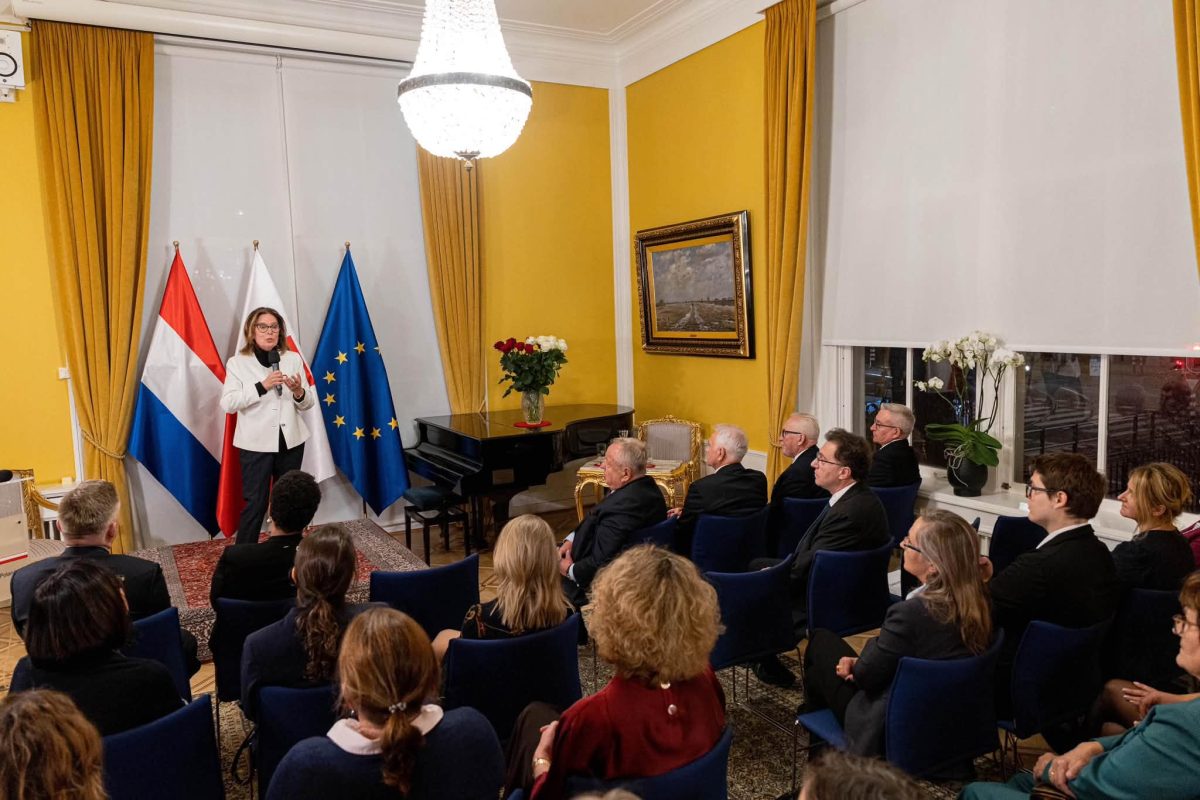
photo: Tomasz Paczos / Chancellery of the Senate
Representatives of the Polish diaspora spoke about their work in the fields of media, education, entrepreneurship and support for people in crisis.
“You show that the Polish community here is very committed. We are here to thank you for what you do, but also to invite you to continue working with the Senate. Together, we can help sustain and deepen what has been built over the past thirty years: Poland’s image as an ambitious, continuously developing country and a trusted partner,” said the Marshal of the Senate.
Photos: Tomasz Paczos / Chancellery of the Senate
Author: Beata Bruggeman-Sękowska is an award-winning Dutch-Polish journalist and author. She is the chief editor of the Central and Eastern Europe Center and vice-president president of the European Institute on Communist Oppression. Born in Warsaw, Poland and currently residing in the Netherlands, Beata has roots in Lviv, Ukraine and has Armenian heritage.
Read and watch more
More publications by Beata Bruggeman-Sękowska on the history and culture of Poland and Central and Eastern Europe in Dutch media and on our platform, including: