

35th anniversary of the independence of the Republic of Armenia

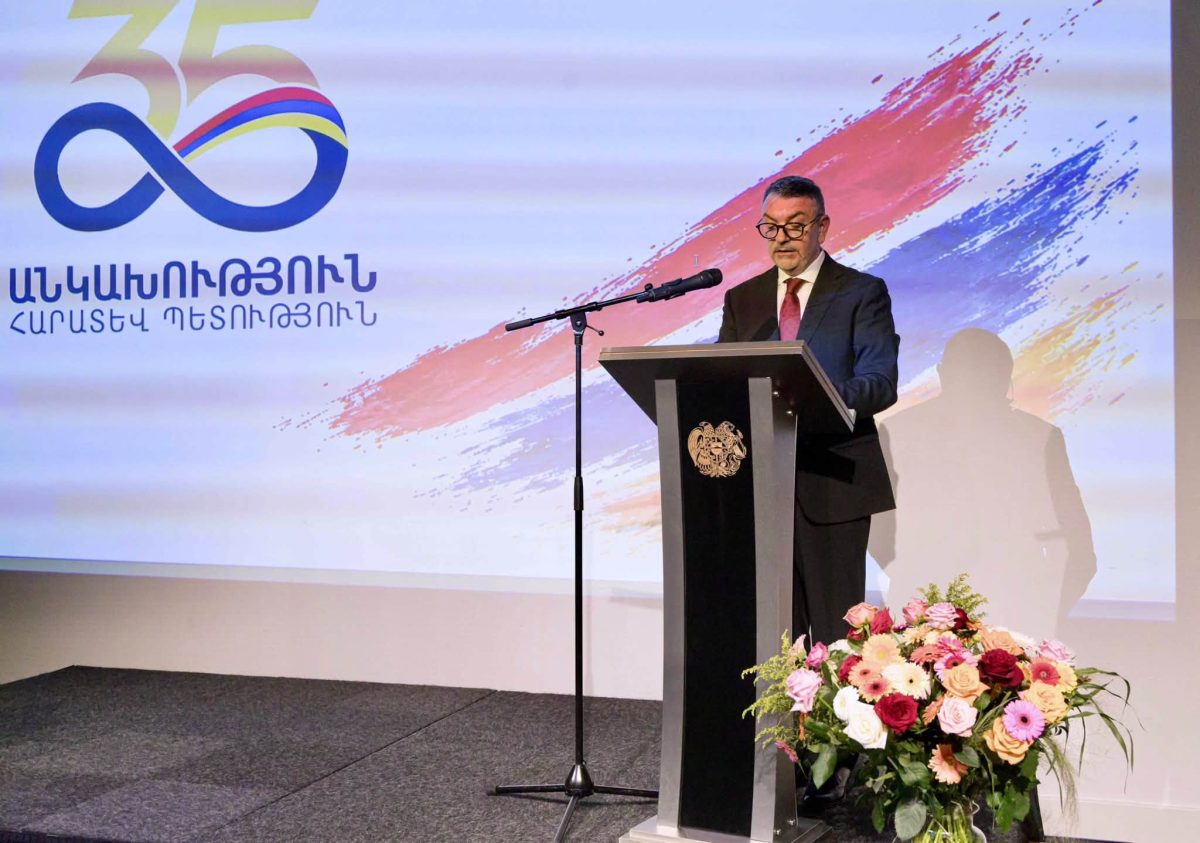
photo: © Embassy of the Republic of Armenia in the Netherlands
Beata Bruggeman-Sekowska
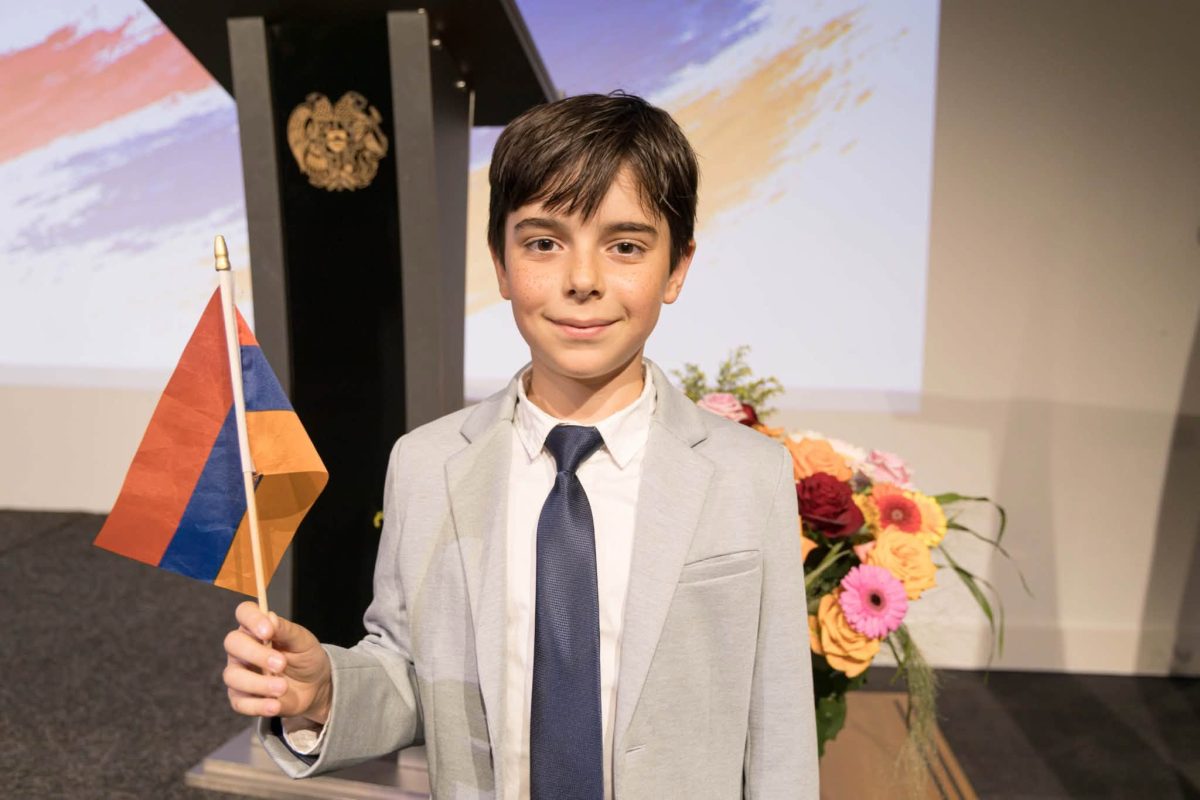
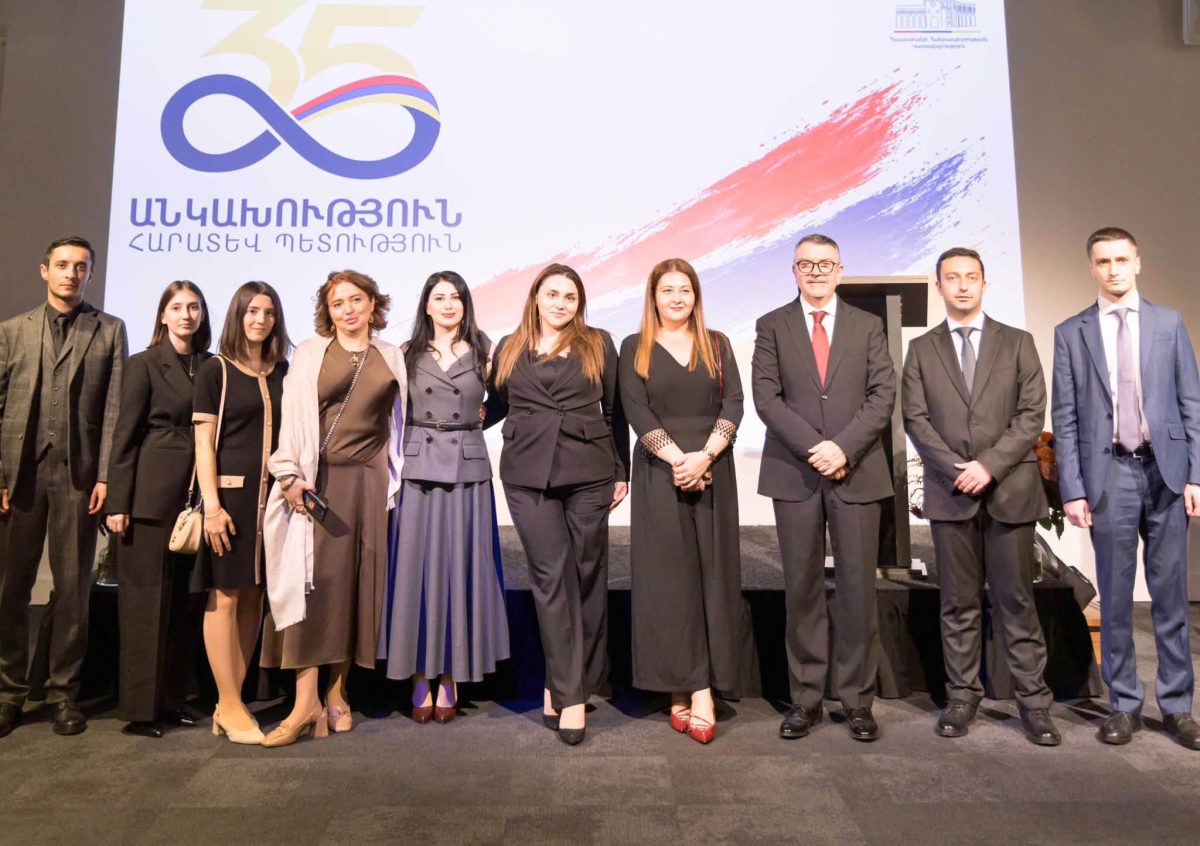
The Republic of Armenia marked the 35th anniversary of its independence with a commemorative reception held in The Hague, at the Leonardo Royal Hotel, bringing together representatives of the Dutch government and parliament, international organizations based in The Hague, the diplomatic corps, the business community and members of the Armenian community.
Welcome remarks were delivered by H.E. Mr. Viktor Biyagov, Ambassador of the Republic of Armenia to the Netherlands and Joanneke Balfoort, Director for Europe at the Ministry of Foreign Affairs of the Netherlands.

© Embassy of the Republic of Armenia in the Netherlands
© Embassy of the Republic of Armenia in the Netherlands
© Embassy of the Republic of Armenia in the Netherlands
The evening featured a performance by the Armenian-Dutch “Black Swan” Quintet, which presented a selection of Armenian national compositions and contributed to the festive atmosphere.
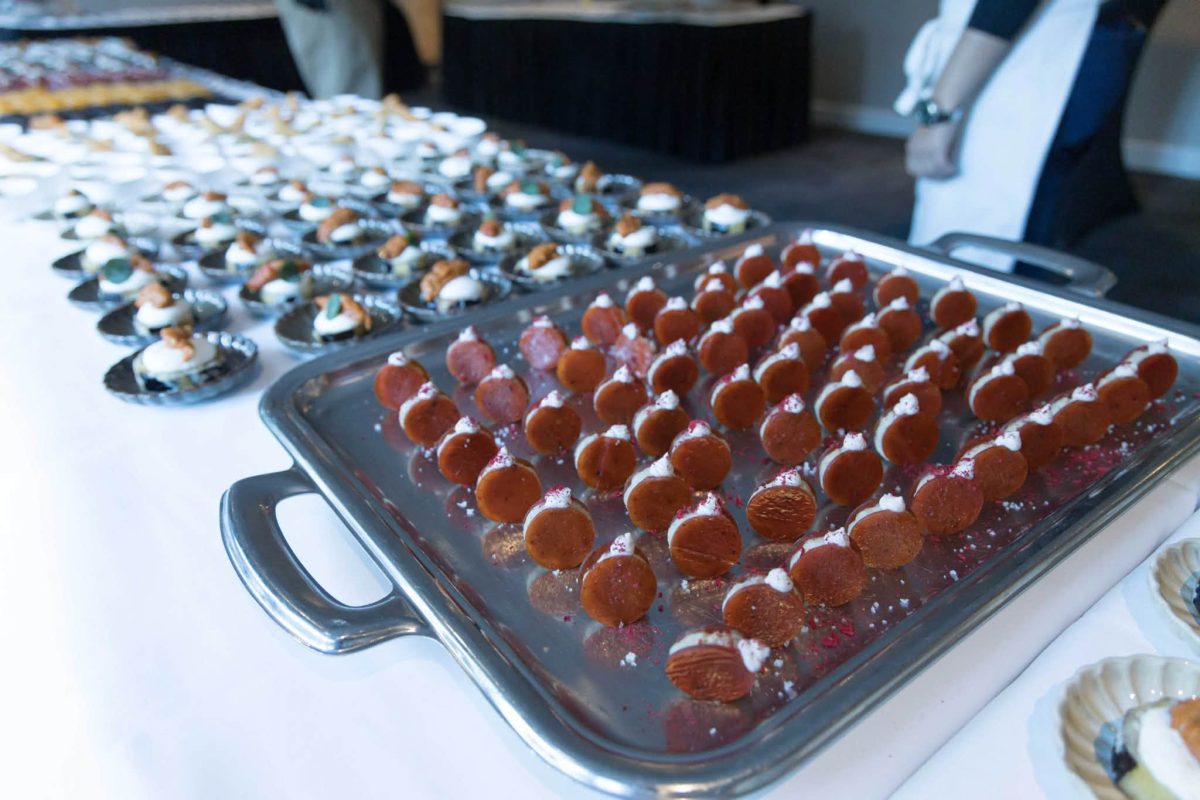
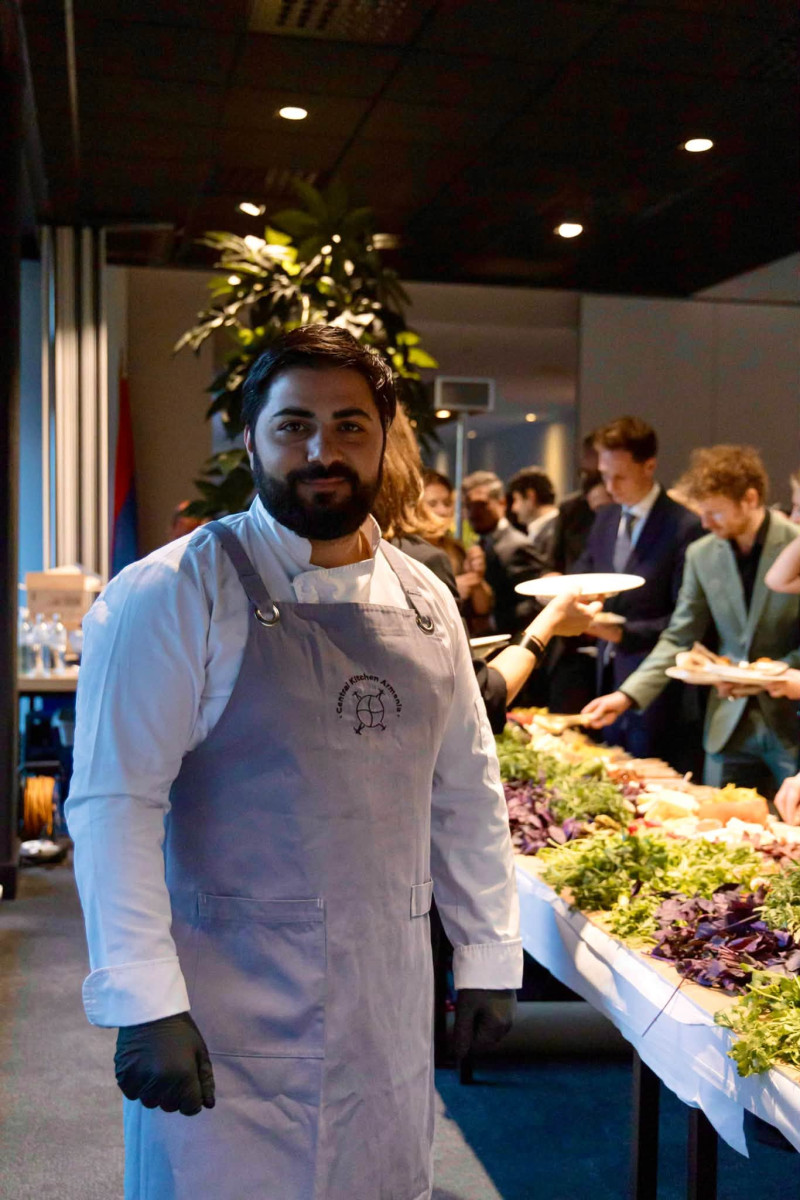
Guests also had the opportunity to experience the flavors of Armenian cuisine. Chefs invited from Armenia prepared a selection of traditional Armenian dishes, offering guests an introduction to Armenia’s rich culinary heritage.

© Embassy of the Republic of Armenia in the Netherlands
© Embassy of the Republic of Armenia in the Netherlands
© Embassy of the Republic of Armenia in the Netherlands

From Mr. Aloys Bruggeman RE RA, honorary consul of the Republic of Lithuania, Polycarpus Augin Aydın the Metropolitan and Patriarchal Vicar for the Archdiocese of the Netherlands of the Syriac Orthodox Church, Mr. Levon Sarkis president of the Armenian Foundation Ani, Mr. Armand Karaoglan Armenian Foundation Ani, Beata Bruggeman-Sekowska chief editor Central and Eastern Europe Center.

From left Mr Aloys Putmans, Head of Development & Partnerships at the office of the Honorary Consulate of the Republic of Armenia in the Netherlands, Mr. Levon Sarkis president of the Armenian Foundation Ani, Antonius van de Kerkhof, honorary consul of the Republic of Armenia in the Netherlands, Mr. Aloys Bruggeman RE RA, honorary consul of the Republic of Lithuania
The celebrations in the Netherlands began on September 21 in Maastricht, where the bells of the Basilica of St. Servatius rang out with the Armenian national anthem at 10:00, 12:00 and 14:00, marking Armenia’s Independence Day in a distinctive and symbolic way.
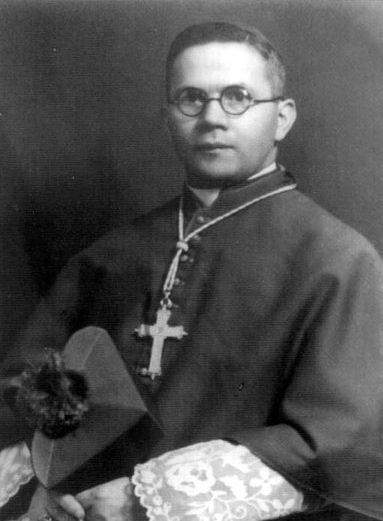
Saint Servatius, who was born in Armenia in the fourth century, is traditionally recognized as the first bishop of Maastricht and is associated with the introduction of Christianity to the Netherlands. He died in Maastricht around 384 and the Basilica of St. Servatius was built over his grave. His feast day is celebrated on May 13 and the traditional Saint Servatius procession takes place in Maastricht on the first Sunday following that date. The Armenian community in Maastricht also participates in this longstanding tradition.
In 2016, the Armenian community in Maastricht donated a monument to the city in honor of Saint Servatius. Standing 2.5 meters high, the monument is a traditional Armenian khachkar, or cross-stone and is located beside the Basilica of St. Servatius, creating a visible connection between Armenian heritage and the history of Maastricht.
The ties between the Armenian and Dutch communities extend far beyond contemporary community life.This relationship dates back to the 13th century, when trade brought Armenian merchants and artisans to Dutch cities such as Amsterdam. In 1713, the city of Amsterdam permitted the Armenian community to build its own church. Earlier, in 1668, the first Armenian Bible was printed in Amsterdam, highlighting the longstanding cultural and historical links between Armenia and the Netherlands.
Maastricht has also become an important center for Armenian religious and cultural life in the region. On January 26, 2013, the first Armenian church in Limburg was opened and consecrated in Maastricht. The church, known as “Surp Karapet” (Holy Forerunner), serves as a connecting point between the Armenian community and the wider region. The Armenian community has emphasized its strong connection to Limburg and its desire to contribute to and integrate within local society. The church services are open to the public, welcoming people from all backgrounds.
The city also contains several other significant reminders of Armenian history. The Dominican Church in Maastricht houses part of what is described as the oldest fresco in the Netherlands by Thomas Aquinas, depicting 10,000 Armenian martyrs. In addition, a cross from the Surb Giragos Church in Diyarbakir, along with various other Armenian objects, can be found in the treasury of the Basilica of St. Servatius.
The organized Armenian community in Maastricht began with small gatherings in 1993, held at the Maris Stella building in the Witte Vrouwenveld district. As increasing numbers of Armenians settled in Maastricht and the surrounding area, the need for a permanent structure to support community meetings and activities grew. The Armenian Ani Foundation was officially established on November 25, 1999.
Today, the Armenian Ani Foundation is one of the largest Armenian cultural institutions in the wider region, connecting communities across Dutch Limburg, Belgian Limburg, Liège and Aachen. Through its activities, the foundation has helped strengthen awareness of Armenian heritage and culture in the region. Its efforts have also contributed to Maastricht becoming known among Armenians in Armenia and around the world, while the grave of Saint Servatius has become an important place of pilgrimage for Armenian visitors.
A Historic Milestone
On September 21, 1991, the people of Armenia voted in a referendum on independence from the Soviet Union. The referendum followed the adoption, on August 23, 1990, of the Declaration of State Sovereignty of Armenia by the Armenian Supreme Council.
In the September 1991 referendum, 94.99% of participating voters supported independence, paving the way for the establishment of the modern independent Republic of Armenia. In November 1991, Levon Ter-Petrosyan was elected the country’s first president.
Armenia’s independence also has deeper historical roots. On May 28, 1918, the Armenian National Council declared the independence of the First Republic of Armenia. That republic existed until 1920, when Armenia was incorporated into the Soviet Union.
The 35th anniversary therefore represents not only a celebration of the restoration of Armenian statehood in 1991, but also an opportunity to reflect on Armenia’s longer history of independence, its cultural heritage, and its longstanding connections with the Netherlands.
Our Central and Eastern Europe Center extends its congratulations to the Republic of Armenia on this important anniversary and conveys its best wishes to H.E. Mr. Viktor Biyagov, Ambassador of the Republic of Armenia to the Netherlands, as well as to the Armenian people and the Armenian community in the Netherlands.

Author: Beata Bruggeman-Sękowska is an award-winning Dutch-Polish journalist and author. She is the chief editor of the Central and Eastern Europe Center and president of the European Institute on Communist Oppression. Born in Warsaw, Poland and currently residing in the Netherlands, Beata has roots in Lviv, Ukraine and has Armenian heritage.
Read also: