

Honoring a Shared Legacy: Armenian Apostolic Surp Karapet Church Celebrates Divine Liturgy for Saint Servatius in Maastricht


By Beata Bruggeman-Sekowska
On Saturday, June 14, 2025, the Armenian Apostolic Surp Karapet Church in Maastricht held a profound and symbolic Divine Liturgy at the Basilica of Saint Servatius in honor of Saint Servatius, the first bishop of the Netherlands and a saint of Armenian origin. The liturgy was a central contribution of the Armenian community to the 56th Heiligdomsvaart, the centuries-old Catholic pilgrimage event held every seven years in Maastricht.

© Beata Bruggeman-Sekowska
A Spiritual Homecoming
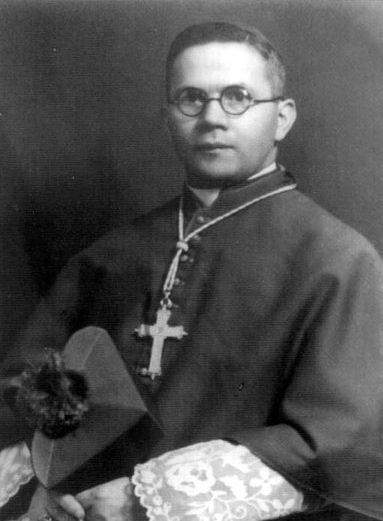
In the sacred space of the Basilica of Saint Servatius, where the saint himself is entombed, the Armenian Divine Liturgy was celebrated in the ancient rite of the Armenian Church. While His Eminence Archbishop Khajag Barsamian, the pontifical legate of Western Europe and representative of the Armenian Apostolic Church to the Holy See was unable to attend due to illness, the service was reverently presided over by Der Serovpe Alanjian.

© Beata Bruggeman-Sekowska
This solemn occasion emphasized Saint Servatius as a bridge between East and West, reflecting on his Armenian heritage and pivotal role in spreading Christianity to the Low Countries in the fourth century. As Der Serovpe beautifully stated: “By honoring St. Servatius in Maastricht, we not only remember a revered saint but celebrate the unity of faith that transcends nations and cultures.”
Read full speech here:
A Message of Unity
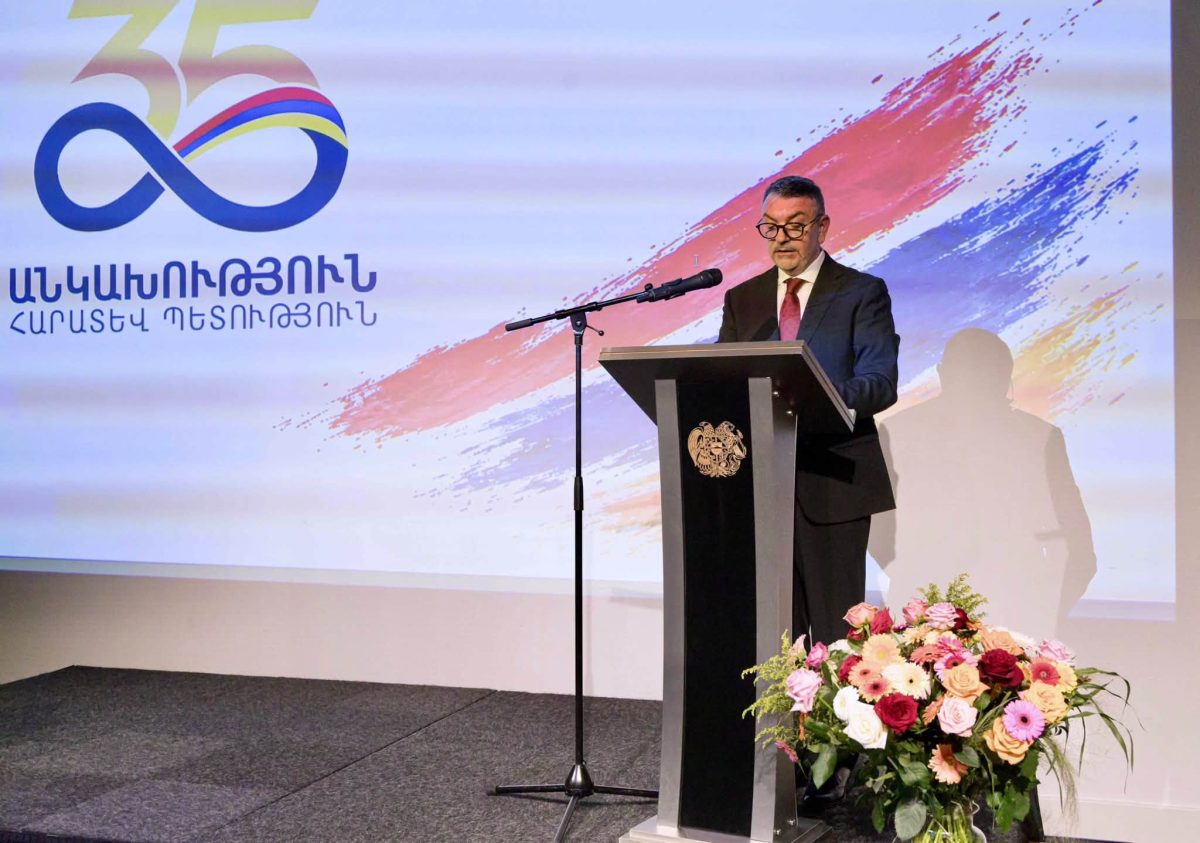
The ceremony was graced by the presence of Dr. C.F.M. (Ron) van den Hout, who underlined the historical truth that Armenia was the first nation to adopt Christianity as a state religion in 301 AD. He also reflected on the importance of the relics of Saint Servatius preserved in Maastricht, reminding all of the deep historical and spiritual significance of the basilica.

© Beata Bruggeman-Sekowska
Also in attendance was H.E. Viktor Biyagov, Ambassador of Armenia to the Netherlands, alongside members of the Armenian Ani Foundation, including Mr. Levon Sarkis president of the Armenian Apostolic Surp Karapet Church and his son Vasken Sarkis, which played a crucial role in organizing the event.
The liturgy featured traditional Armenian liturgical music and an exceptional performance by opera singer Tatevik Ashuryan, whose voice uplifted the spiritual atmosphere of the service.

© Beata Bruggeman-Sekowska
A Cultural and Historical Bridge
The Armenian community’s participation in Heiligdomsvaart 2025 marks a continuation of a centuries-old dialogue between the Armenian and Dutch peoples. This relationship dates back to the 13th century, when trade brought Armenian merchants and artisans to Dutch cities such as Amsterdam. In 1713, the city of Amsterdam even permitted the Armenian community to build their own church. Notably, the first Armenian Bible was printed in Amsterdam in 1668.
Today, the Armenian presence in Maastricht is symbolized by Surp Karapet Church, consecrated in 2013, and the Armenian khachkar monument donated to the city in 2016. Located beside the Basilica of Saint Servatius, the khachkar honors the saint’s Armenian roots and reflects the enduring connection between Armenia and Limburg.
The Ani Foundation, established in Maastricht in 1999 and named after the historic Armenian city of Ani (UNESCO World Heritage Site), has been pivotal in preserving and promoting Armenian heritage in the region. The foundation has helped transform Maastricht into a recognized place of pilgrimage for Armenians from around the world.
Heiligdomsvaart 2025: A Shared Pilgrimage
A day after the liturgy, the Armenian community joined the public festivities and the grand ommegang (procession), alongside Archbishop Khajag Barsamian and Ambassador Biyagov. Their presence reaffirmed the importance of ecumenical unity and the role of the Armenian Church in the broader Christian world.
The Central and Eastern Europe Center extends heartfelt thanks to the Ani Foundation and the Armenian community of Maastricht for their warm hospitality and dedication to preserving this remarkable legacy.
For more information and videos from the event, visit the Ani Foundation’s official channels.
images: © Beata Bruggeman-Sekowska