

Tajikistan: where civilizations meet

Beata Bruggeman-Sekowska
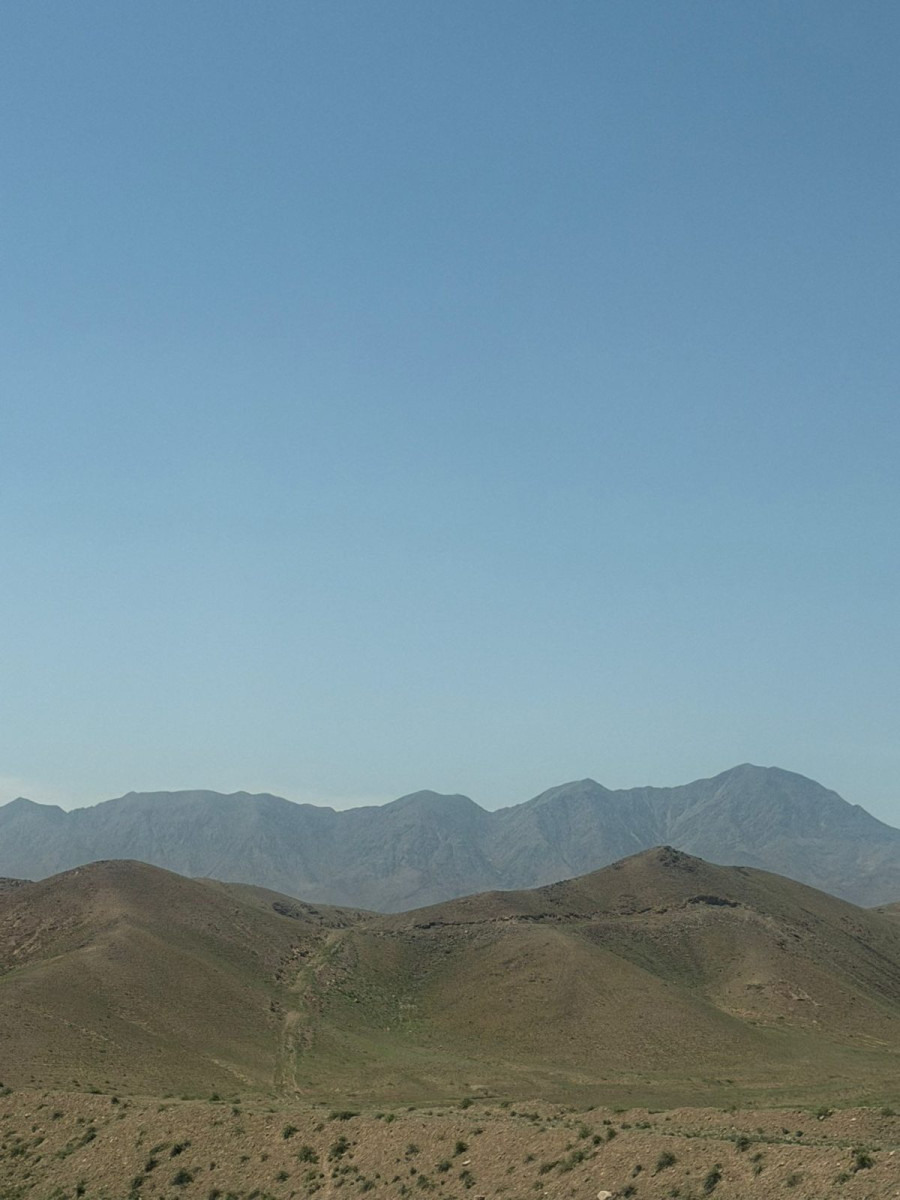
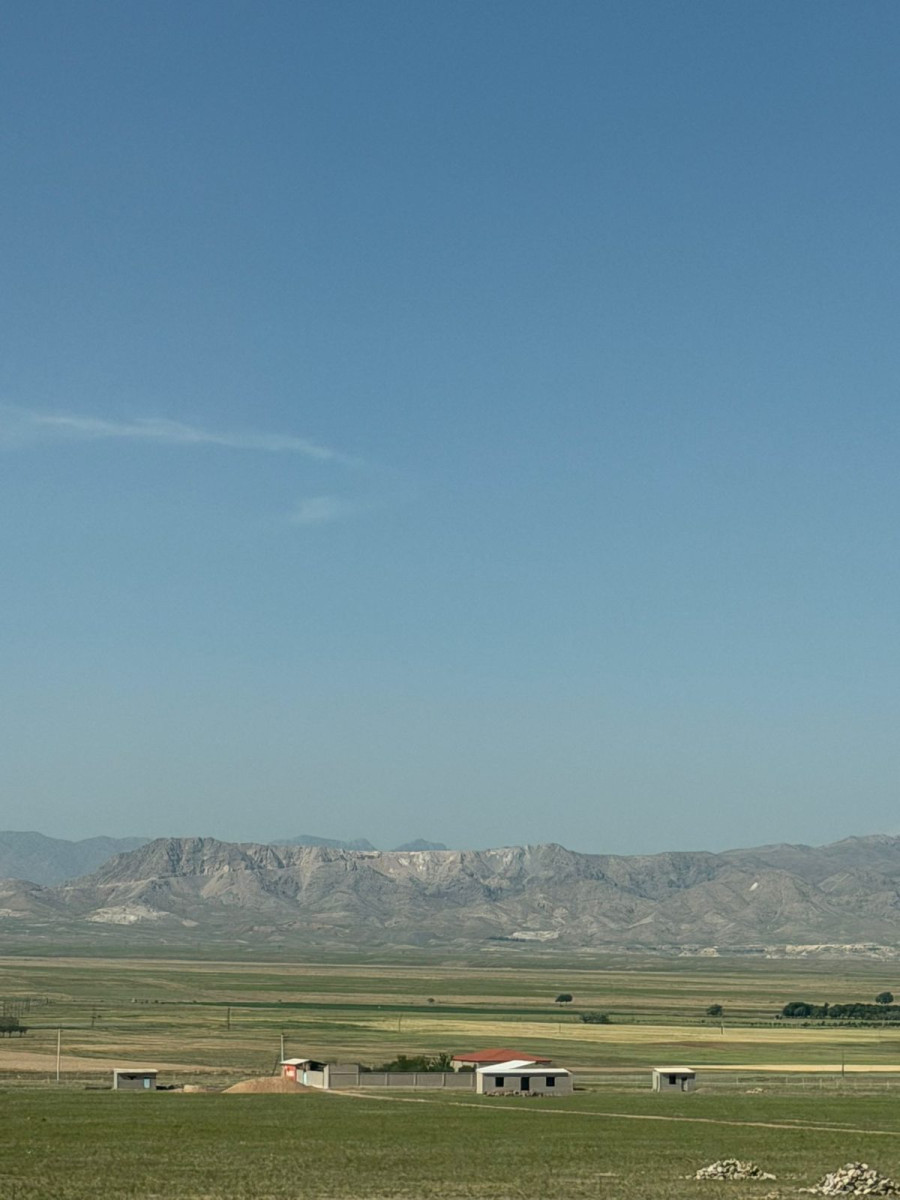
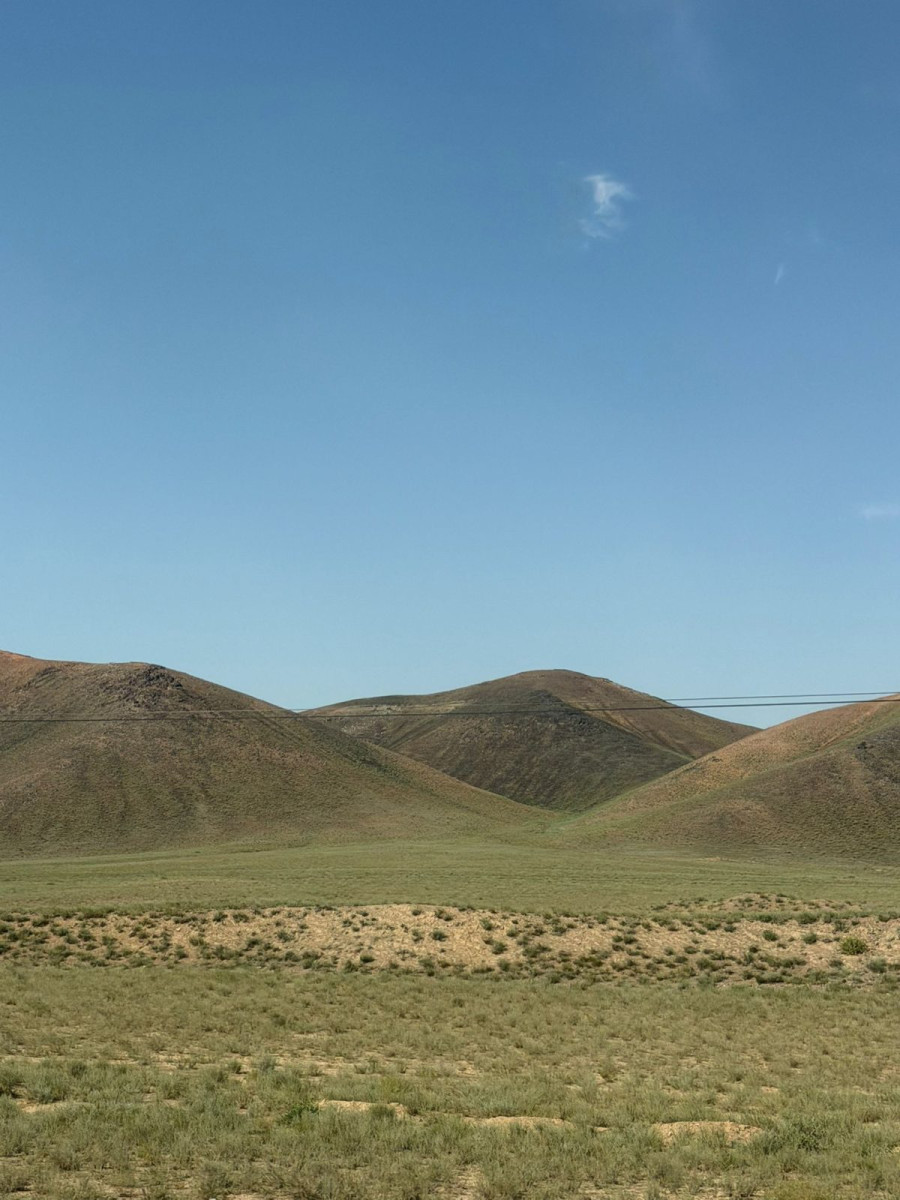
Tajikistan is a breathtakingly mountainous country in Central Asia, with 93% of its territory covered by mountains. It is a place where Persian culture, Islamic tradition, Silk Road heritage and Soviet history all overlap. One of its most important cities is Khujand, located in the fertile northern Fergana Valley along the Syr Darya River.
©Beata Bruggeman-Sękowska
©Beata Bruggeman-Sękowska
©Beata Bruggeman-Sękowska
©Beata Bruggeman-Sękowska
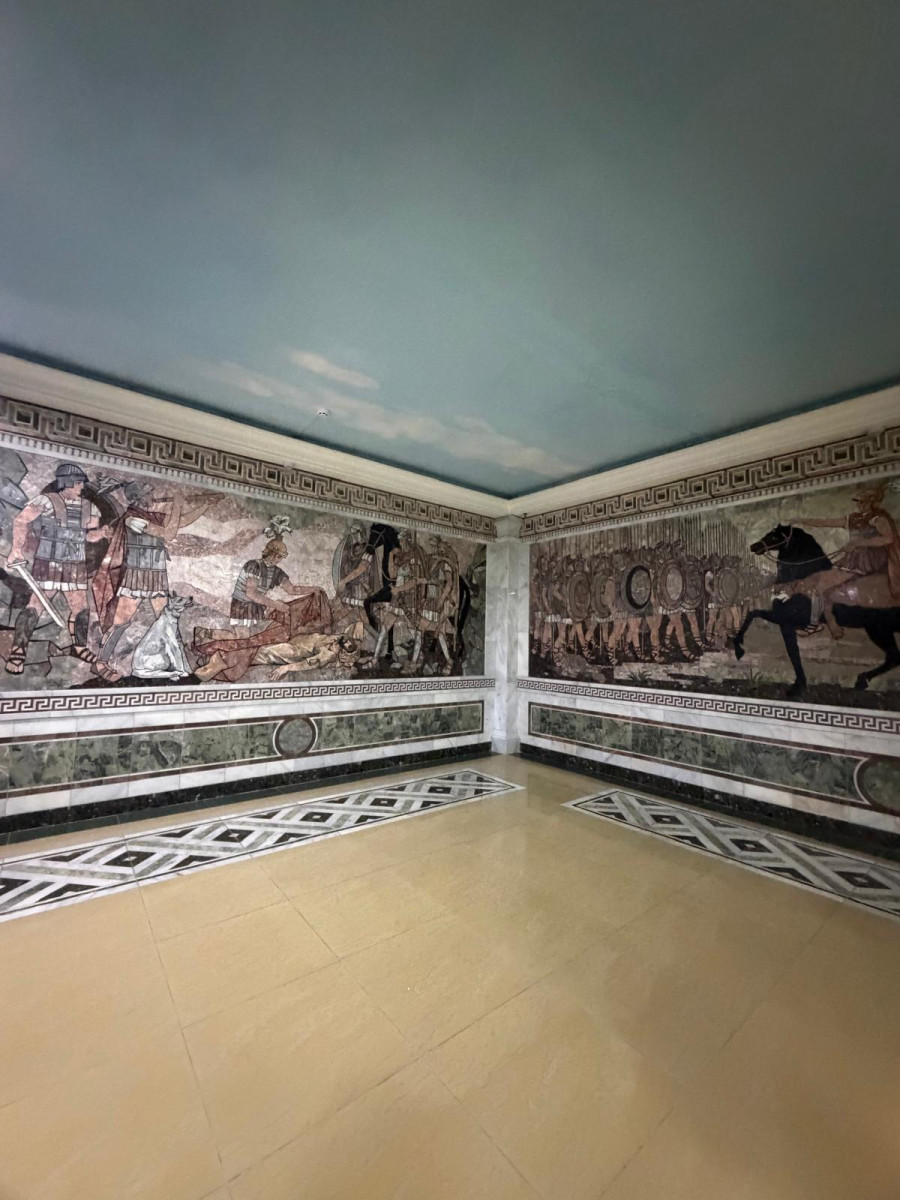
With more than 2,500 years of history, Khujand is one of the oldest continuously inhabited cities in Central Asia. In antiquity, it was known as Alexandria Eschate, founded by Alexander the Great. It later became a vital Silk Road hub, where caravans carried silk, spices, ceramics and ideas between China, Persia, and the Mediterranean world. Its strategic location made it a true crossroads of civilizations — and legend even links Alexander the Great’s marriage to Roxana, said to be from this region.
During the Soviet era, the city was renamed Leninabad. This period brought rapid industrialization, especially in cotton, textiles, and food production, as well as major investments in education and infrastructure. The city was reshaped with typical Soviet urban planning: wide avenues, apartment blocks and large public spaces a legacy that remains clearly visible in Khujand today.

©Beata Bruggeman-Sękowska

©Beata Bruggeman-Sękowska
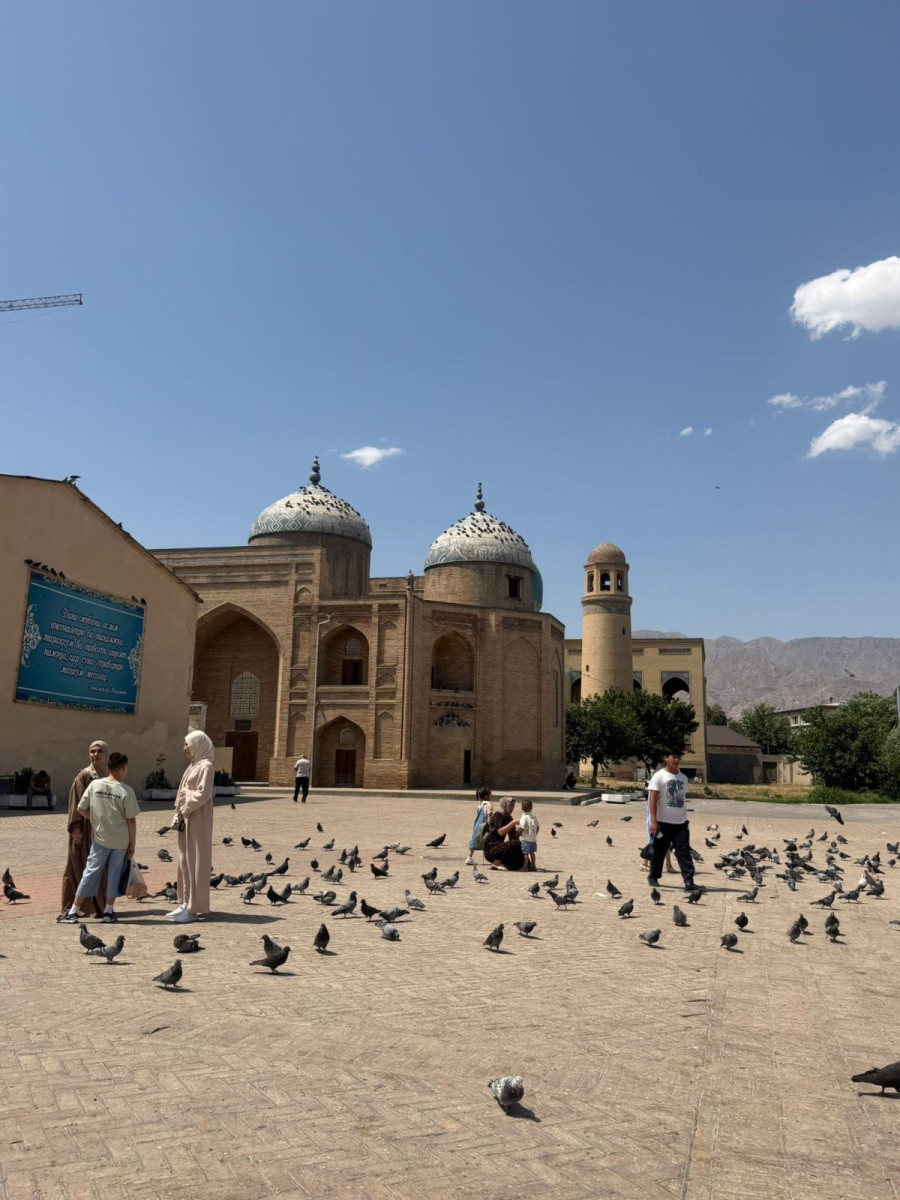
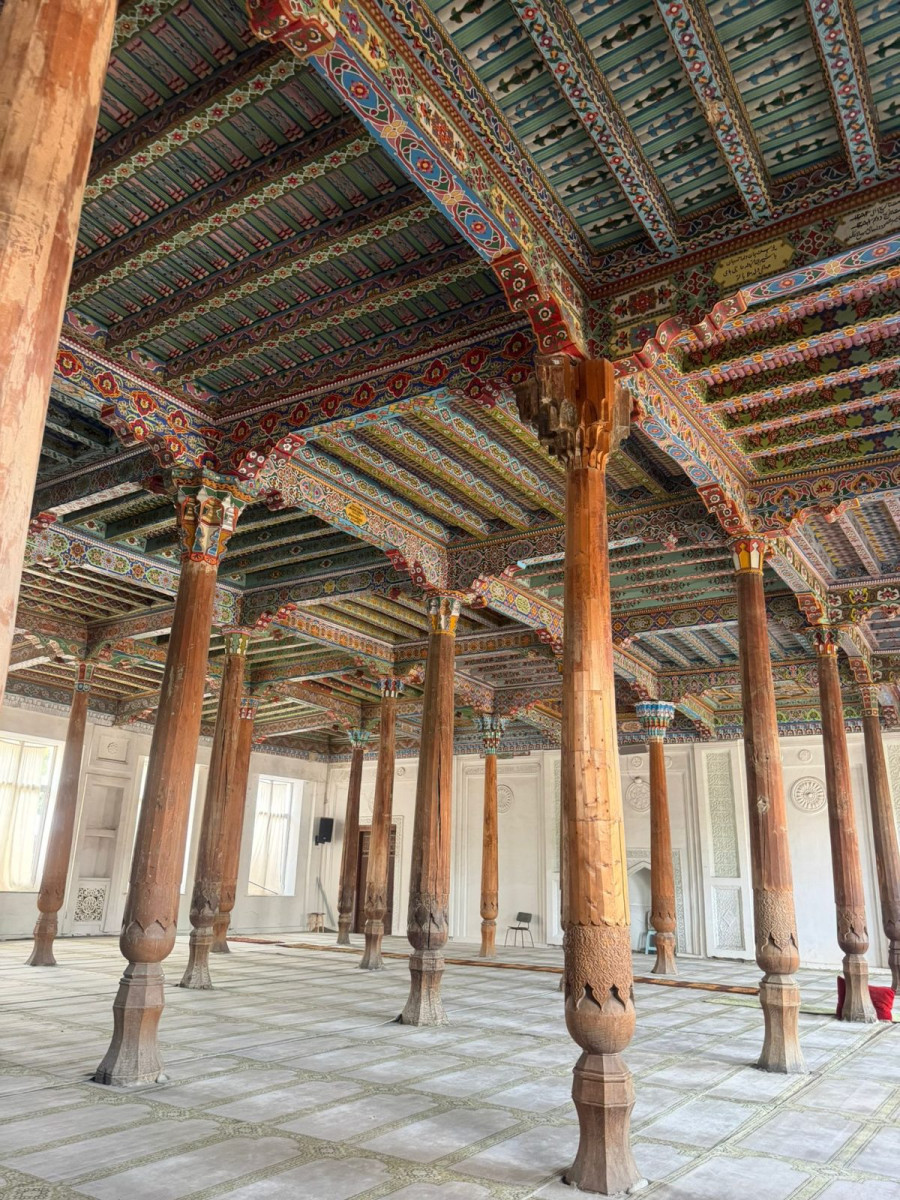
Khujand also preserves a rich Islamic heritage. One of its most important landmarks is the Sheikh Muslihiddin Mosque and Mausoleum, dedicated to a revered medieval Sufi scholar. It remains both a spiritual center and a place of pilgrimage, reflecting the deep religious and cultural identity of the city.
©Beata Bruggeman-Sękowska
©Beata Bruggeman-Sękowska
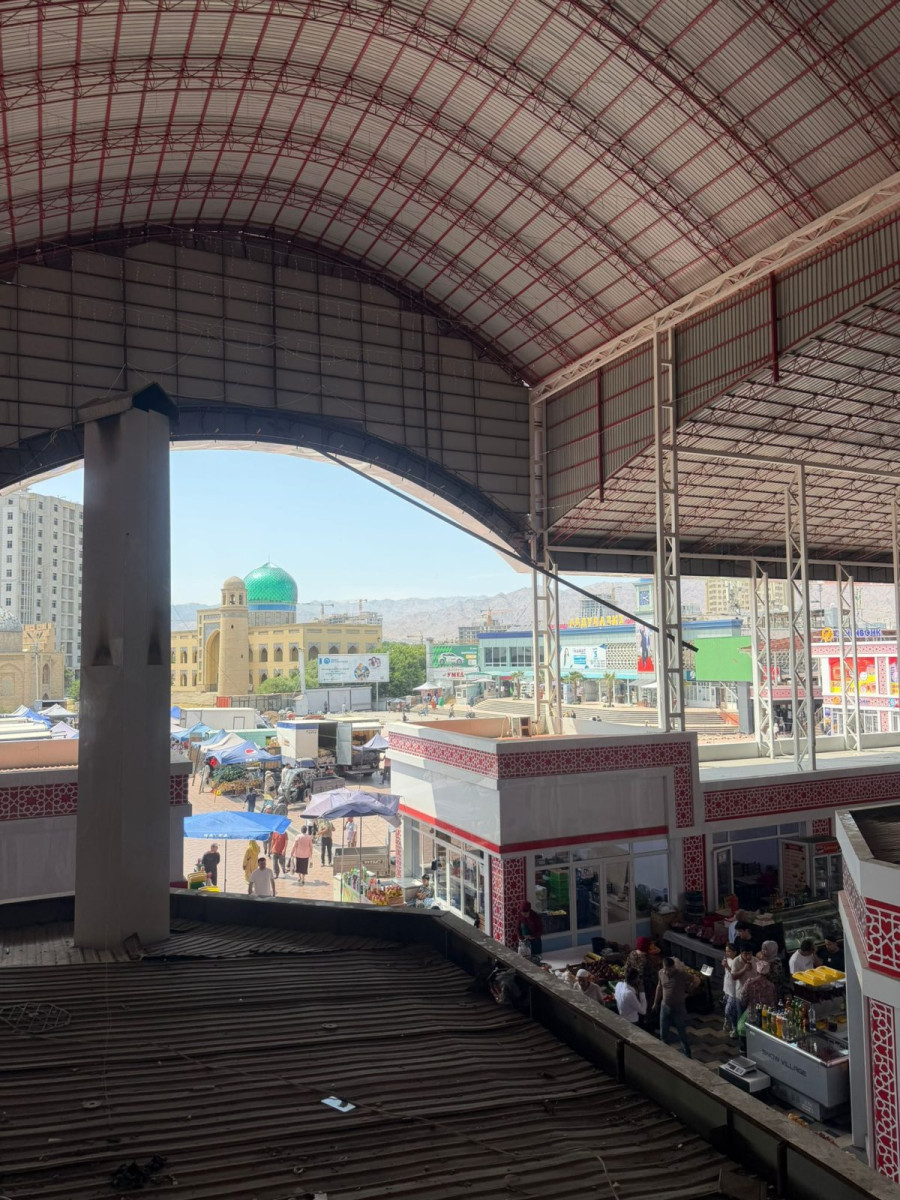
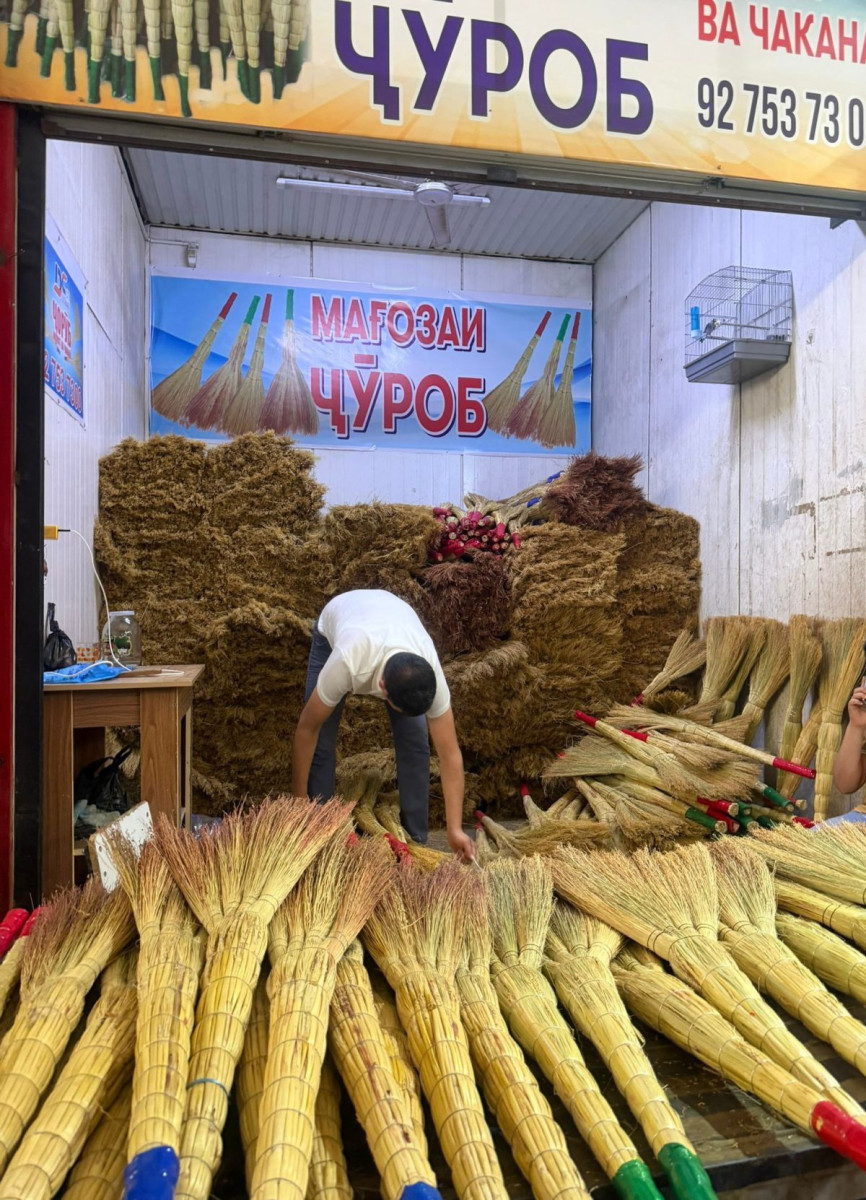
The Panjshanbe Bazaar is one of Khujand’s most vibrant and iconic places. One of the largest covered markets in Central Asia, its name means “Thursday Market.” Here, Silk Road traditions are still alive, with stalls filled with fruits, spices, textiles, dried goods, and everyday products. It remains a living symbol of Khujand’s role as a trading city connecting East and West.

©Beata Bruggeman-Sękowska

©Beata Bruggeman-Sękowska
©Beata Bruggeman-Sękowska

©Beata Bruggeman-Sękowska

©Beata Bruggeman-Sękowska
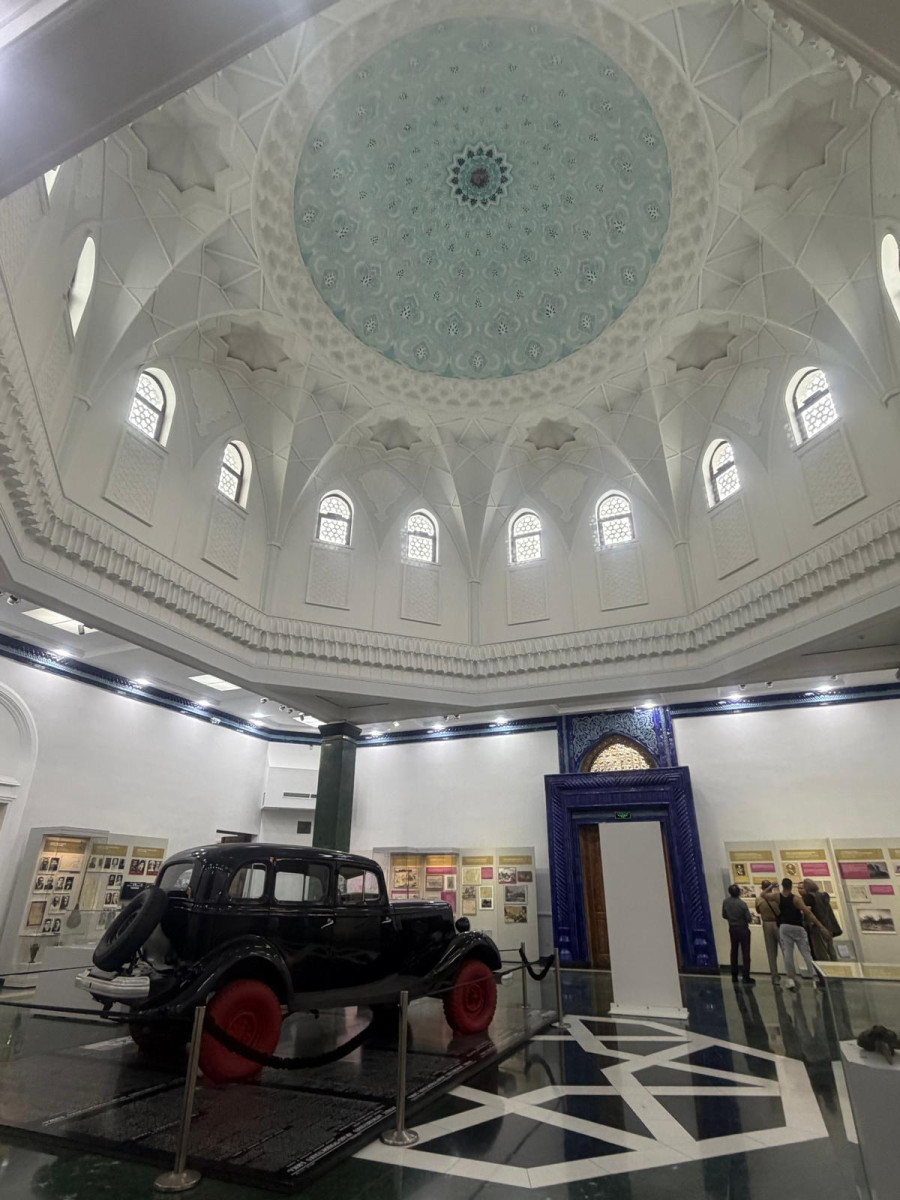
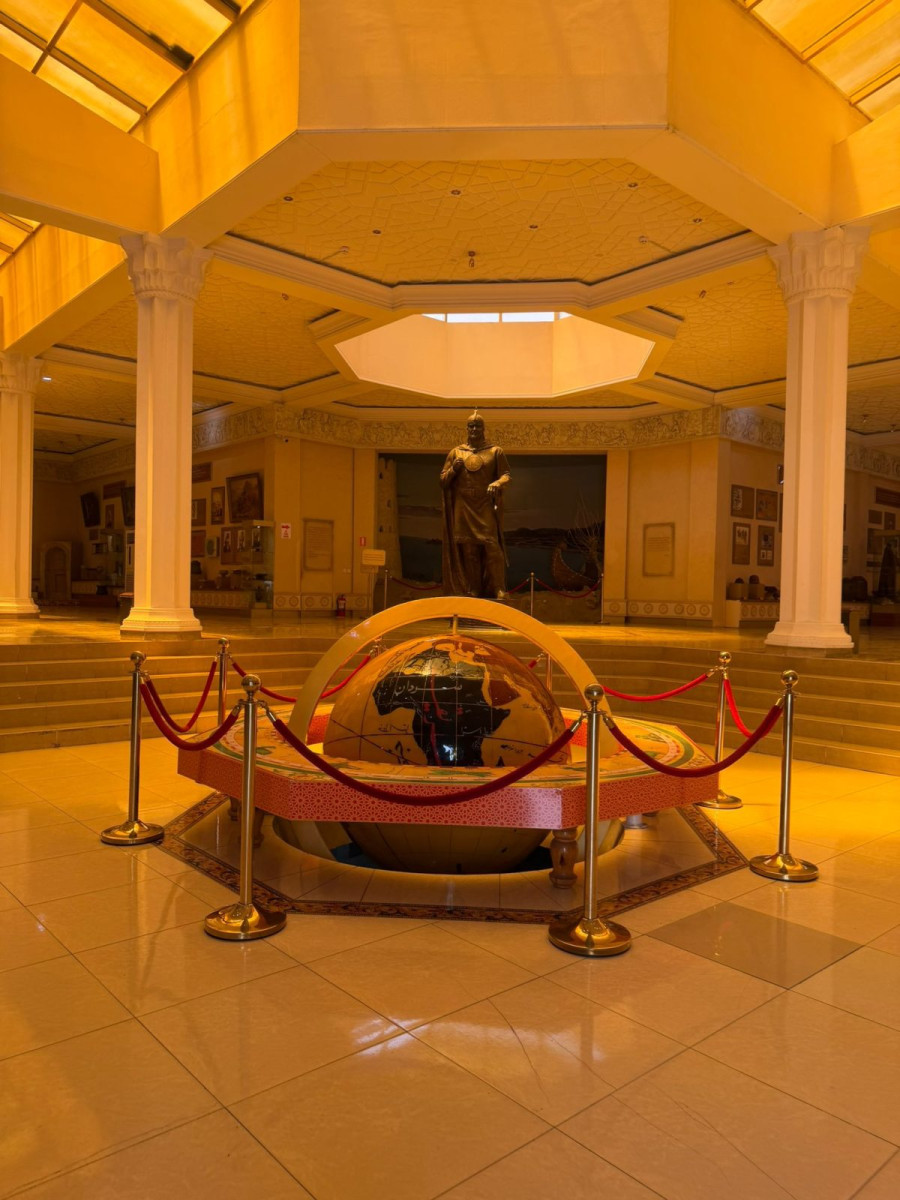
The Archaeological Museum of Khujand adds another layer to this rich history. Its collections span ancient Silk Road artifacts, Sogdian and pre-Islamic relics, Islamic cultural objects, and archaeological finds from the Syr Darya valley revealing a city that has been continuously inhabited and evolving for millennia.
©Beata Bruggeman-Sękowska
©Beata Bruggeman-Sękowska

©Beata Bruggeman-Sękowska

©Beata Bruggeman-Sękowska
The Mausoleum of Kamoli Khujandi is dedicated to one of the most celebrated Persian poets of the 14th century, who was born in Khujand. Located in the Kamoli Khujandi Park, the small mausoleum is distinguished by its beautiful blue dome and traditional architectural details. The site commemorates the poet’s important contribution to Persian literature and remains a peaceful cultural landmark in the city.

©Beata Bruggeman-Sękowska
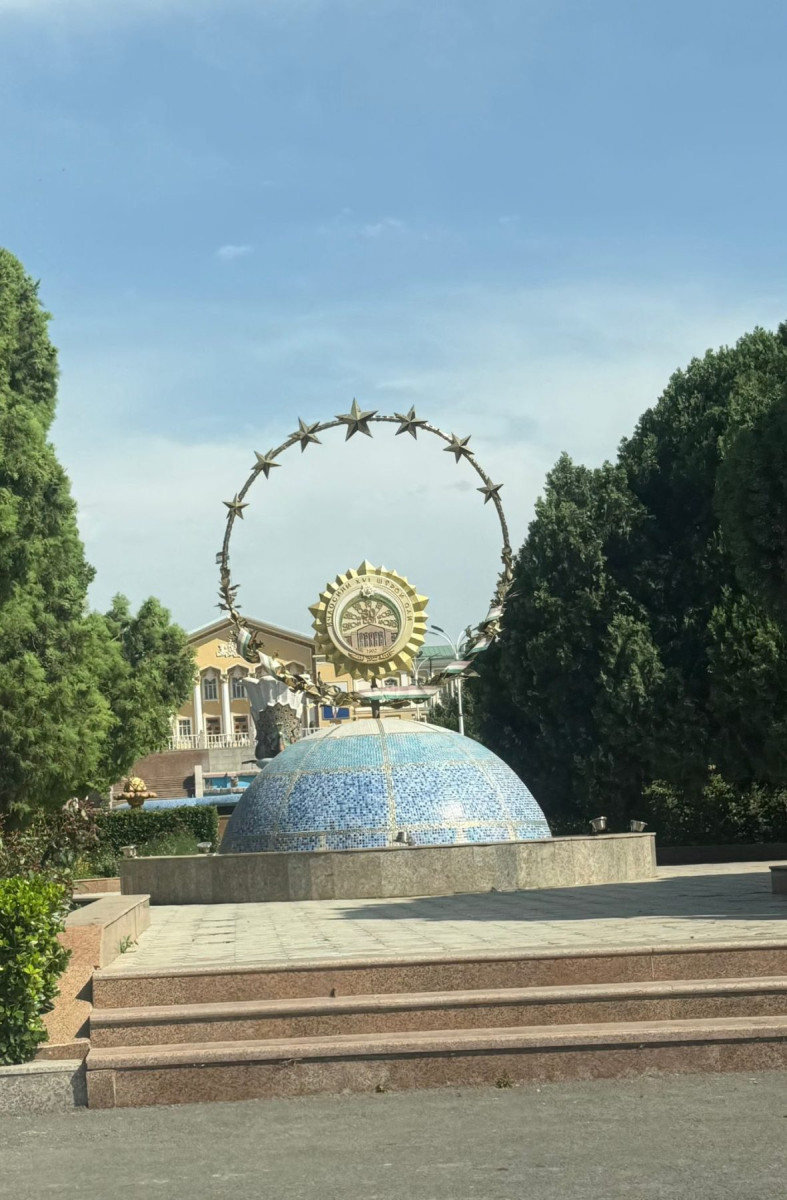
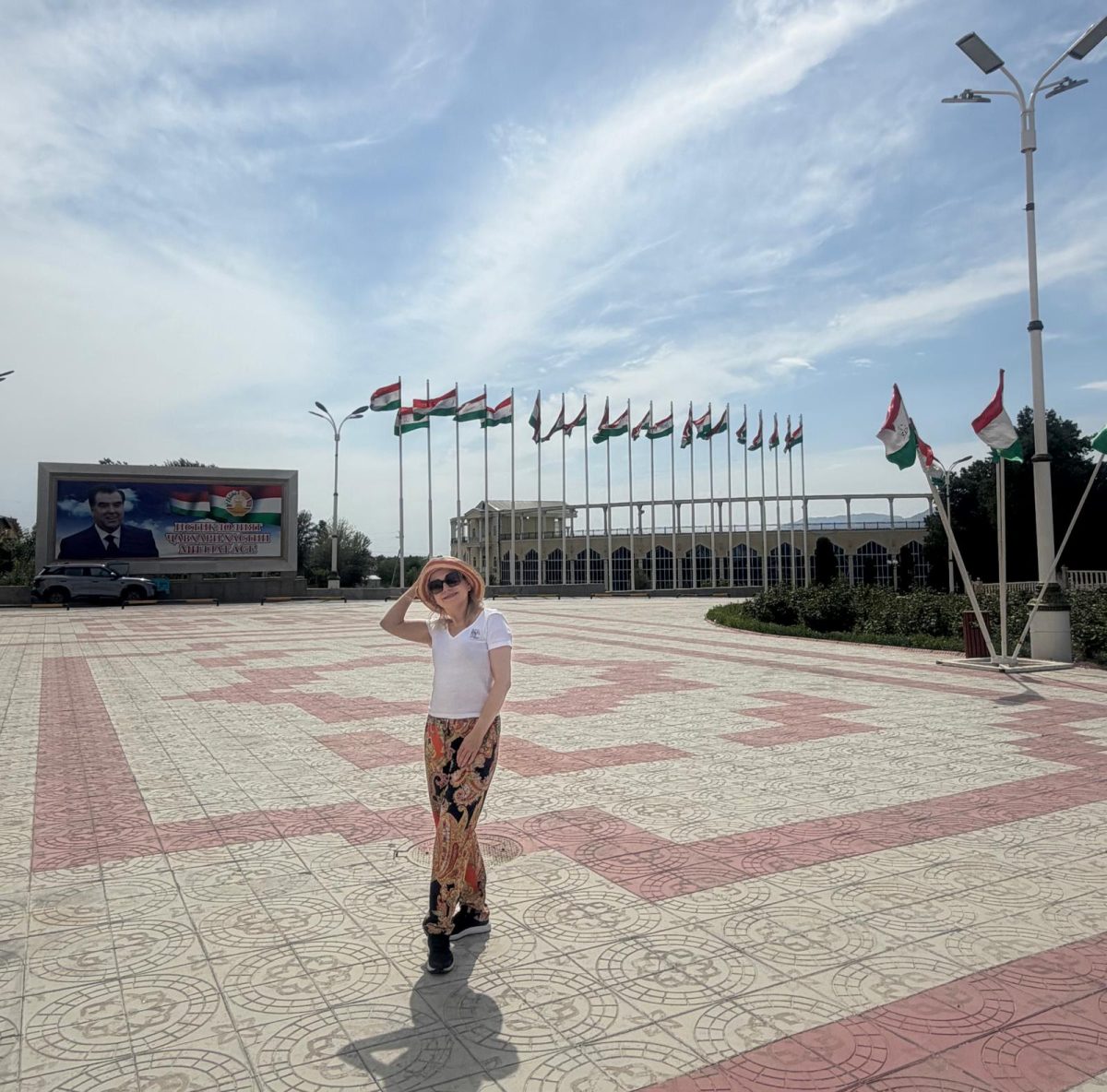
Just outside Khujand stands the Arbob Cultural Palace, built in the 1950s under the leadership of Saidkhoja Urunkhodjaev, head of the wealthy “Moscow” collective farm. Inspired by the grandeur of Peterhof Palace near St. Petersburg and designed by architect Hikmat Yuldashev, it was constructed as a cultural and administrative center symbolizing prosperity and Soviet progress. The project took five years and cost around 12 million Soviet rubles — equivalent to tens of millions of euros today (approximately €40–€80 million, depending on estimation methods). Later, it became one of Tajikistan’s most significant political sites, hosting key negotiations during the country’s independence period and civil peace process in the 1990s.

©Beata Bruggeman-Sękowska

©Beata Bruggeman-Sękowska

©Beata Bruggeman-Sękowska

©Beata Bruggeman-Sękowska

©Beata Bruggeman-Sękowska
©Beata Bruggeman-Sękowska
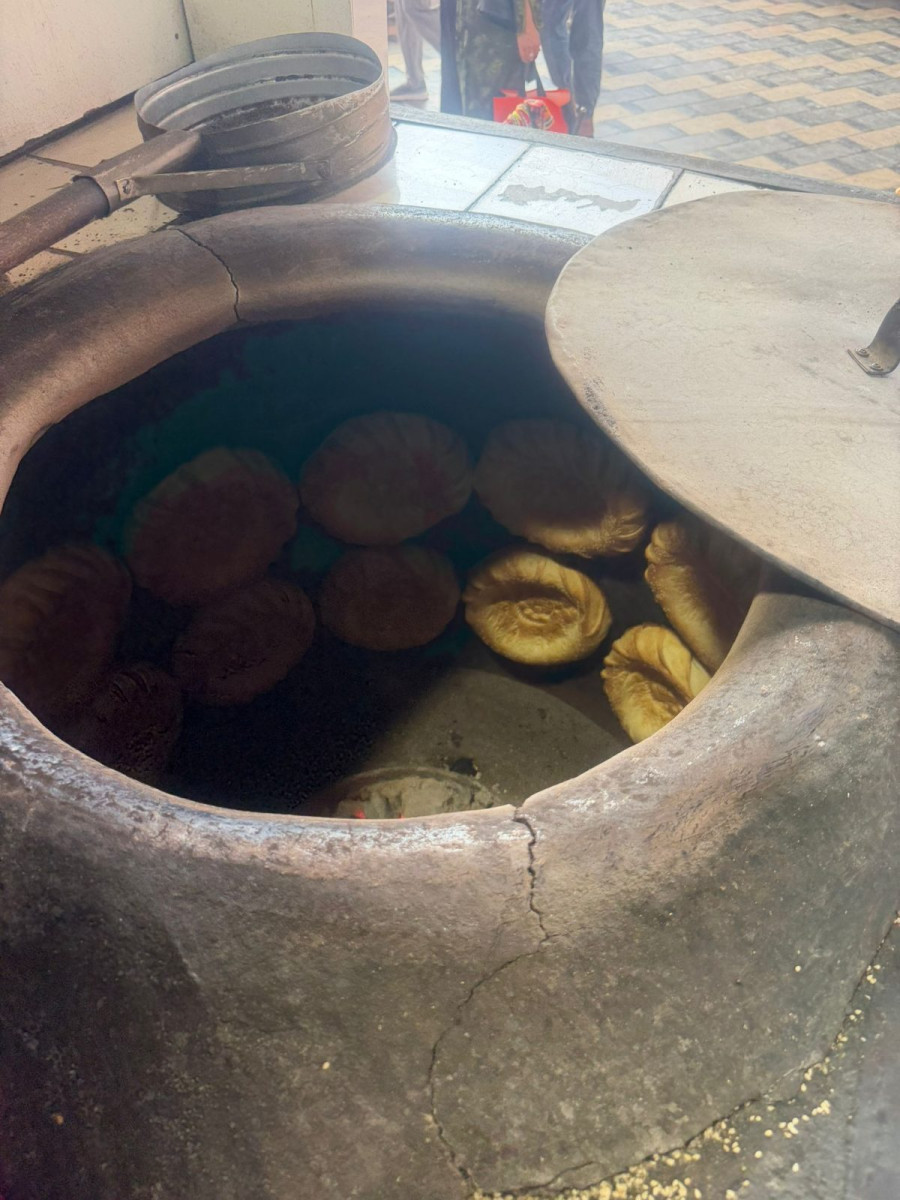
What stands out most, however, is the people. Tajik people are incredibly warm, welcoming, and respectful toward other cultures. We were received with genuine hospitality and had the chance to try traditional Tajik food, including Tajik non, a round bread baked in a traditional oven and delicious plov.
©Beata Bruggeman-Sękowska
Author: Beata Bruggeman-Sękowska is an award-winning Dutch-Polish journalist and author. She is the chief editor of the Central and Eastern Europe Center and president of the European Institute on Communist Oppression. Born in Warsaw, Poland and currently residing in the Netherlands, Beata has roots in Lviv, Ukraine and has Armenian heritage.