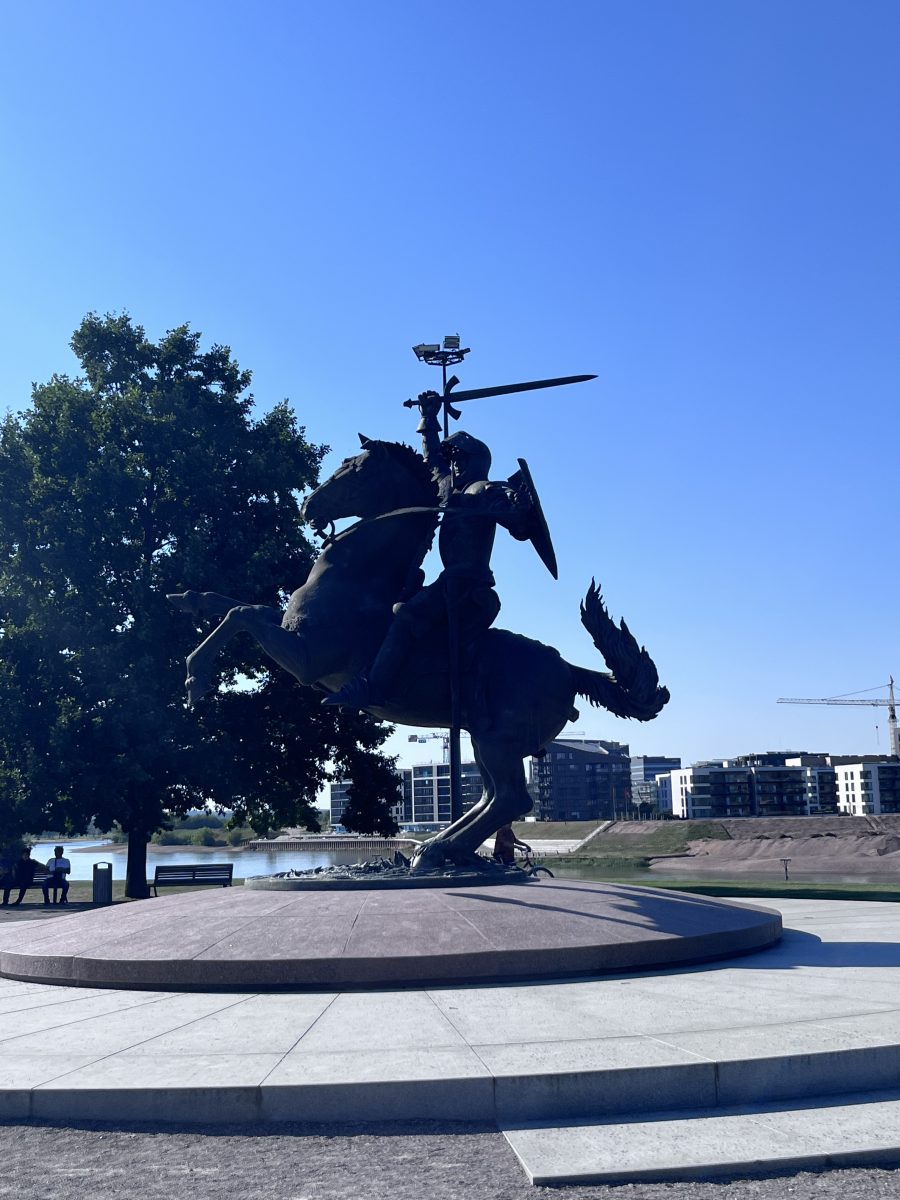


Kazakhstan: from the Silk Road to modern Shymkent


Beata Bruggeman-Sekowska
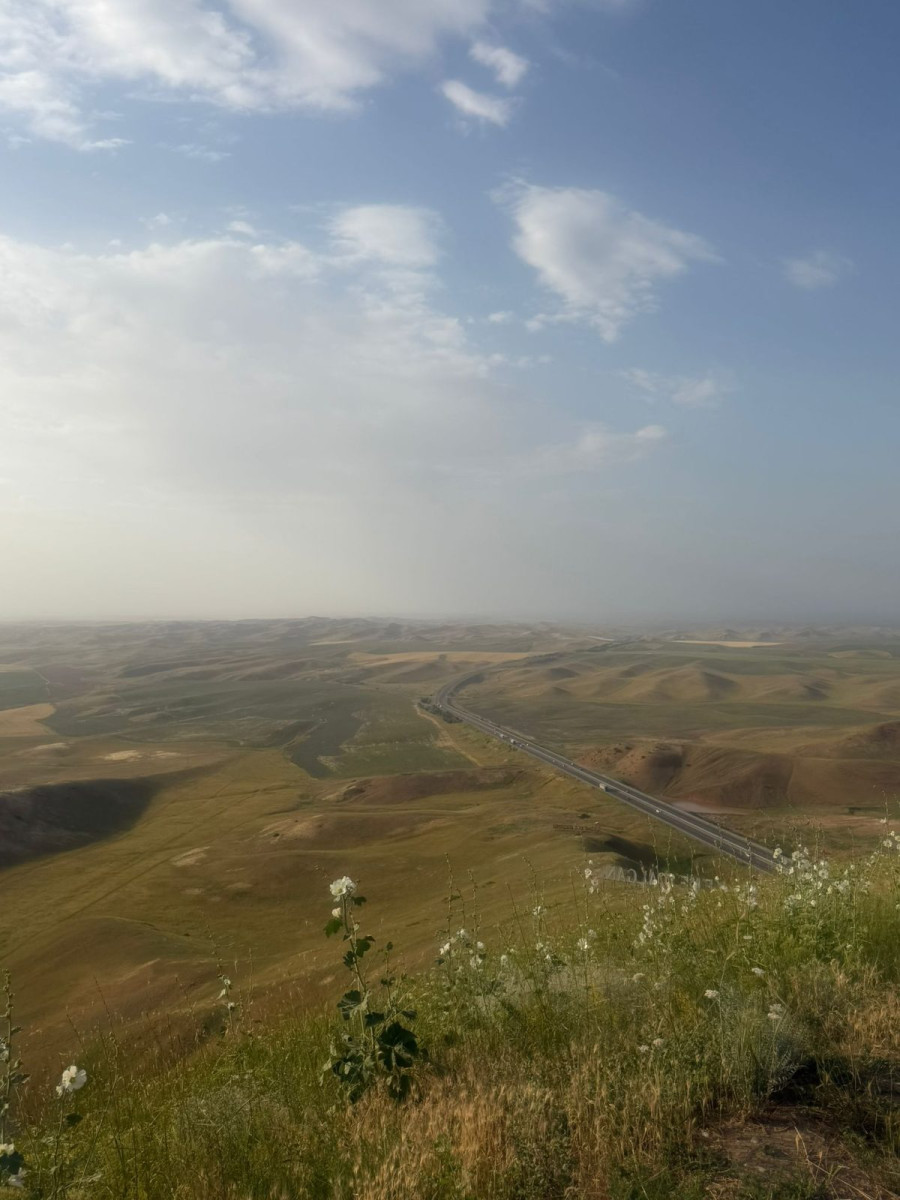
Kazakhstan is the largest landlocked country in the world and the ninth-largest country by area. Covering almost 2.7 million square kilometers, it is a vast country of open steppes, deserts, semi-deserts and mountains. Yet its population is just over 20 million, making it one of the least densely populated countries in the world.
©Beata Bruggeman-Sękowska
Kazakhstan was part of the Soviet Union until gaining independence in 1991 and Soviet influences are still visible in the architecture, monuments and public spaces of many cities. Memorials dedicated to soldiers of the Red Army can be found throughout the country, reflecting the important role played by Kazakh soldiers during the Second World War. Kazakhstan is also home to museums and memorials documenting Stalinist repression, deportations and the Gulag labor camp system.
The Silk Road and Shymkent
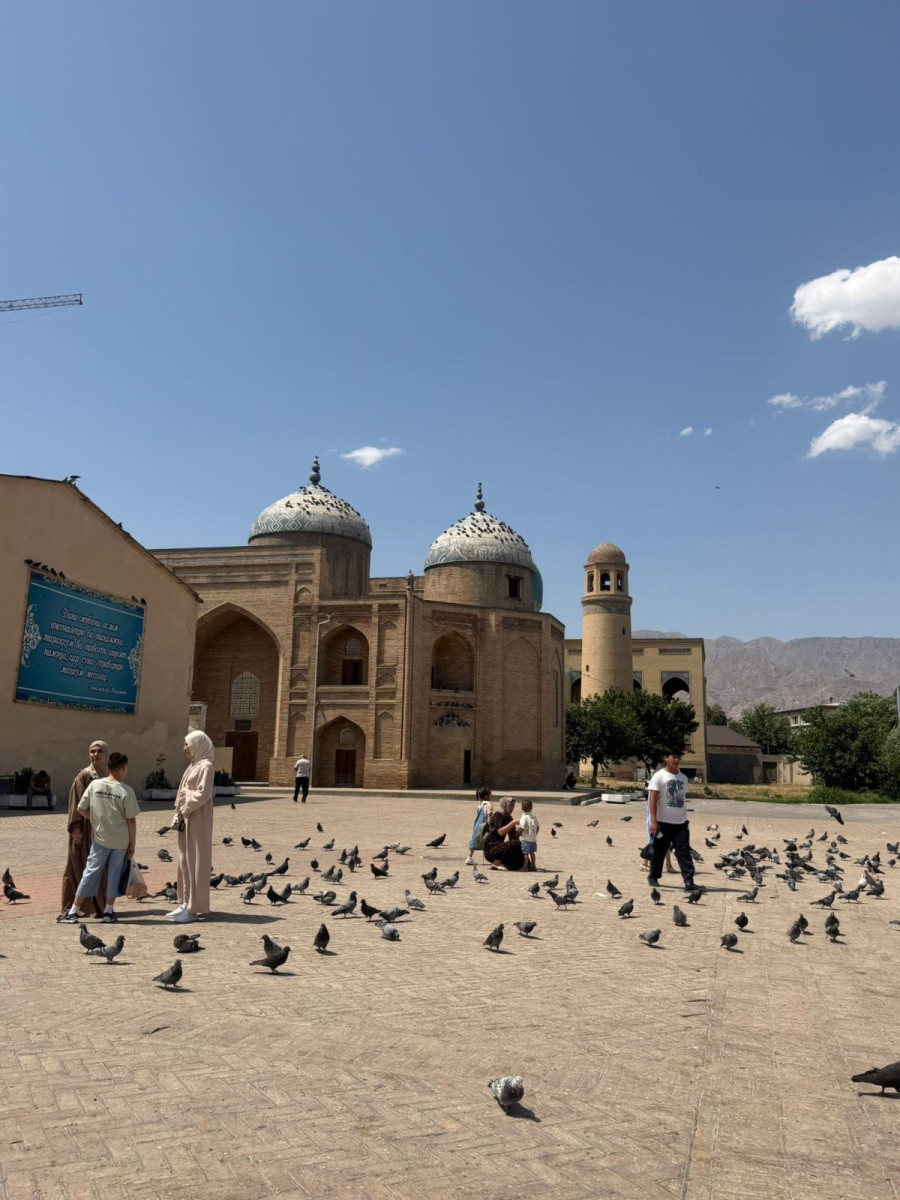
The history of southern Kazakhstan is closely connected with the Silk Road. Trade routes crossed the region linking China with Central Asia and the Middle East and Shymkent developed in this environment as a settlement and trading centre near the ancient city of Sayram. Shymkent’s history goes back much further than its first written mention. Archaeological excavations have provided evidence of a settlement dating back around 2,200 years. The first known written reference to the name Chimkent dates from 1365–1366, when the medieval historian Sharaf al-Din Ali Yazdi mentioned the settlement in connection with Timur’s military campaign near Sayram. The city’s location made it an important point along the region’s trading routes. Over the centuries, Shymkent changed hands and was influenced by different states and cultures before becoming part of the Russian Empire and, later, the Soviet Union.
Today, Shymkent is one of Kazakhstan’s largest cities and an important economic and cultural centre in the south. It is known for its lively bazaars, warm hospitality and multicultural character.
When visiting Shymkent, there are several places worth seeing.
The Old Citadel
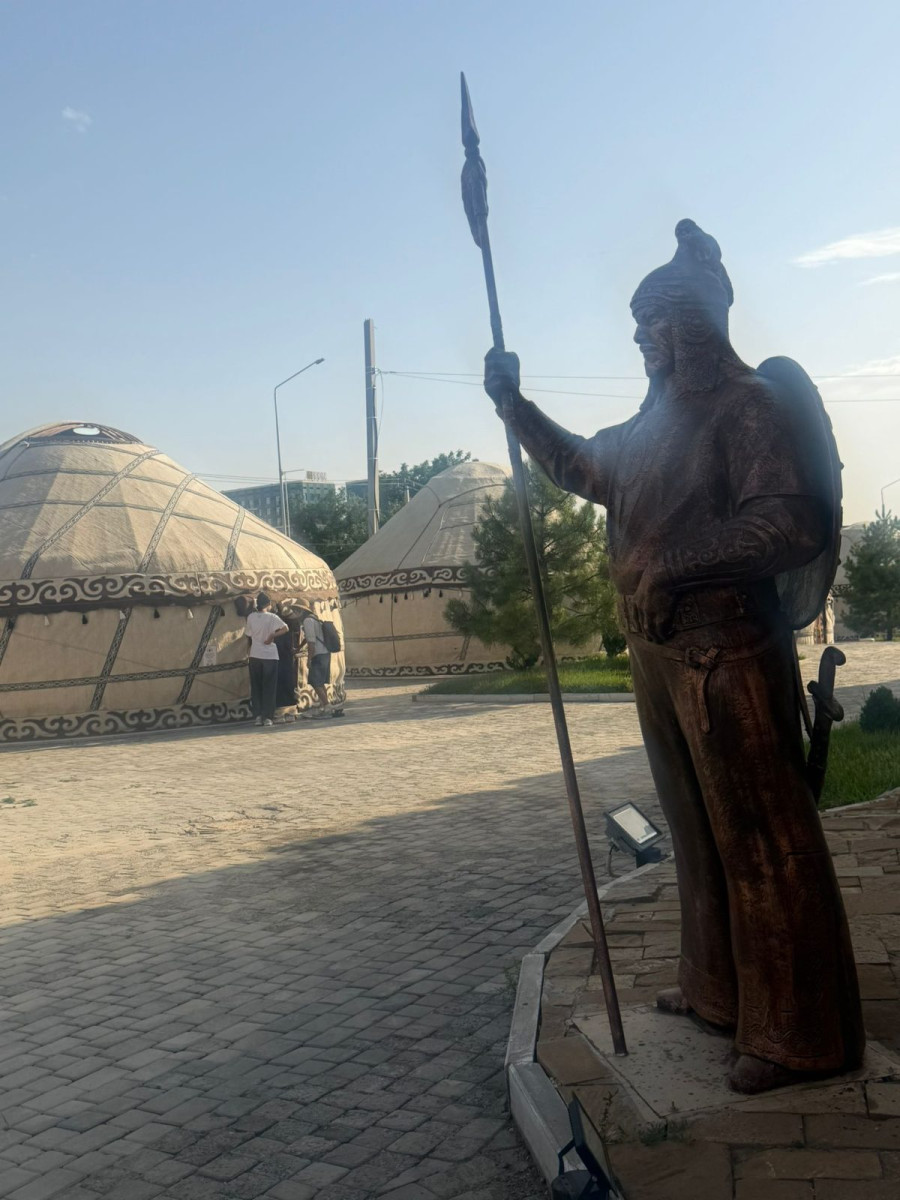
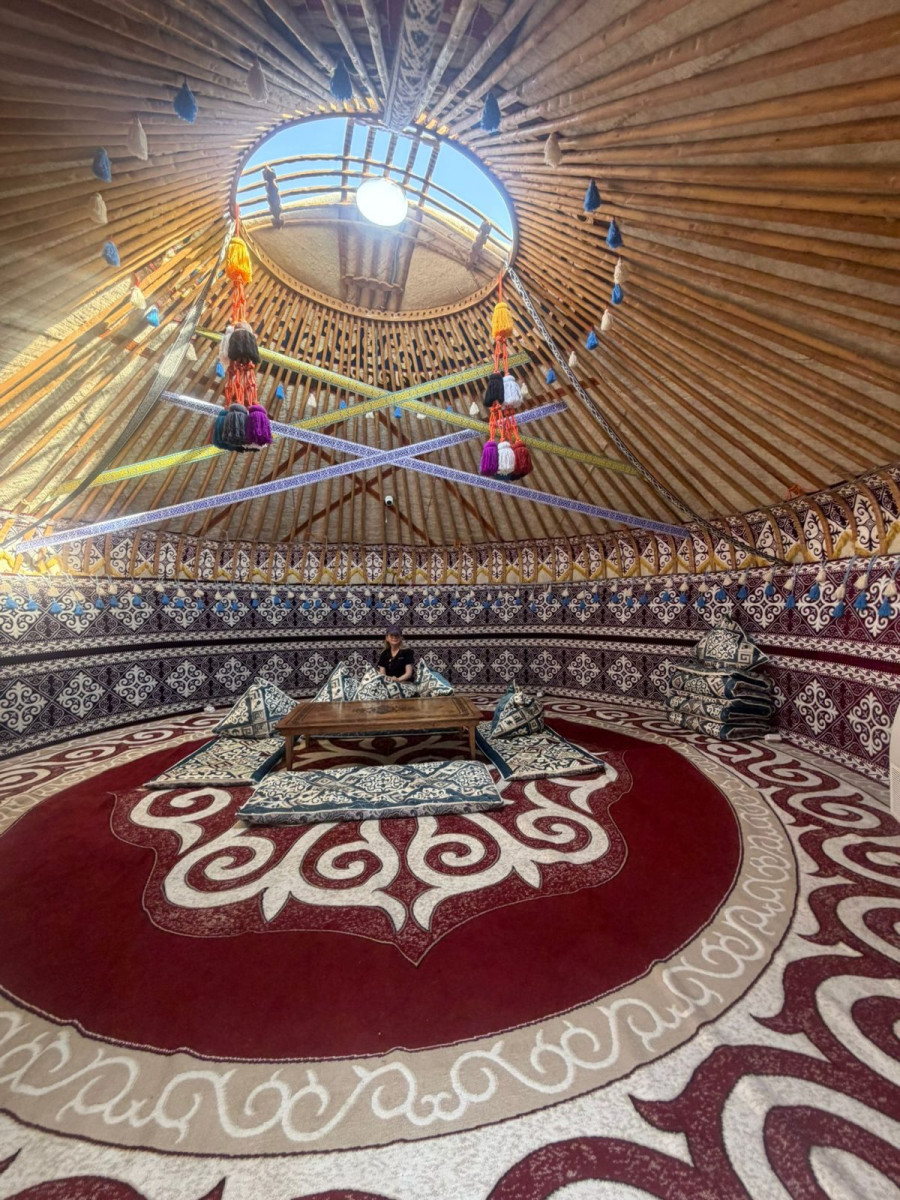
The Citadel is part of ancient Shymkent and forms the historic heart of the city. Archaeological excavations carried out in 2003–2004 helped establish the city’s history at around 2,200 years. The historic complex includes the Citadel, Shahristan and remains of the medieval settlement.
Situated on elevated ground, the Citadel also offers good views across the modern city. Today, the restored area functions as an open-air historical and archaeological complex, where visitors can learn more about the development of Shymkent and its role in the region.
©Beata Bruggeman-Sekowska
©Beata Bruggeman-Sekowska
©Beata Bruggeman-Sekowska
Arbat Street
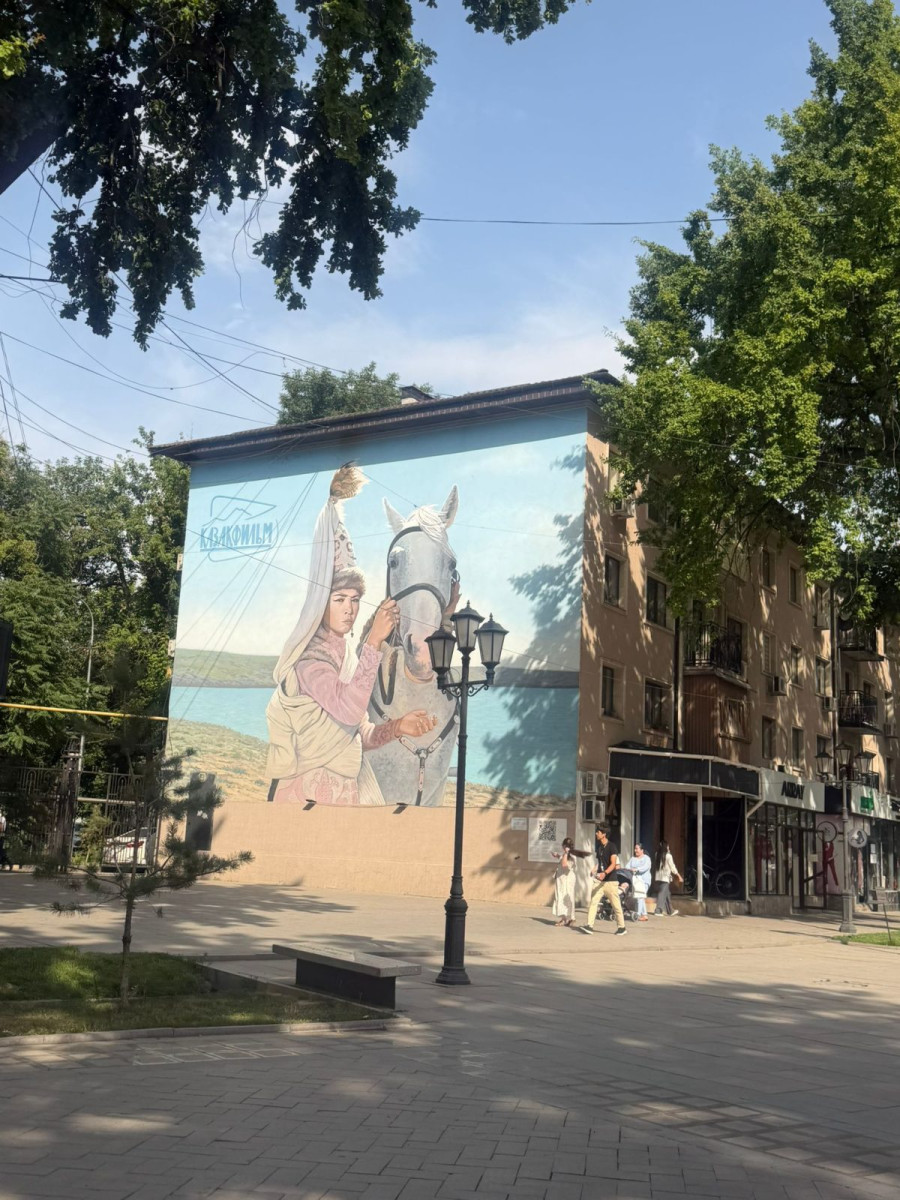
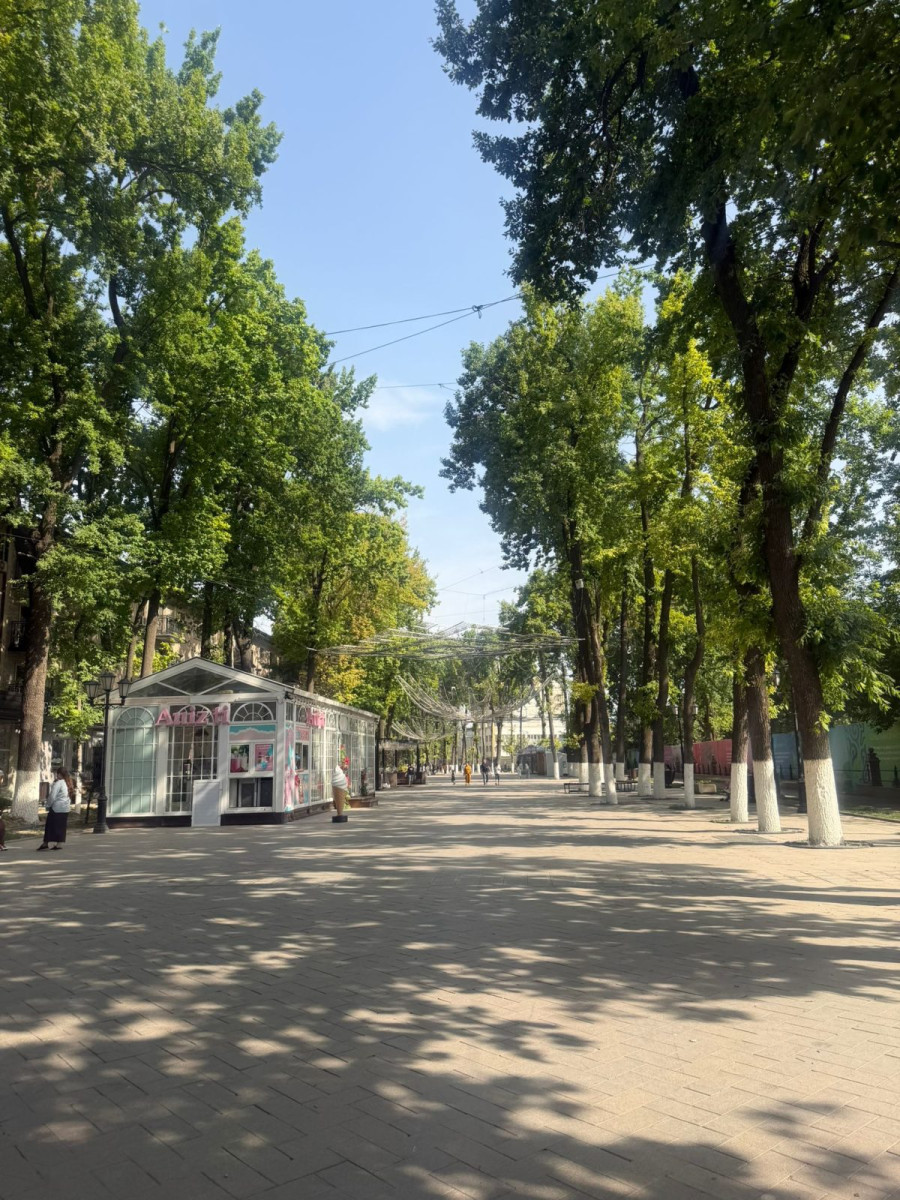
Arbat Street is one of the liveliest parts of central Shymkent and is often compared with a local Broadway. This pedestrian area is lined with cafés, shops and places to sit, while street musicians and artists add to its relaxed atmosphere.
©Beata Bruggeman-Sekowska
Museum of Victims of Political Repression
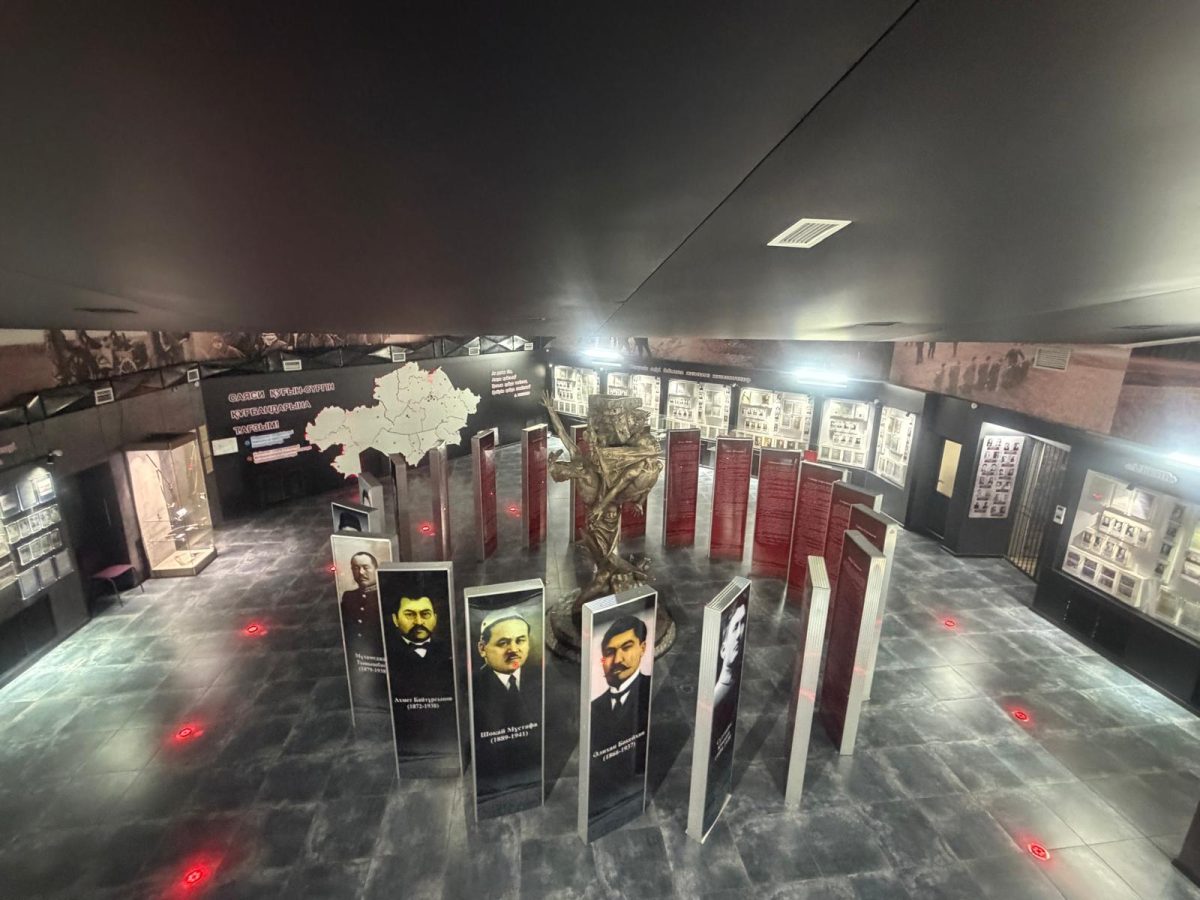
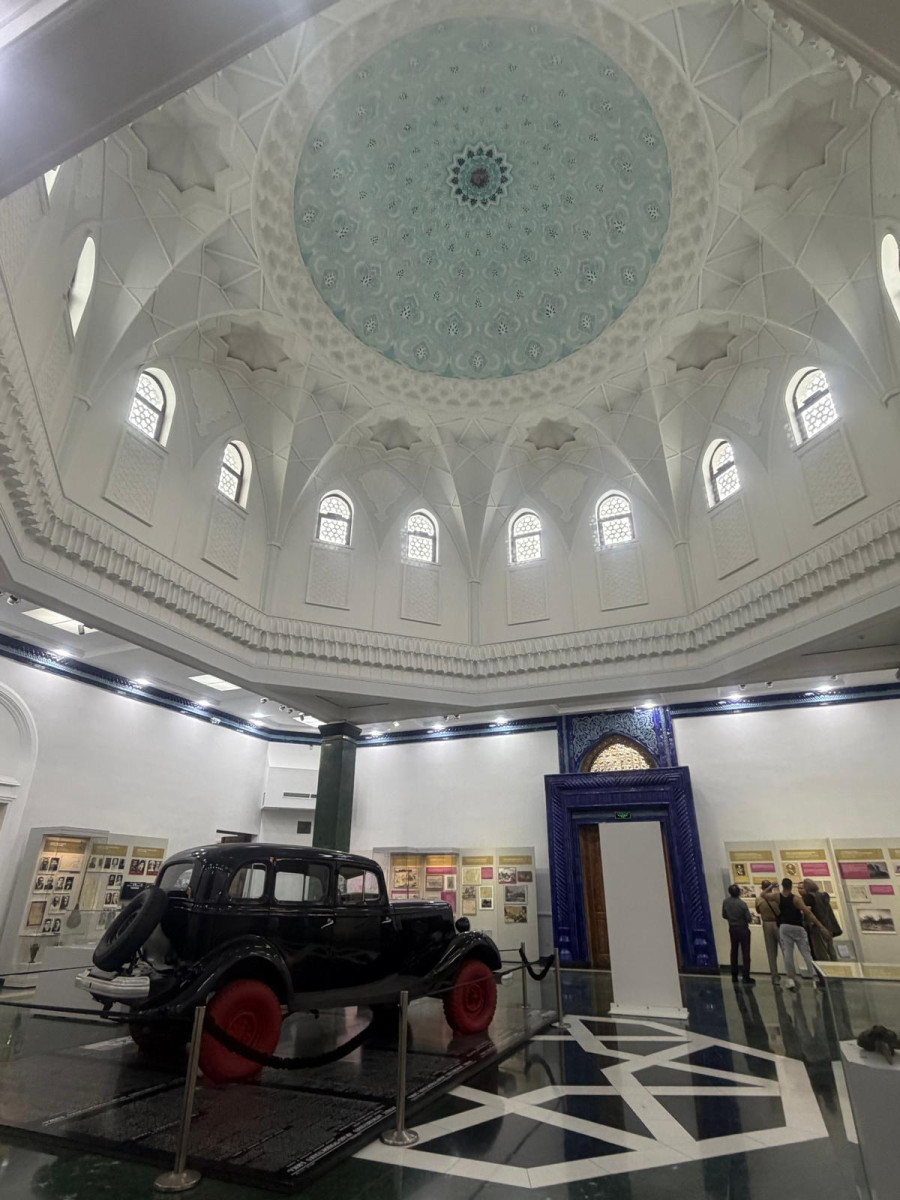
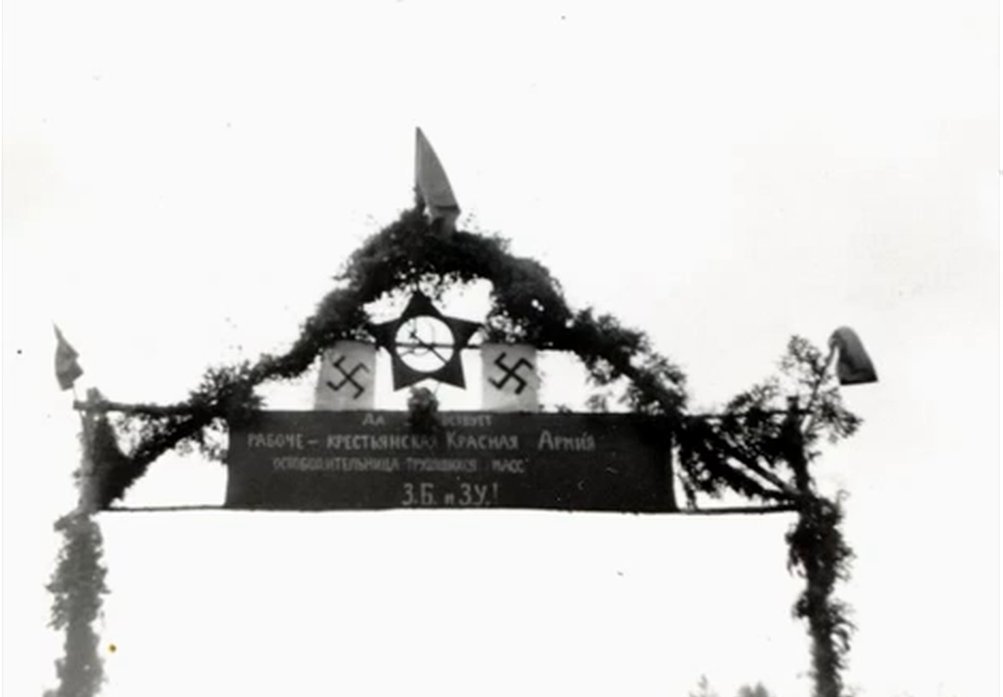
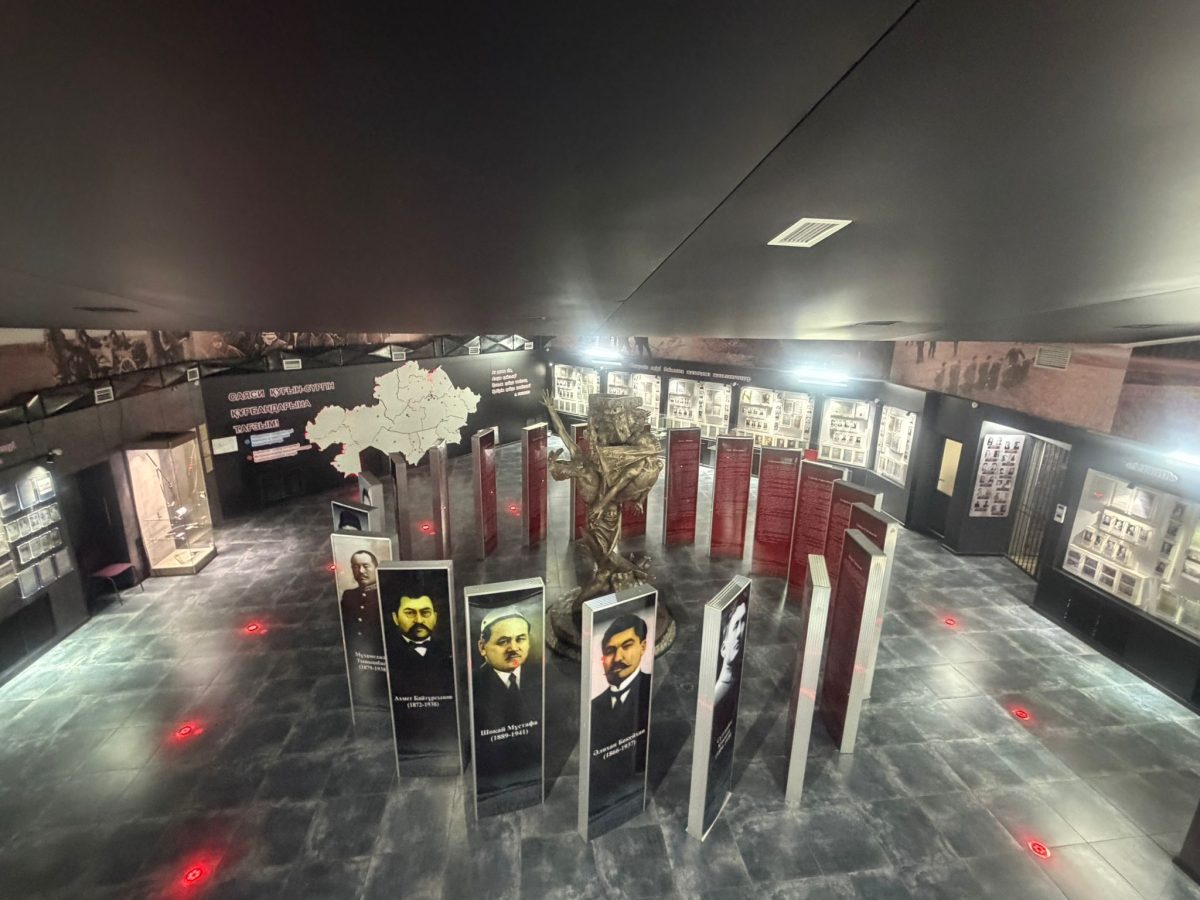
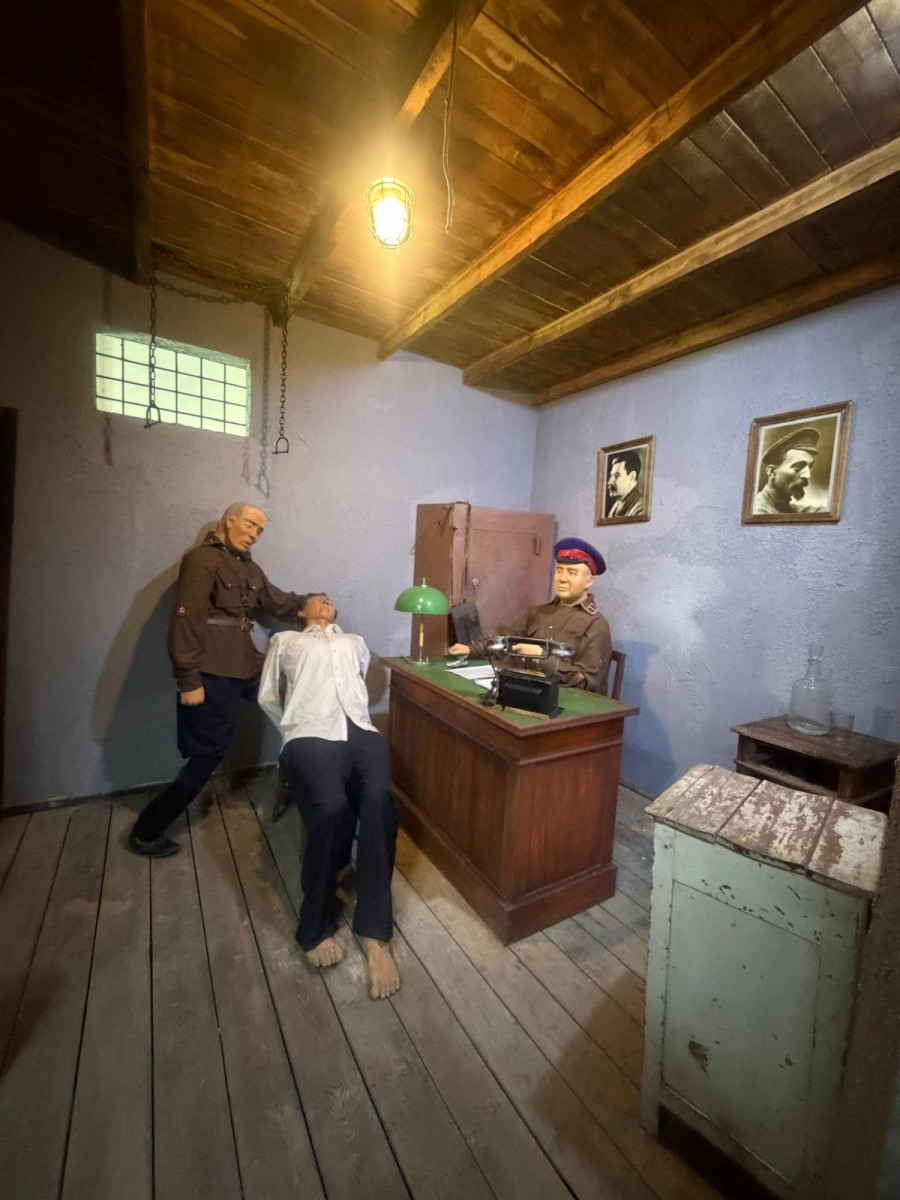
The Museum of Victims of Political Repression offers a much darker perspective on Kazakhstan’s twentieth-century history. The museum documents Stalinist repression and the persecution of Kazakh people, as well as the deportation of various ethnic groups to Kazakhstan during the Soviet period. Historical documents, photographs and personal accounts help tell the stories of people who were imprisoned, deported or otherwise affected by political repression.
©Beata Bruggeman-Sekowska
©Beata Bruggeman-Sekowska
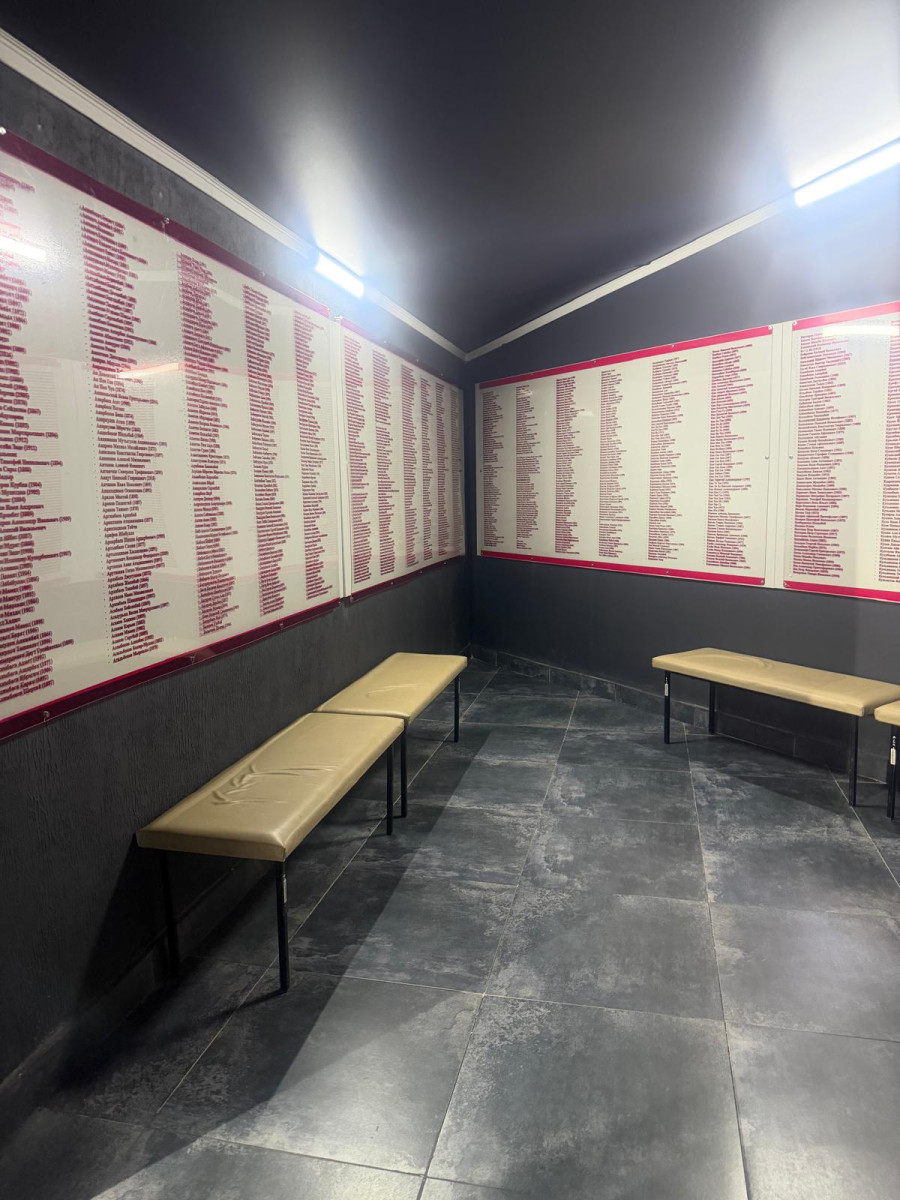
©Beata Bruggeman-Sekowska
©Beata Bruggeman-Sekowska
The Memorial of Glory in Abai Kunanbayev Park
Abai Kunanbayev Park is located in the centre of Shymkent and is one of the city’s important public spaces. At its heart is the Alley of Glory, part of a memorial complex dedicated to the soldiers of the region who fought in the Second World War. The Monument of Glory and the Eternal Flame form the centrepiece of the memorial. The memorial commemorates around 140,000 soldiers from the region who went to war. The Alley of Glory also contains the names of 51 Heroes of the Soviet Union and eight full holders of the Order of Glory.
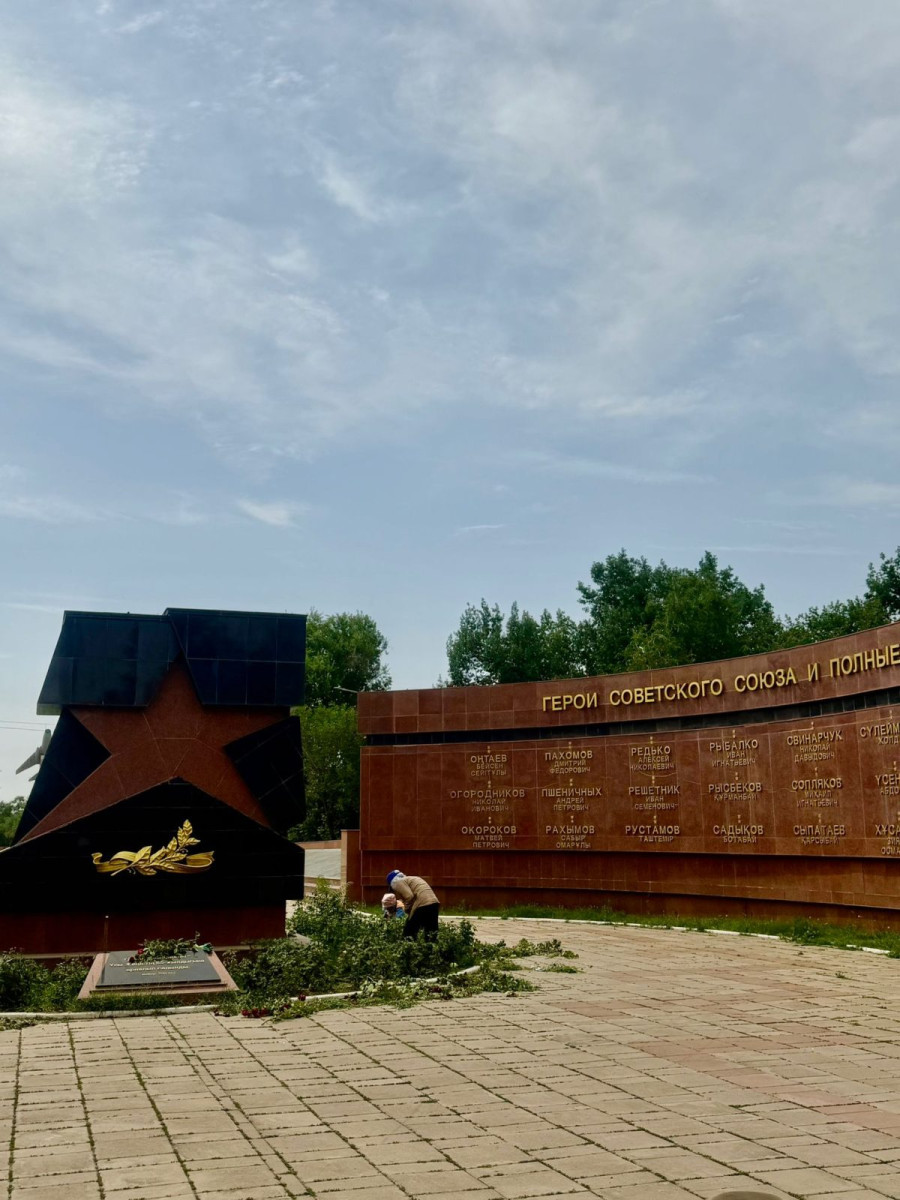
©Beata Bruggeman-Sękowska
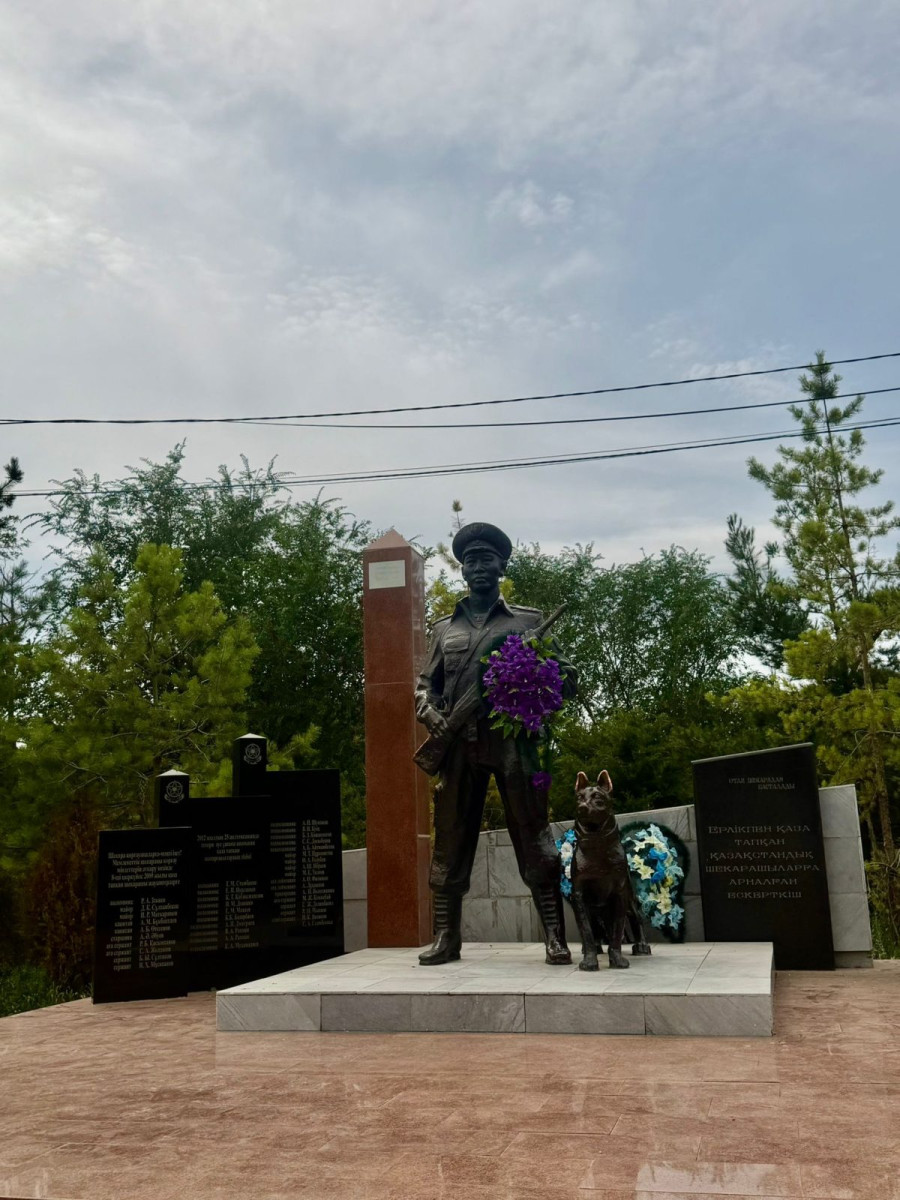
©Beata Bruggeman-Sękowska
The park itself is named after Abai Kunanbayev, one of Kazakhstan’s most important poets, philosophers and educators. He played a fundamental role in the development of modern Kazakh literature and remains one of the country’s most respected cultural figures. Today, Abai Park combines remembrance with everyday city life. People come here to walk, meet friends, attend cultural events or simply spend time outdoors. The combination of the peaceful park and the solemn memorial makes it an interesting place to experience both Kazakhstan’s wartime history and its cultural heritage.
Independence Park and Square
Independence Park is one of Shymkent’s modern landmarks and commemorates Kazakhstan’s independence. The park contains monuments, fountains, walking paths and green spaces and is particularly lively during national celebrations and cultural events.The large monument dedicated to independence symbolizes the freedom and unity of the Kazakh people.
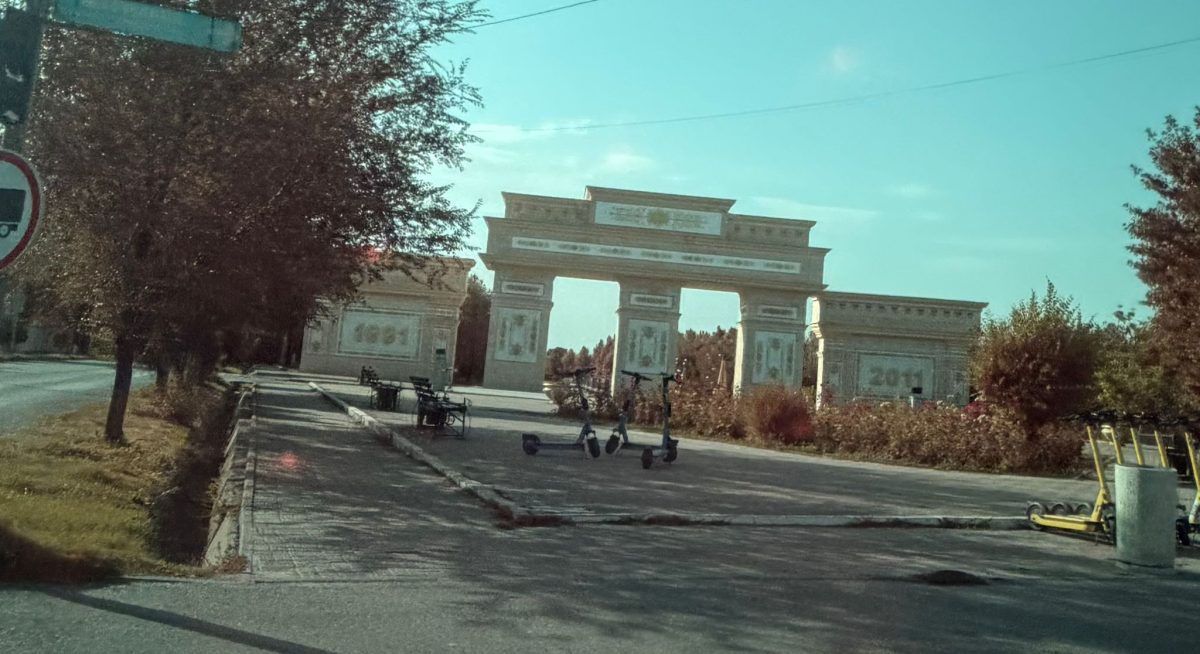
©Beata Bruggeman-Sękowska
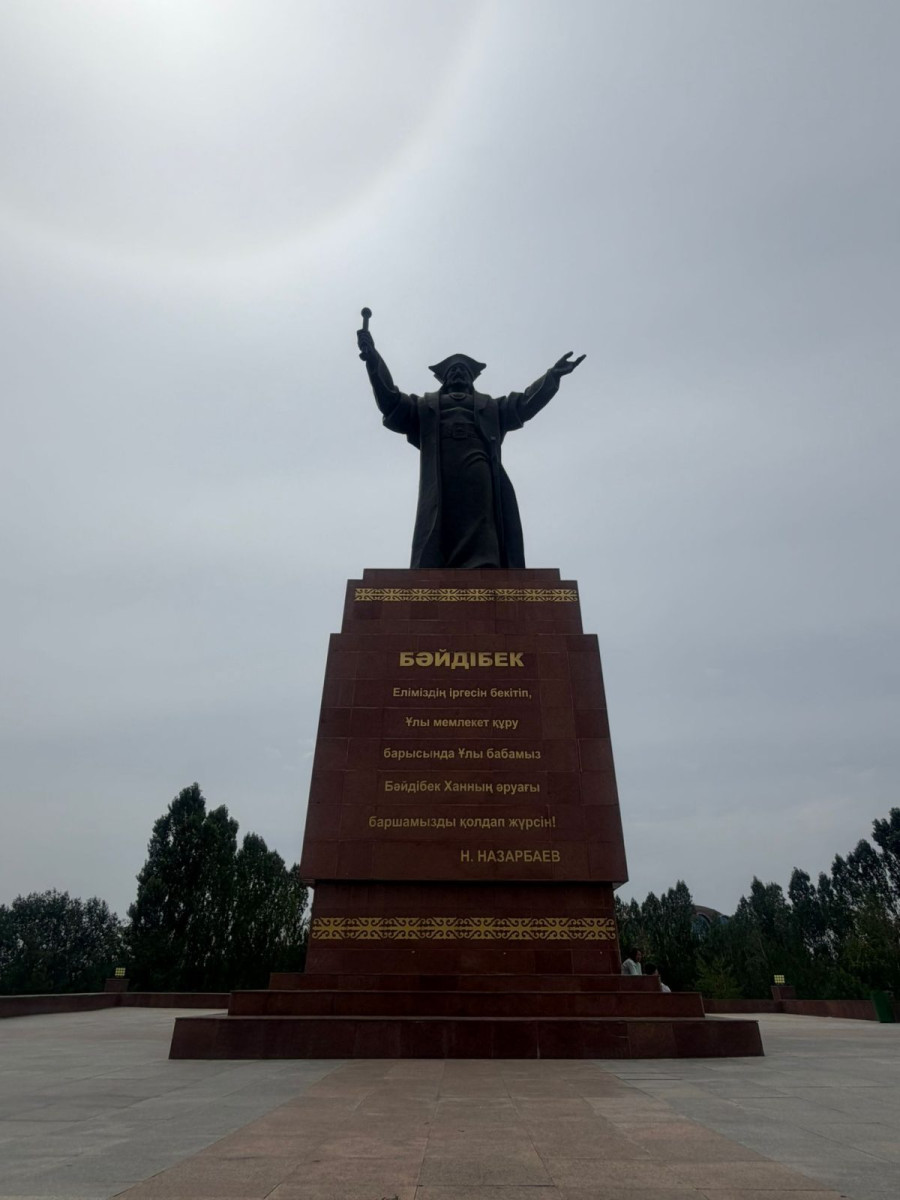
Baydibek Ata Monument and Park
The Baydibek Ata Monument and Park is both a cultural site and a popular viewpoint. It is dedicated to Baydibek Bi, a respected historical figure in Kazakh tradition who is associated with wisdom, justice and the unity of Kazakh tribes. The monument stands on a hill above Shymkent, offering wide views over the city and the surrounding landscape. The park around it has walking paths, landscaped areas and places to rest, making it a popular destination for both visitors and locals.
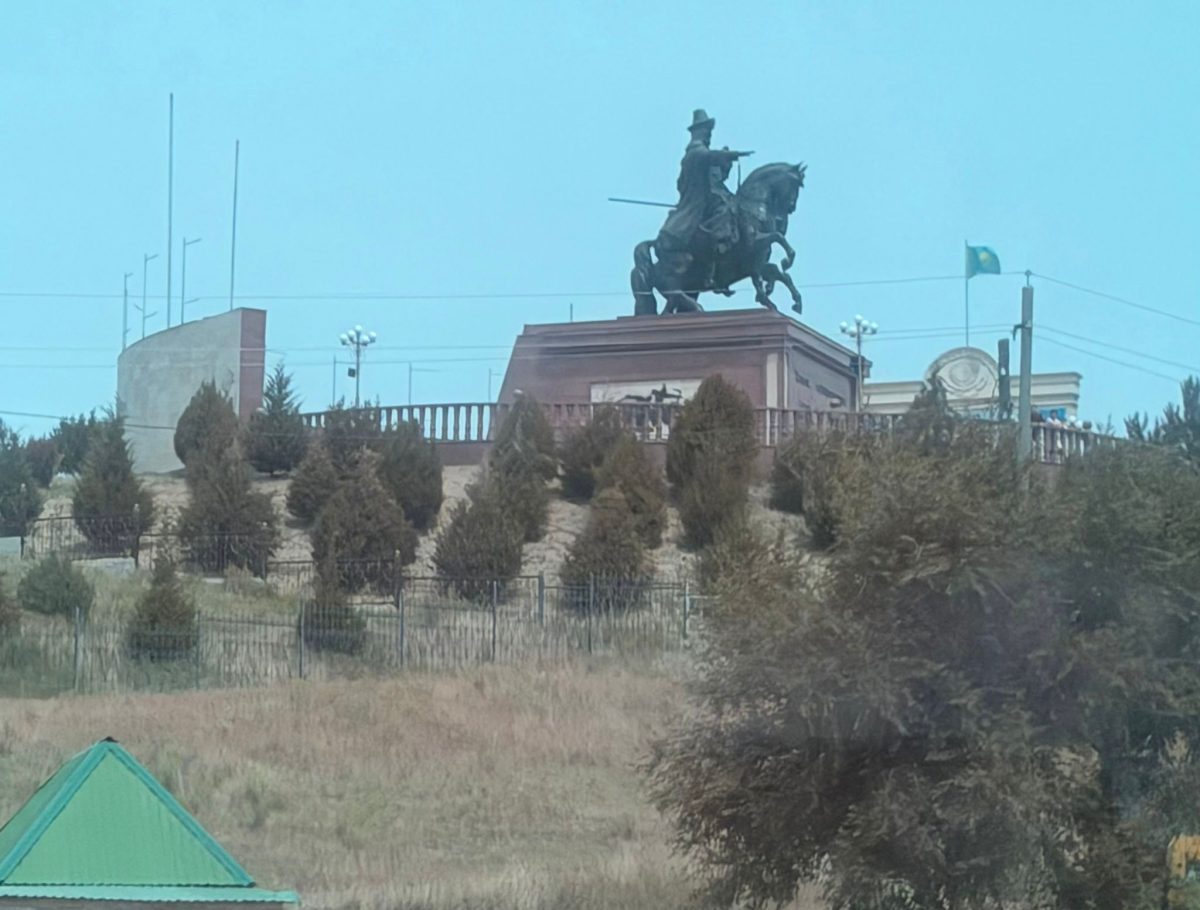
©Beata Bruggeman-Sękowska
Seyitzhan Kari Yeszhanuly Mosque
One of Shymkent’s most striking modern buildings is the Seyitzhan Kari Yeszhanuly Mosque, which opened in spring 2024. The mosque was built with the support of businessman and philanthropist Serikzhan Seyitzhanov and was named in honour of his father, Seyitzhan Yeszhanuly.
The enormous white mosque has four minarets and a main dome measuring 56 meters in diameter according to tourism sources. It can accommodate around 12,000 worshippers, while the surrounding entrance area can hold approximately another 10,000 people. Its architecture was inspired in part by the Sheikh Zayed Grand Mosque in Abu Dhabi, although the Shymkent building is smaller. The interior combines contemporary architecture with traditional Kazakh ornamentation, while Qur’anic verses decorate the walls.
The mosque has also been associated with attempts to establish Guinness World Records for the largest dome in Central Asia and the tallest mihrab.

©Beata Bruggeman-Sękowska
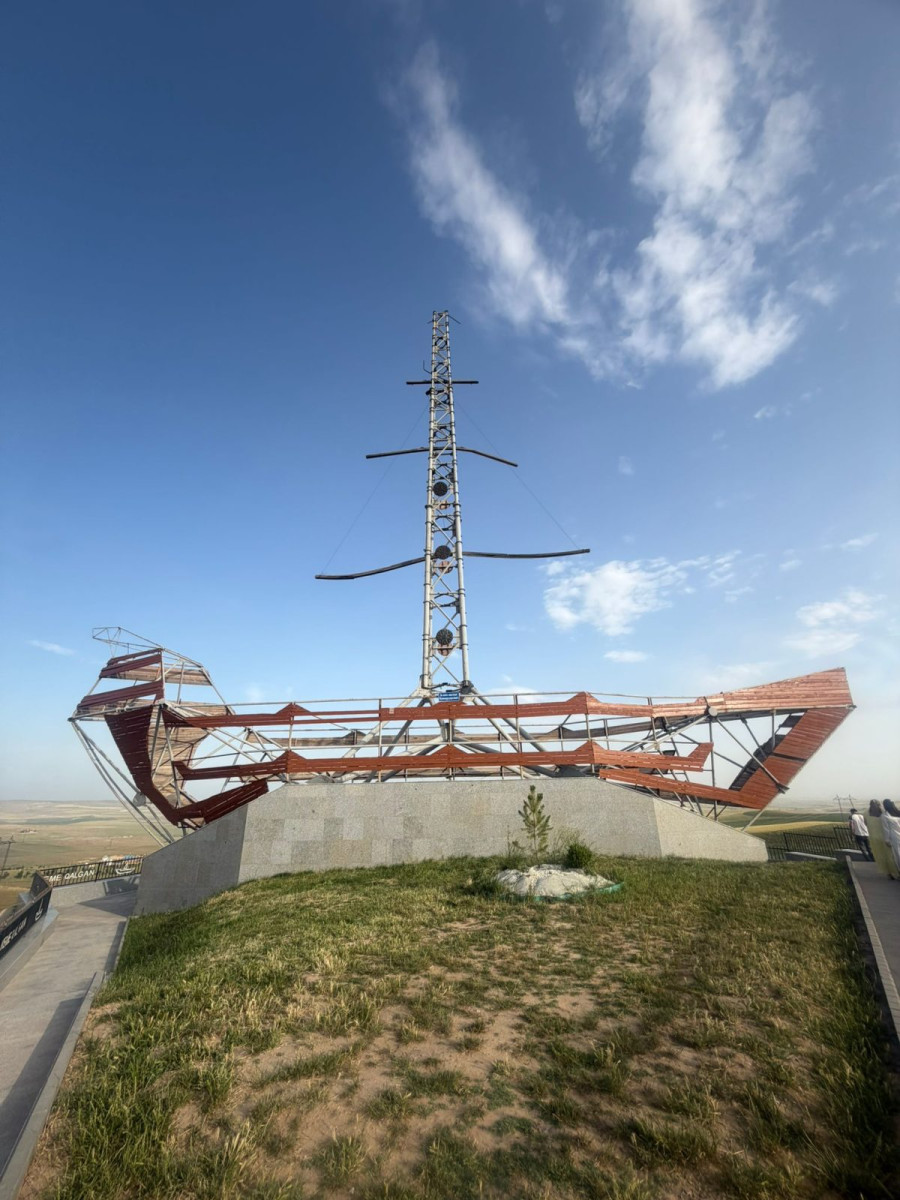
Kazygurt Sacred Hill – “Noah’s Ark”
Kazygurt Mountain, often referred to as the “Ark of Noah”, is one of the region’s most intriguing sacred and legendary places.
The mountain has long been associated with local traditions and legends. According to one popular story, Noah’s Ark came to rest here after the Great Flood. Whether viewed as a religious tradition, a piece of local folklore or simply a place surrounded by striking landscapes, Kazygurt attracts visitors interested in the spiritual and cultural heritage of southern Kazakhstan. The area also lies close to historic routes that connected Central Asia with the wider Silk Road network. Today, Kazygurt is a destination where legends, history and the natural landscape come together.

©Beata Bruggeman-Sękowska

Author: Beata Bruggeman-Sękowska is an award-winning Dutch-Polish journalist and author. She is the chief editor of the Central and Eastern Europe Center and president of the European Institute on Communist Oppression. Born in Warsaw, Poland and currently residing in the Netherlands, Beata has roots in Lviv, Ukraine and has Armenian heritage.