

Uzbekistan: a journey through history, culture and modern Central Asia


Beata Bruggeman-Sekowska
Uzbekistan is one of the most interesting destinations I have visited. It is extremely safe, surprisingly diverse and has an excellent infrastructure. Having travelled to 55 countries, I can honestly say that, as a woman travelling there, I felt not only very safe but also genuinely welcome.
What made the trip even more enjoyable were the people. Everywhere we went, we were warmly welcomed. People were friendly, open, helpful and, in our experience, genuinely honest with tourists. Whether we needed directions, help with transport or simply had a question, there was always someone willing to help. There was a natural warmth towards visitors that made us feel comfortable from the very beginning.
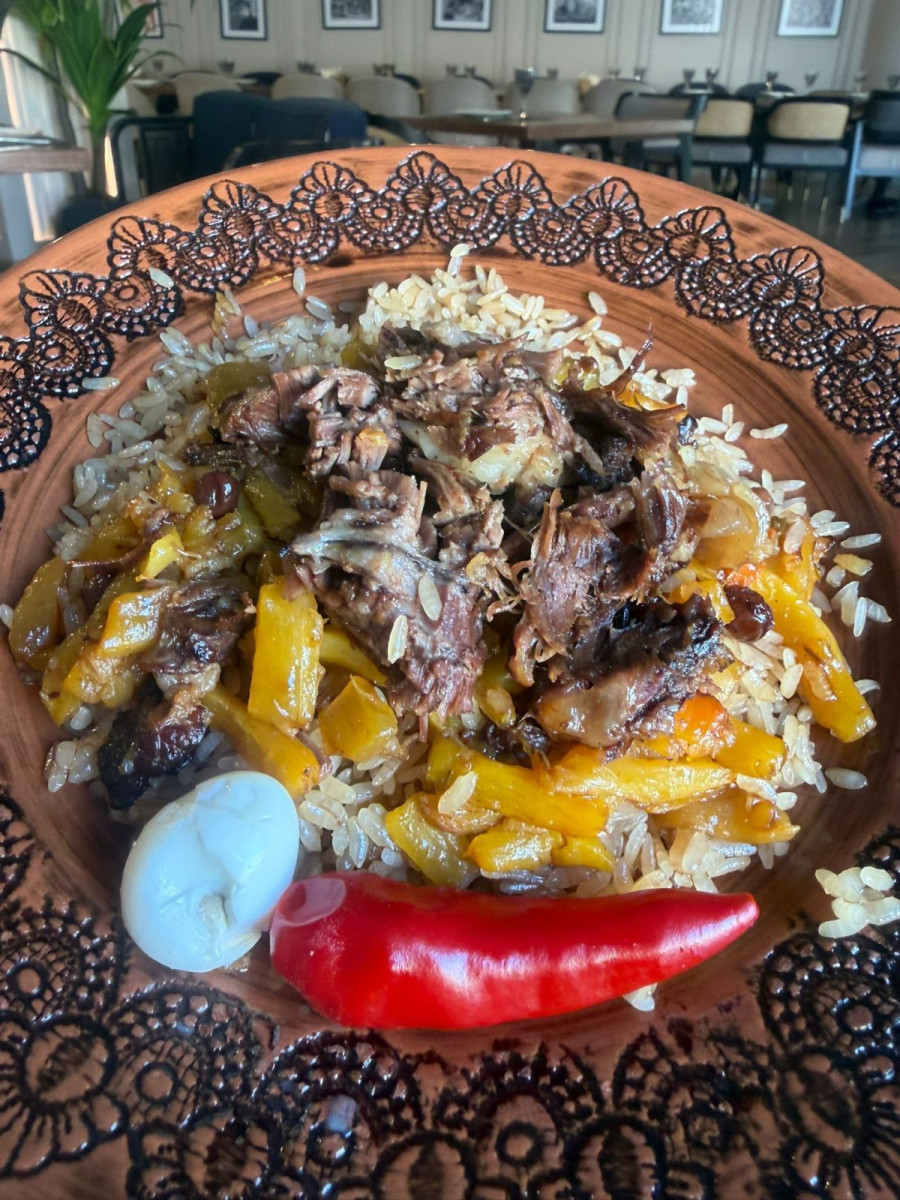
And then there is the food, something you should definitely not miss in Uzbekistan. Uzbek cuisine is hearty, varied and full of flavour. Plov is probably the country’s best-known dish. Traditionally made with rice, carrots, onions and meat, it is often prepared in large quantities for family gatherings and celebrations. But plov is only the beginning. There is freshly baked non bread, samsa filled with meat or vegetables, lagman noodles, charcoal-grilled shashlik, manti dumplings and an impressive variety of fresh and dried fruit, nuts and spices. The ingredients themselves are often quite simple, but the flavours are anything but. Food is also very much part of everyday social life.
©Beata Bruggeman-Sekowska

©Beata Bruggeman-Sekowska
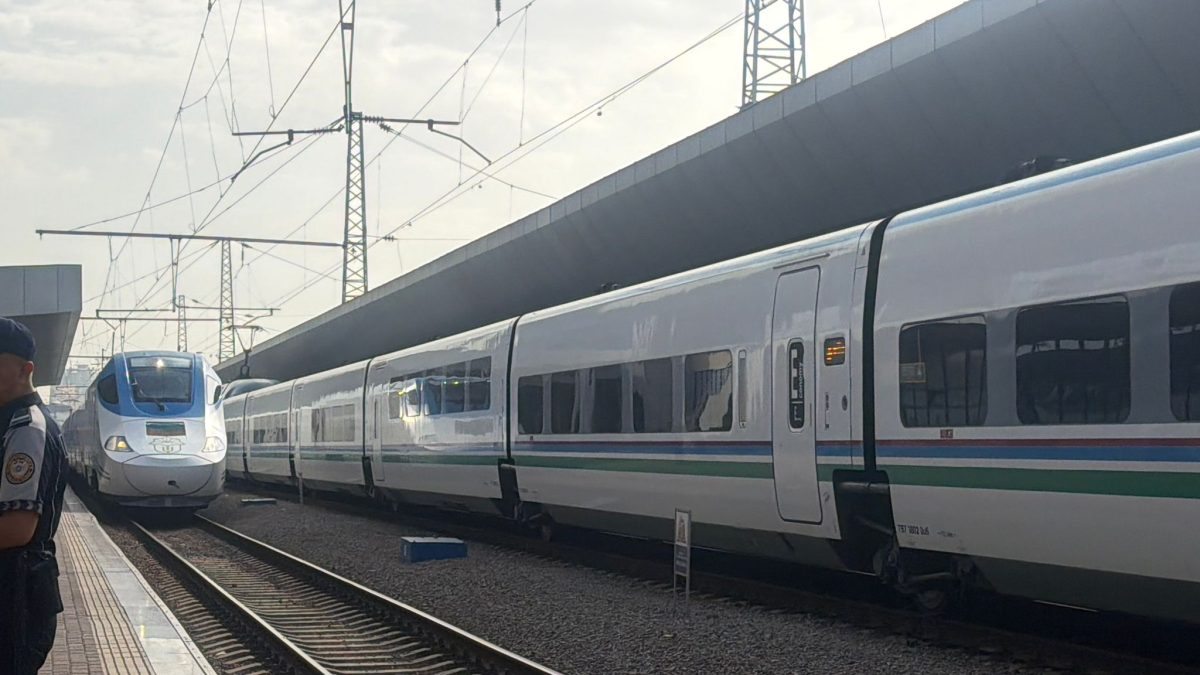
Transport is another pleasant surprise. Tashkent has an efficient metro system, and modern high-speed Afrosiyob trains connect the country’s main cities. Many travelers spend only one or two days in Tashkent, treating it as a stopover before continuing to other parts of the country. I would recommend staying longer. For me, four days is the minimum to get a real feel for the city.
©Beata Bruggeman-Sekowska
Tashkent: Soviet heritage, Islamic culture and a modern city
Tashkent is a fascinating mixture of Soviet history, Islamic culture and rapid modern development. The city feels Asian, modern and distinctly Soviet at the same time, sometimes all within just a few streets.
Tashkent is also fascinating from an architectural point of view. The city is not simply a mixture of ancient Islamic buildings and Soviet-era monuments. It has a distinctive modernist architectural heritage of its own, much of it shaped by the reconstruction of the city after the devastating 1966 earthquake. In 2026, ten modernist buildings and urban complexes in Tashkent were inscribed on the UNESCO World Heritage List as the serial property “Tashkent Modernist Architecture. Modernity and Tradition in Central Asia.” Together, they represent an important period in the city’s transformation from the 1960s to the early 1990s, when Tashkent was rebuilt and reshaped as a modern socialist metropolis.
What makes this architecture particularly interesting is that it was not simply a copy of Soviet modernism. Architects had to adapt modern construction techniques to Tashkent’s climate, seismic conditions and local traditions. The result is a distinctive combination of modernist design, large-scale urban planning and regional influences.
The ten UNESCO-listed components are the Zhemchug, or “Pearl”, Residential Building; the State Museum of History; the Central Exhibition Hall of the Academy of Arts; Kosmonavtlar Metro Station; the Big Solar Furnace, also known as the Sun Heliocomplex; the Peoples’ Friendship Palace; the State Museum of Arts; the State Circus; Chorsu Market; and the Alisher Navoi Cinema Palace.
Several of these buildings are particularly striking because they combine the monumental scale typical of late-Soviet architecture with shapes, patterns and materials adapted to Central Asian surroundings. Chorsu Market, for example, is very different from a conventional Soviet market building, with its enormous blue dome and distinctive structure. Kosmonavtlar Metro Station takes a completely different approach, turning an underground transport station into a carefully designed architectural space.
The inclusion of these buildings on the UNESCO list is significant because it recognises a part of Tashkent’s history that is sometimes overlooked. The city is not only a place of ancient Islamic architecture and Soviet monuments; its modernist buildings tell the story of how Tashkent reinvented itself after the earthquake and developed into the contemporary capital we see today.
For visitors interested in architecture, this makes Tashkent particularly rewarding. You do not have to choose between old and new here. Ancient traditions, Soviet modernism and contemporary architecture exist side by side, sometimes within the same neighborhood.

Peoples’ Friendship Palace at the Peoples’ Friendship Square. The Peoples’ Friendship Palace is a striking example of Tashkent’s modernist architecture. Completed in 1981, the monumental building was designed as a major concert and congress hall and became one of the architectural landmarks of the reconstructed city. Its imposing modernist façade incorporates elements inspired by traditional Central Asian architecture, creating an unusual combination of Soviet modernism and local design.©Beata Bruggeman-Sekowska
Let’s discover Tashkent!
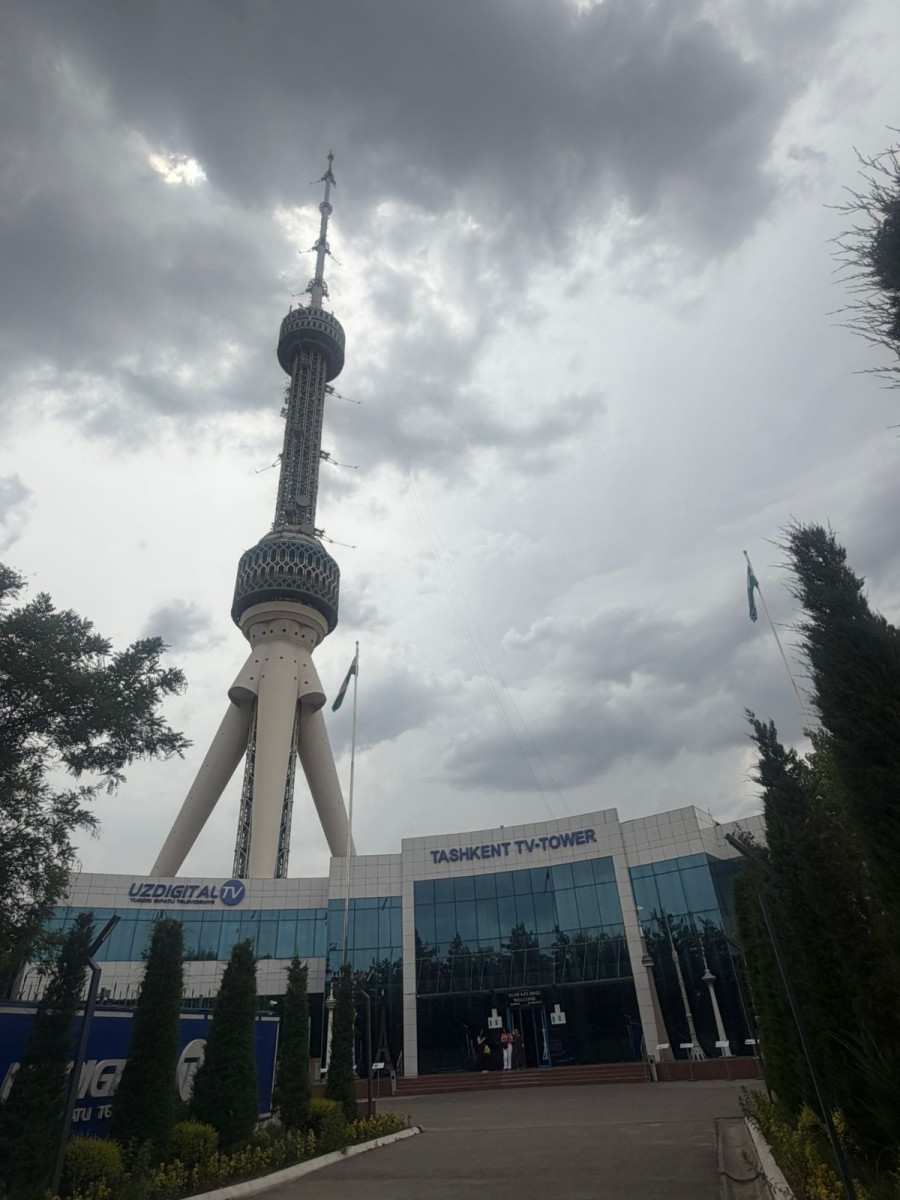
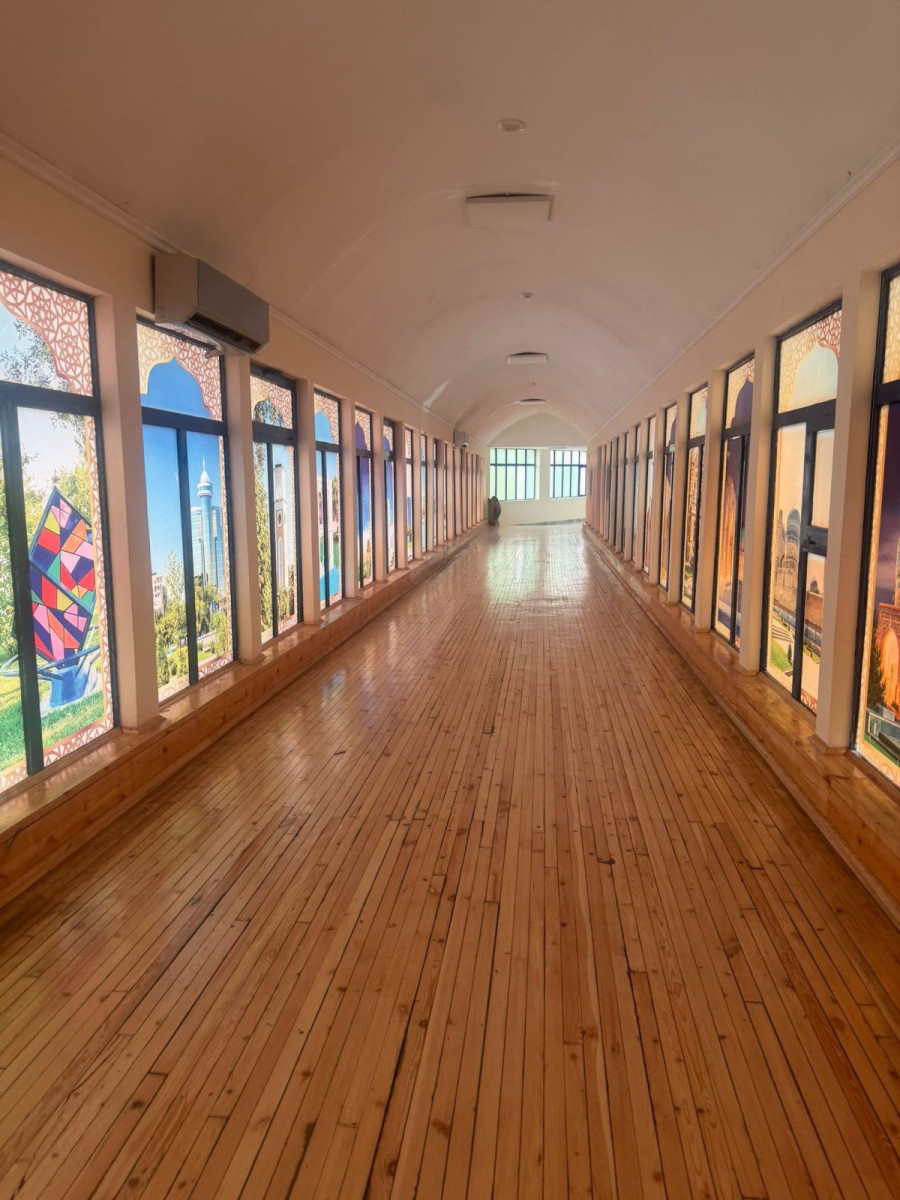
The famous Tashkent TV Tower is one of the tallest structures in Central Asia. At the top, the rotating restaurant offers panoramic views over the city and gives you a completely different perspective on its size.
©Beata Bruggeman-Sekowska
Inside the TV tower: ©Beata Bruggeman-Sekowska
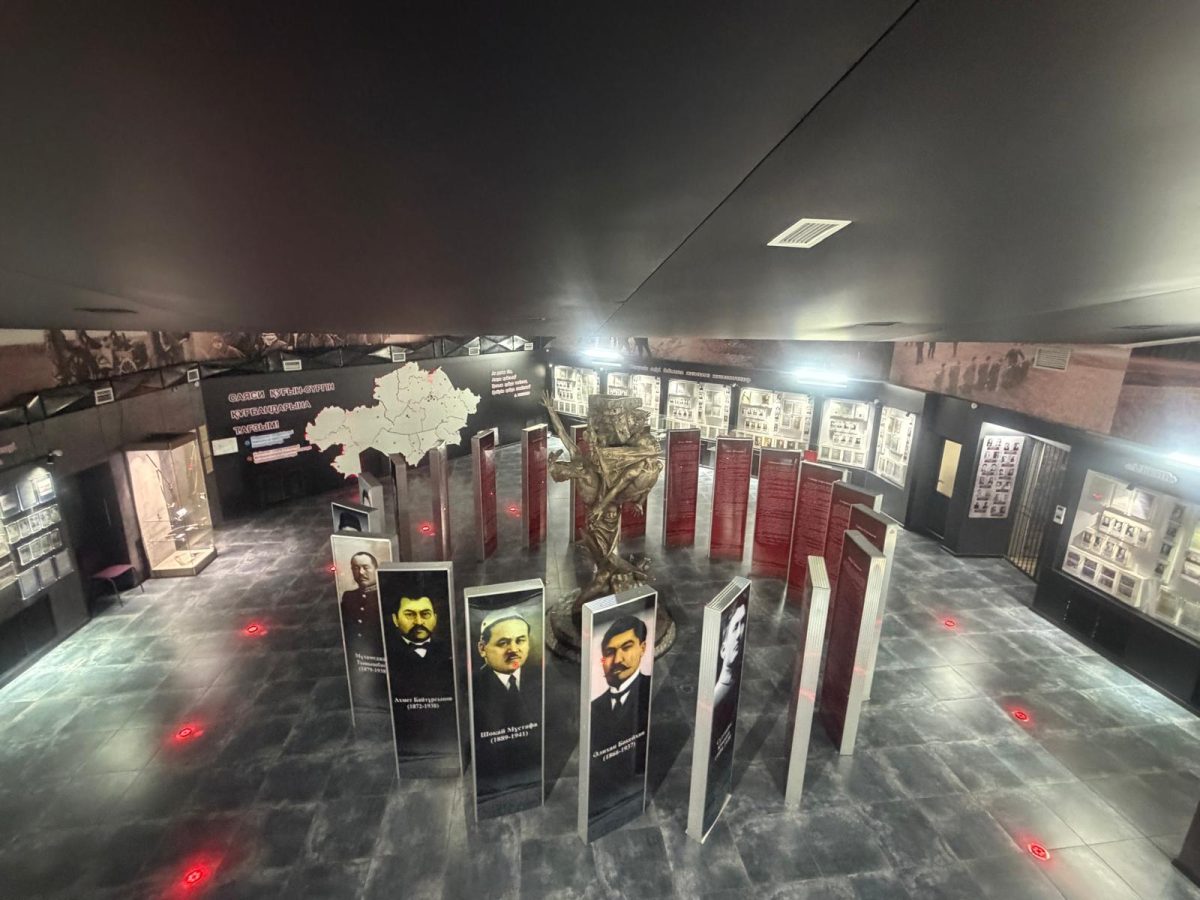
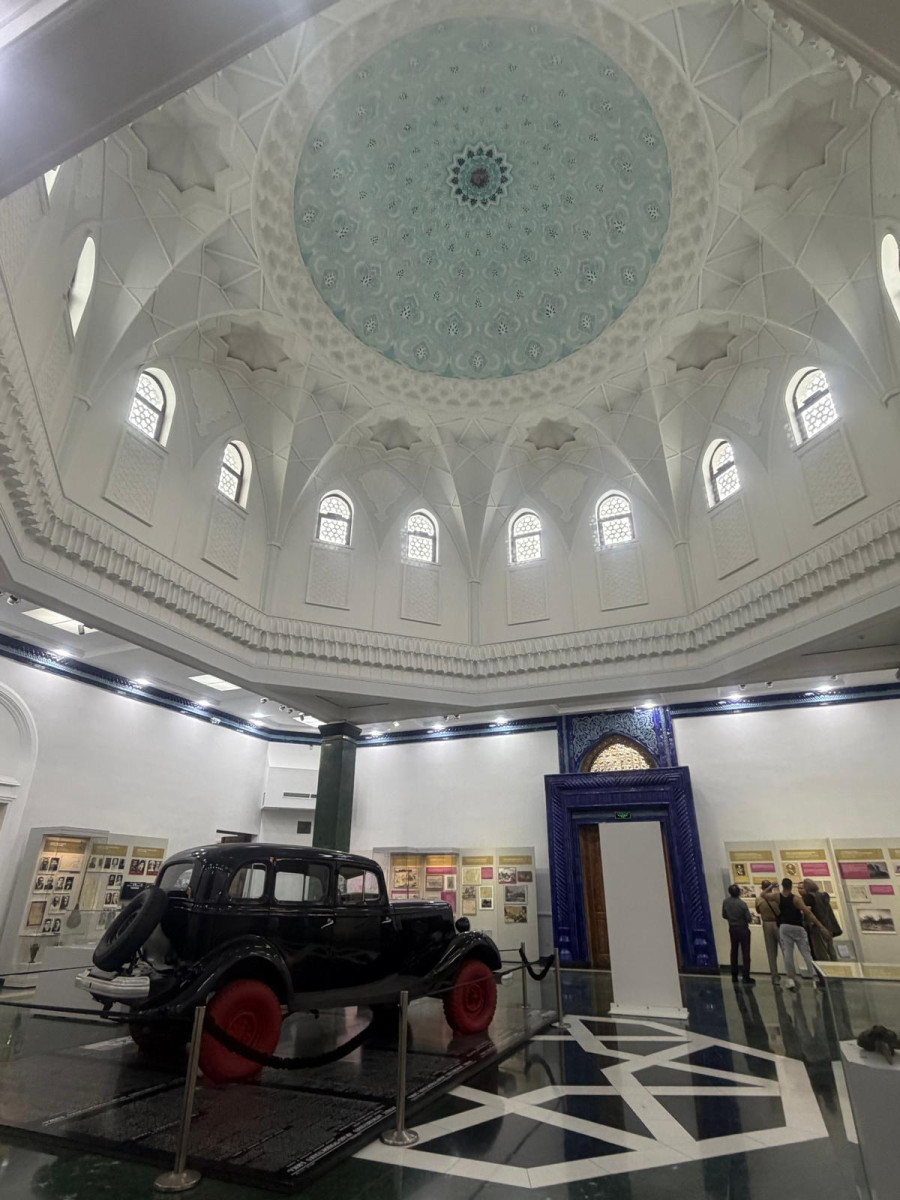
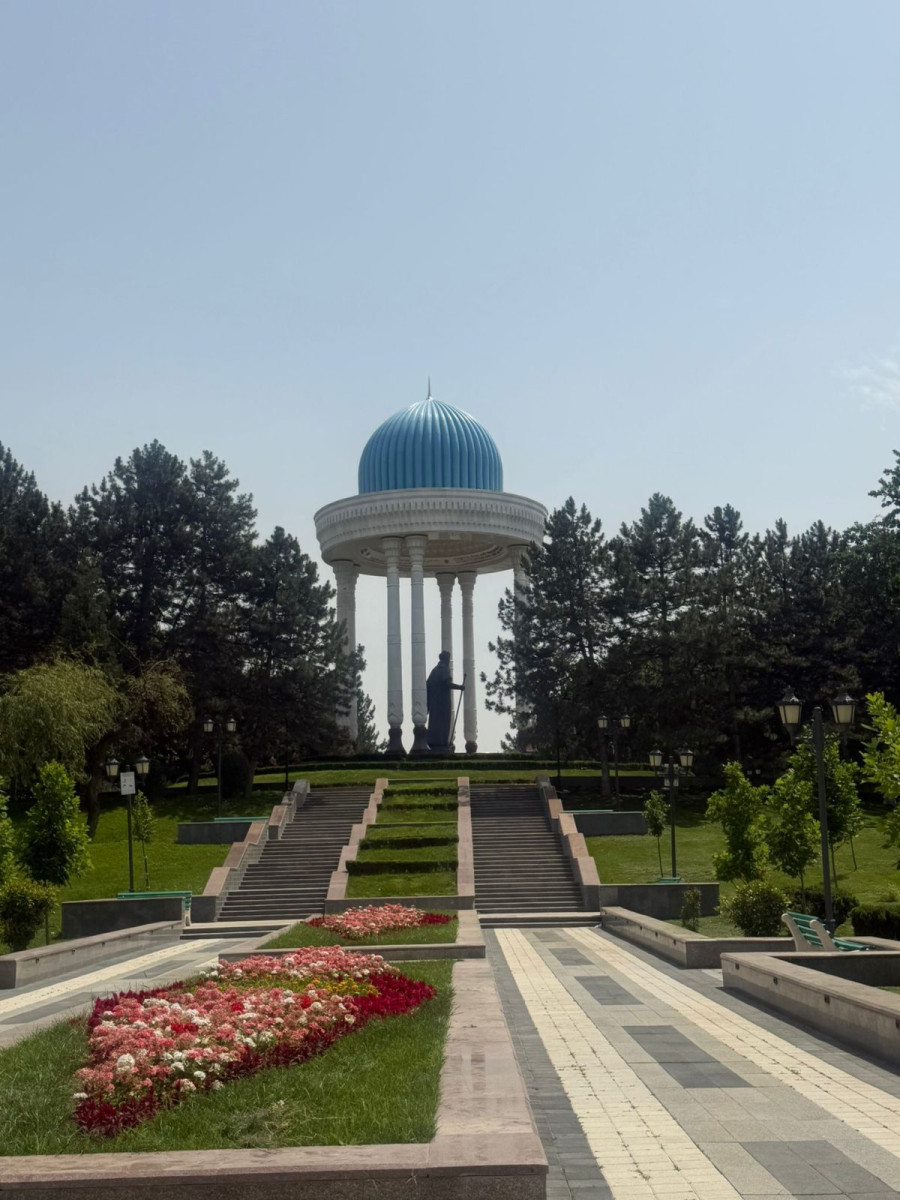
The Museum of the Victims of Communist Repression offers a compelling insight into one of the most difficult chapters of the country’s modern history, preserving the memory of those who suffered political repression and persecution. After Uzbekistan declared its independence in 1991 the country decided to restore memory of those called ‘’enemies of the people’’ who were innocently victimised, repressed during the years of Tsarist and Soviet rule and whose names were erased from the history of the Uzbek people and culture. On 12th May 1999, a commission was established to immortalise the memory of the victims and in July of the same year, based on a government decision, the charitable foundation “Shahidlar Xotirasi” (trans. – “Memory of Martyrs”) was established. As a result, the formation of exhibition materials for the future State Museum of Memory of Victims of Repression. According to the museum, more than 7,000 intellectuals were executed at this site during the Soviet repression. Next to the museum is a peaceful memorial park, with a symbolic dome and inscriptions honouring those who lost their lives in the struggle for freedom and independence.
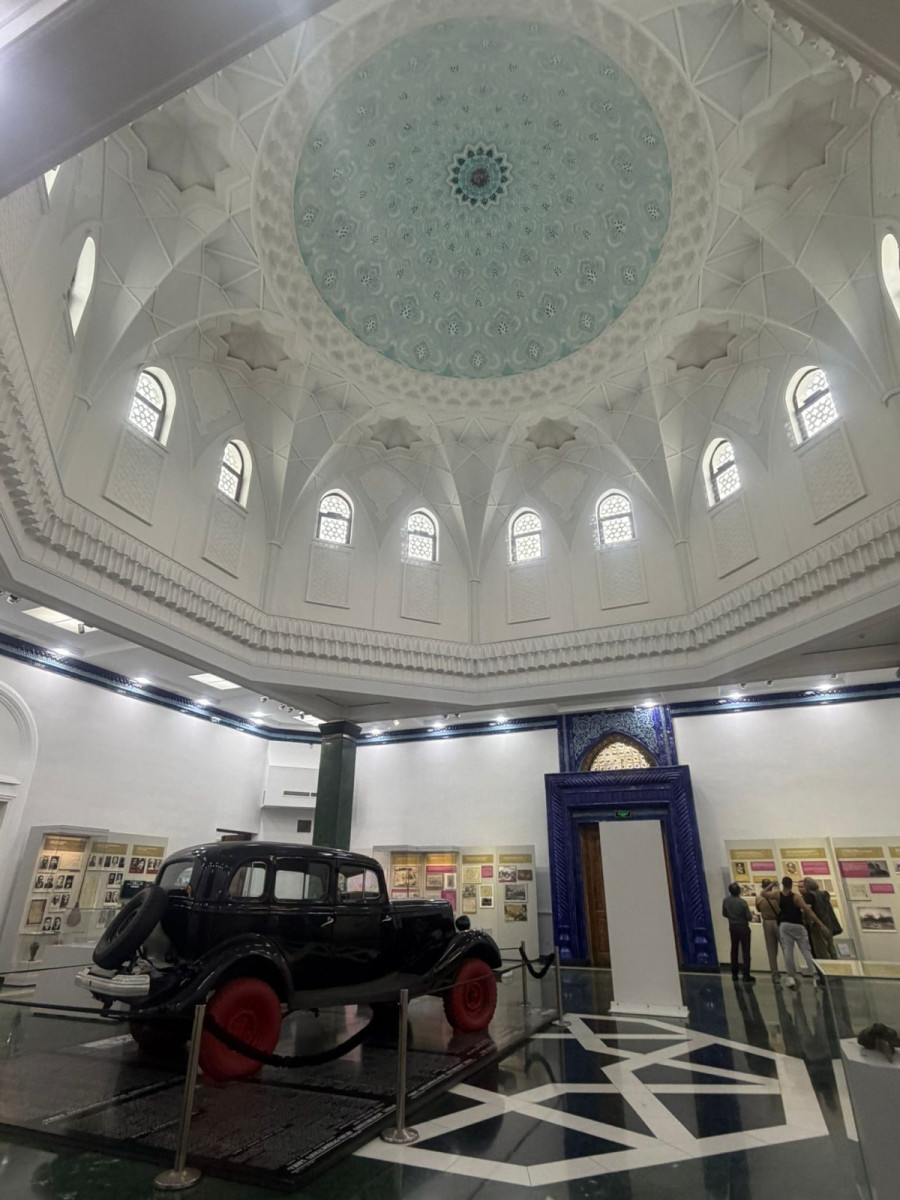
©Beata Bruggeman-Sekowska
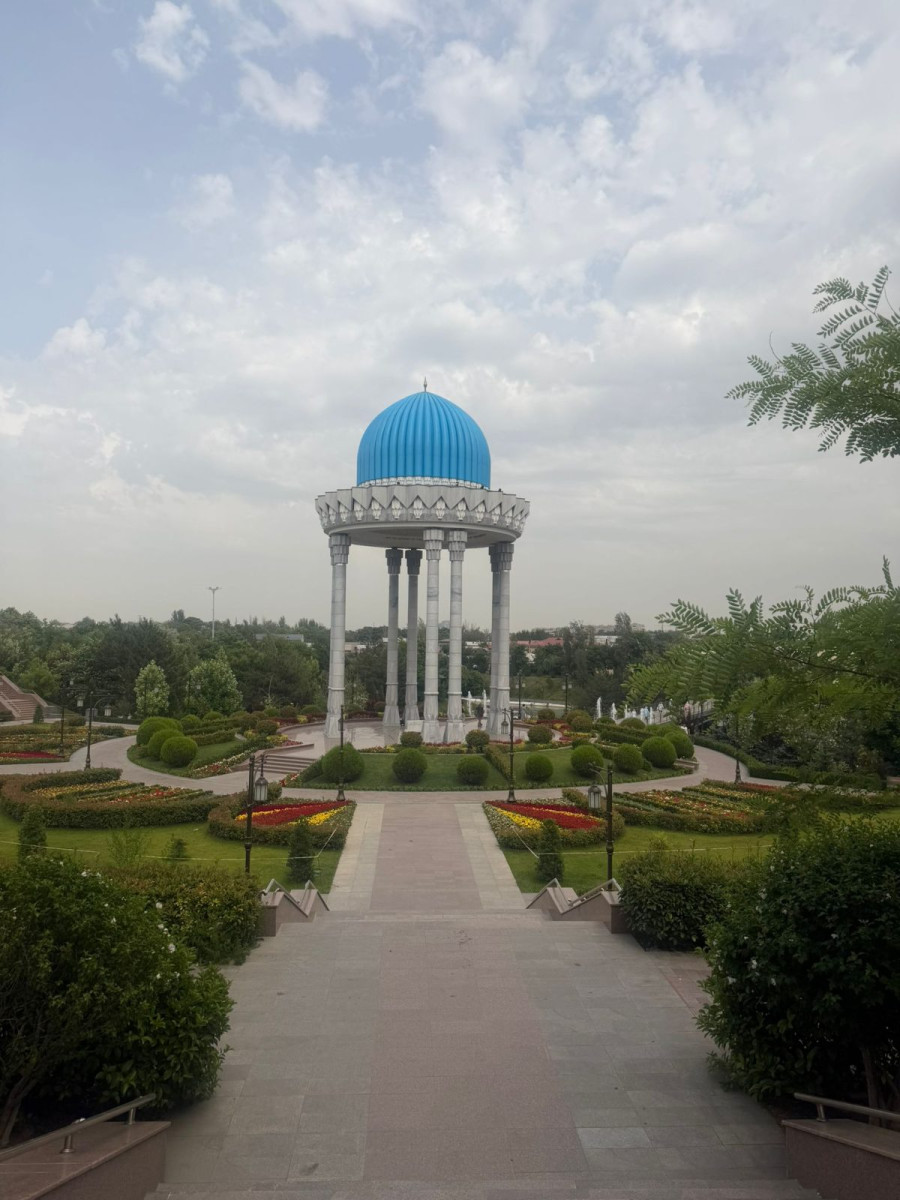
©Beata Bruggeman-Sekowska
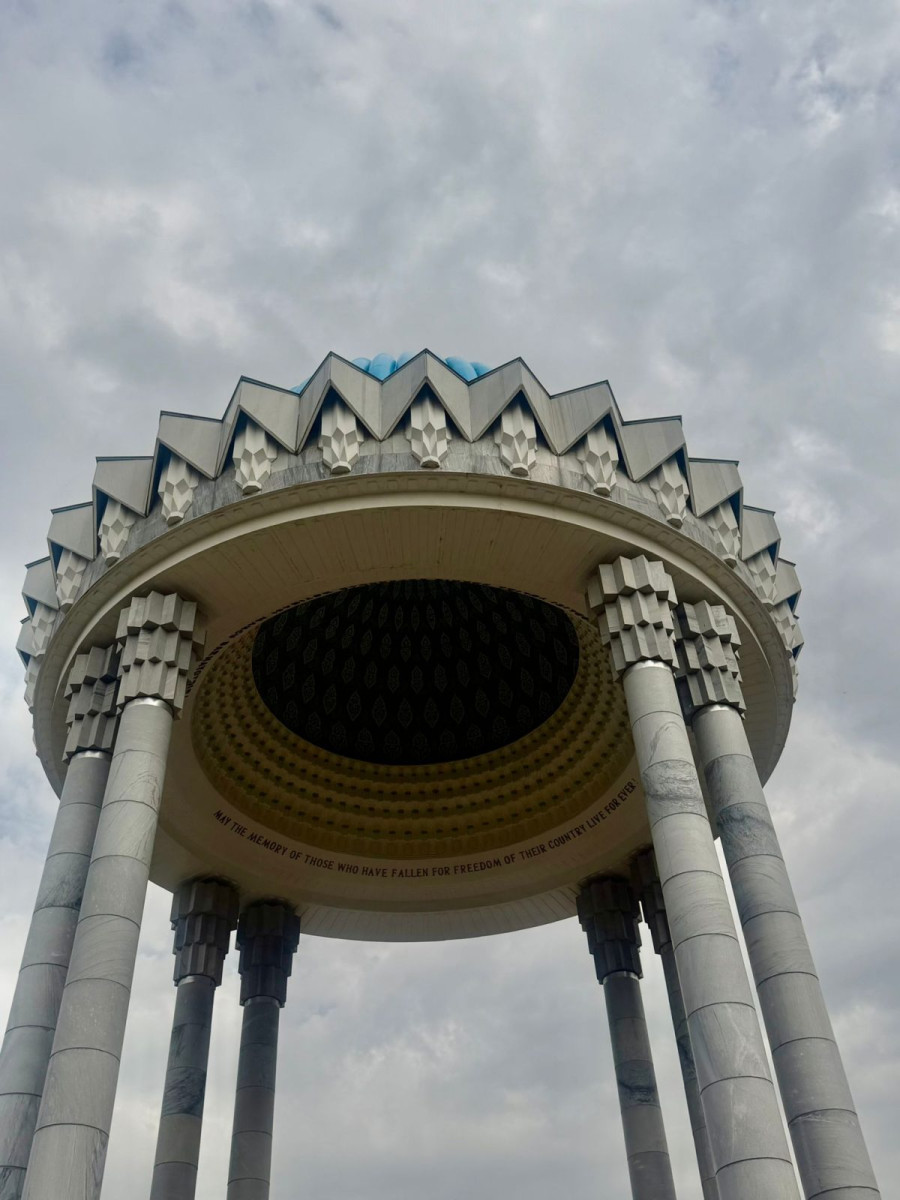
©Beata Bruggeman-Sekowska
For a completely different experience, head to Chorsu Bazaar. This is where Tashkent feels most alive. The enormous market is filled with colour, aromas and noise: spices, freshly baked bread, fruit, dried fruit, nuts and local dishes are everywhere. It is also one of the best places to see everyday life rather than simply the tourist side of the city.

©Beata Bruggeman-Sekowska

©Beata Bruggeman-Sekowska
The Hazrati Imam Complex is the religious heart of Tashkent and houses an important collection of Islamic manuscripts. Nearby, the modern Islamic Civilization Center explores the history and cultural heritage of Islam in Uzbekistan.
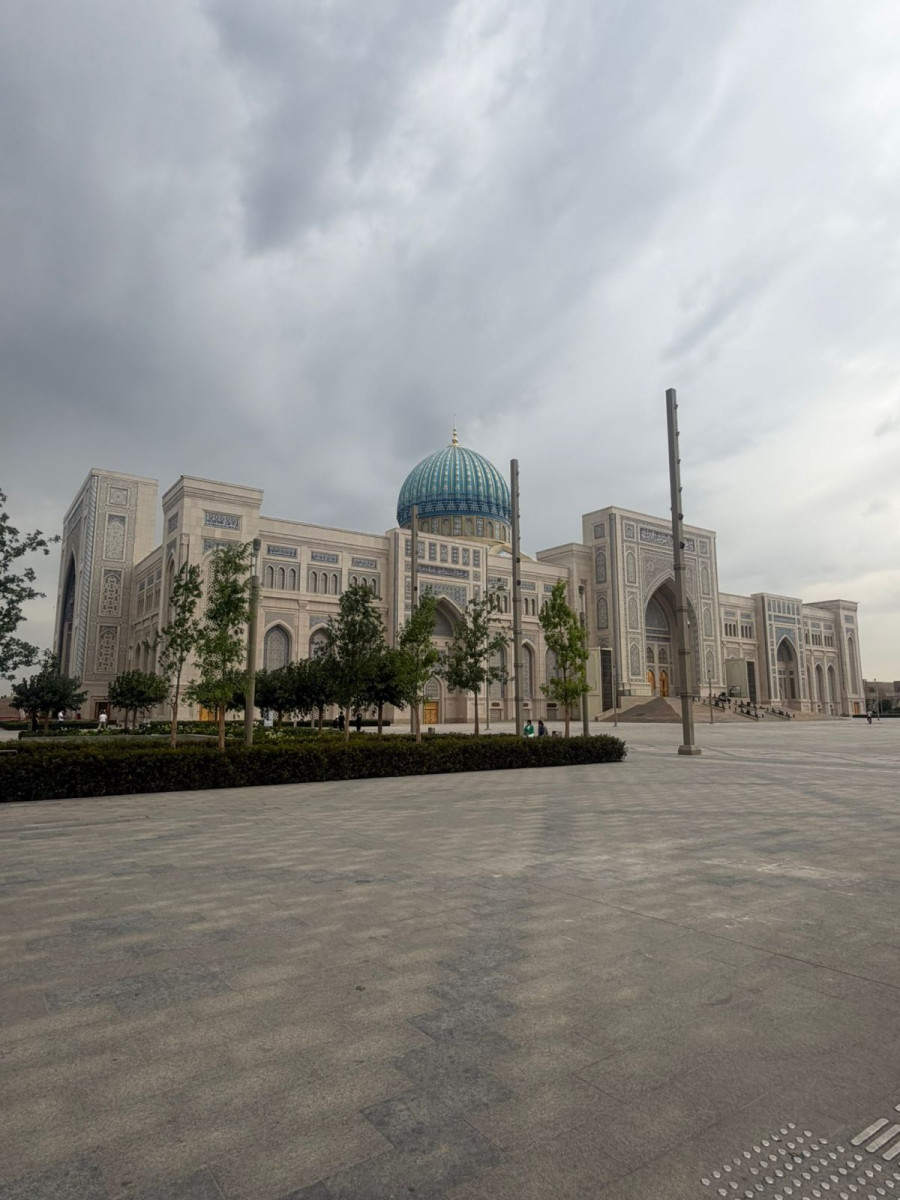
©Beata Bruggeman-Sekowska

©Beata Bruggeman-Sekowska
Tashkent also has plenty to offer outside its historical and religious landmarks.
Navoi Park is the largest park in Tashkent, filled with greenery, colorful flowers, canals, and a small lake at its center. The park was founded in 1932 by the Komsomol, the Soviet Union’s communist youth organization, which was involved in many public projects during that era. Today, the park features a monument to the famous Uzbek poet Alisher Navoi in its center. From there, visitors can also see the impressive dome of the Oliy Majlis, the parliament of Uzbekistan and the country’s main legislative building.
©Beata Bruggeman-Sekowska
Memorial Square honors Uzbek soldiers and national heroes, while Mustaqillik Maydoni, or Independence Square, became the symbolic heart of the country after Uzbekistan gained independence in 1991. It is also one of the largest squares in Central Asia.
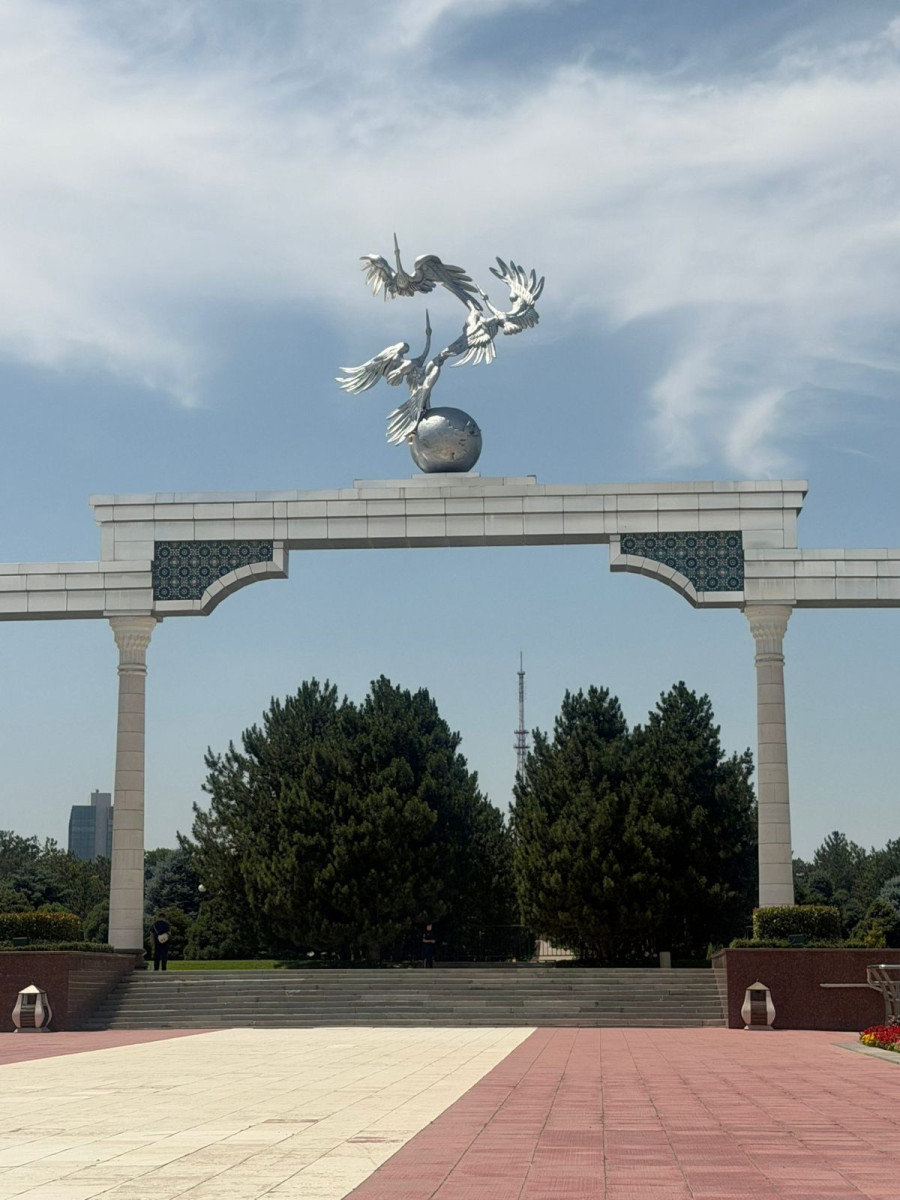
Independence Square. ©Beata Bruggeman-Sekowska
Amir Timur Square dates back to 1882 and was later renamed after the famous ruler Amir Timur. His impressive statue stands in the centre, surrounded by greenery and some of Tashkent’s most important buildings.One of them is the Uzbekistan Hotel, built in 1974 during the Soviet period. Its 17-storey structure and distinctive geometric façade have made it one of the city’s recognisable landmarks.

©Beata Bruggeman-Sekowska

©Beata Bruggeman-Sekowska

©Beata Bruggeman-Sekowska
Tashkent’s metro: underground works of art
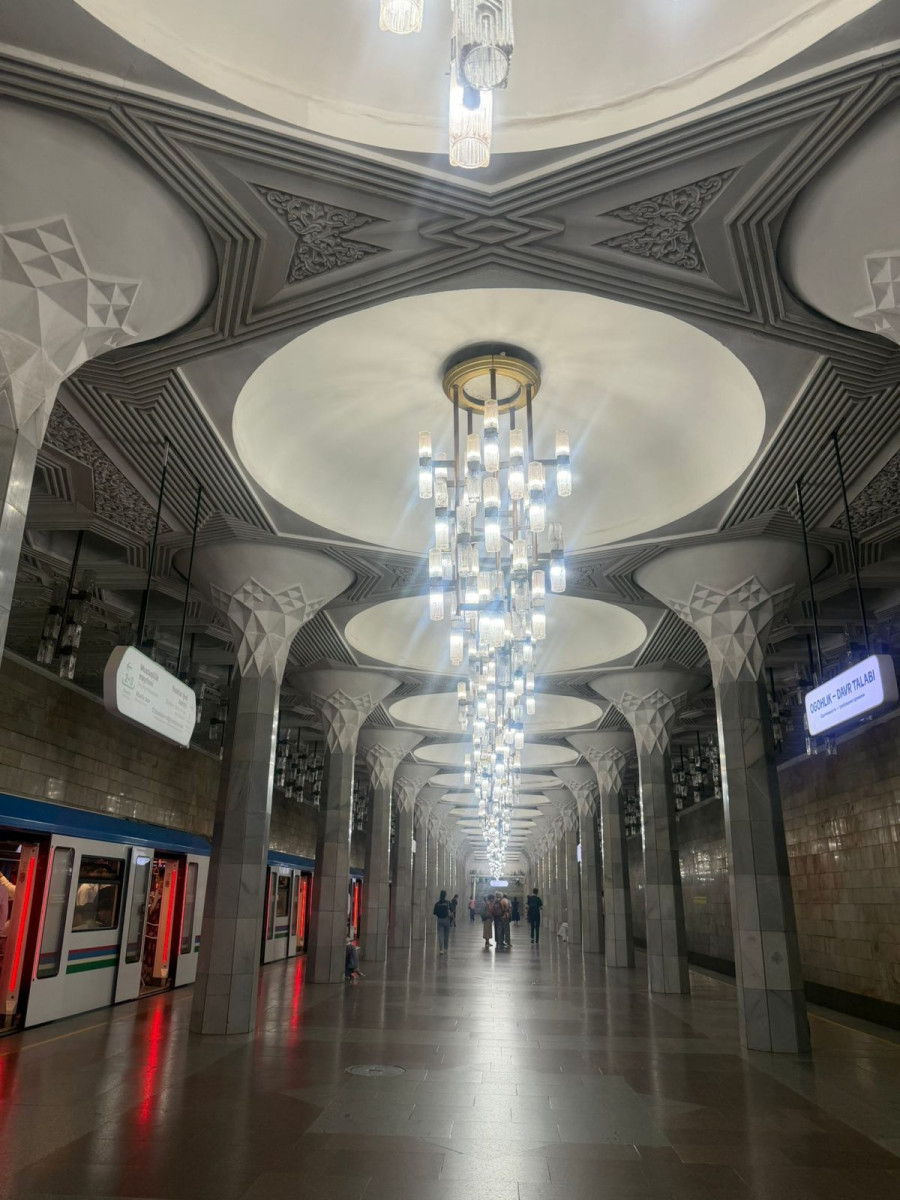
One of my favourite discoveries in Tashkent was the metro. It is often described as one of the most beautiful metro systems in the world and after seeing it for myself, I can understand why. Some stations feel less like public transport and more like underground museums or palace interiors.
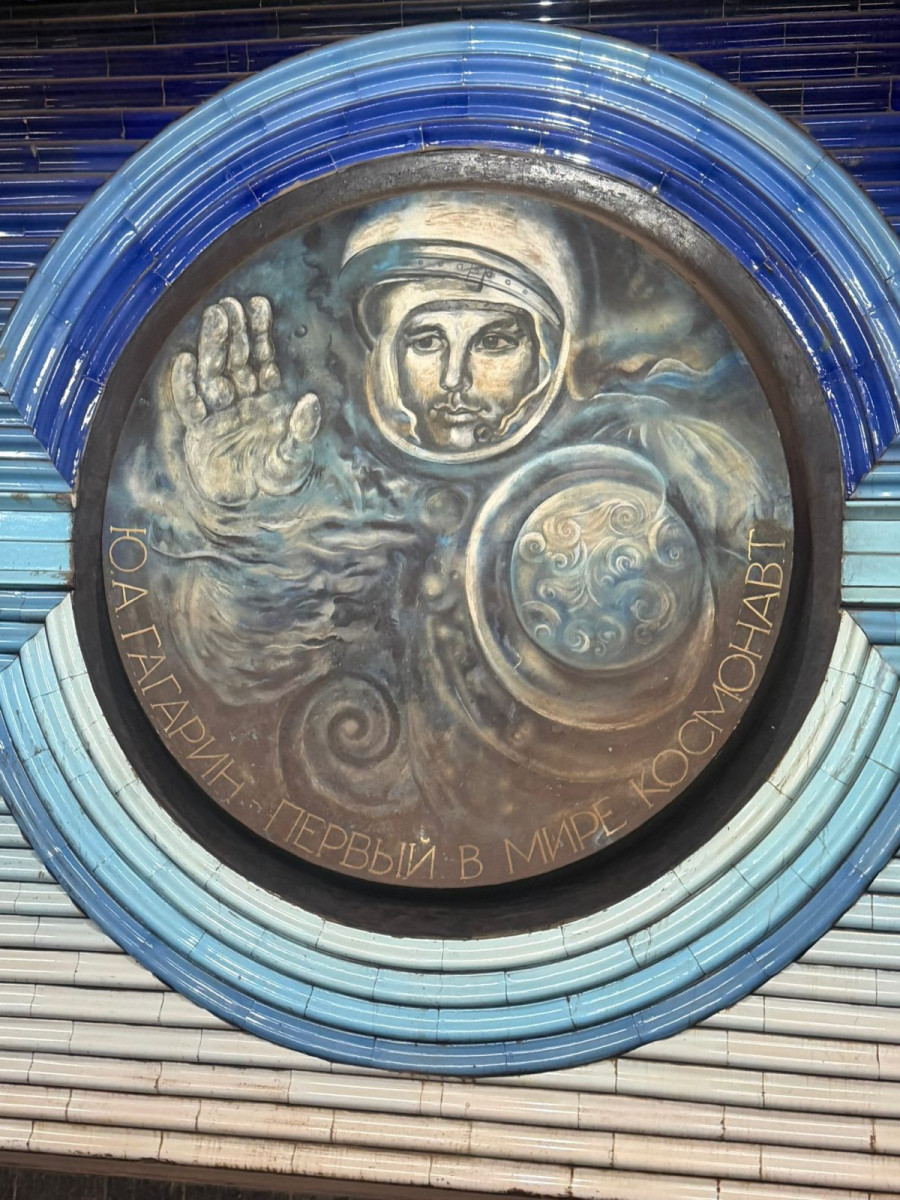
Kosmonavtlar Station, opened in 1984, has a striking space theme, with deep blue decorations and portraits of astronauts. Alisher Navoi Station, also opened in 1984, is decorated with elegant chandeliers and traditional Uzbek artistic details inspired by the famous poet.
Pakhtakor Station, opened in 1977, reflects Uzbekistan’s long association with cotton growing, while Mustaqillik Maydoni Station combines white marble columns with a more classical design. It is located directly beside Independence Square. The metro is not just a practical way to get around Tashkent. It is an attraction in its own right, and exploring several stations is well worth the time.
©Beata Bruggeman-Sekowska
©Beata Bruggeman-Sekowska
Modern Tashkent
Tashkent is not only about history. The city is changing quickly, and modern entertainment and shopping areas are becoming an increasingly visible part of everyday life.
Magic City is one of the most colourful examples. Opened in 2021, it resembles a miniature fantasy city, complete with colourful castles, canals, music and spectacular evening light shows. There is also an aquarium, cafés and attractions for different age groups. It is particularly lively in the evening.
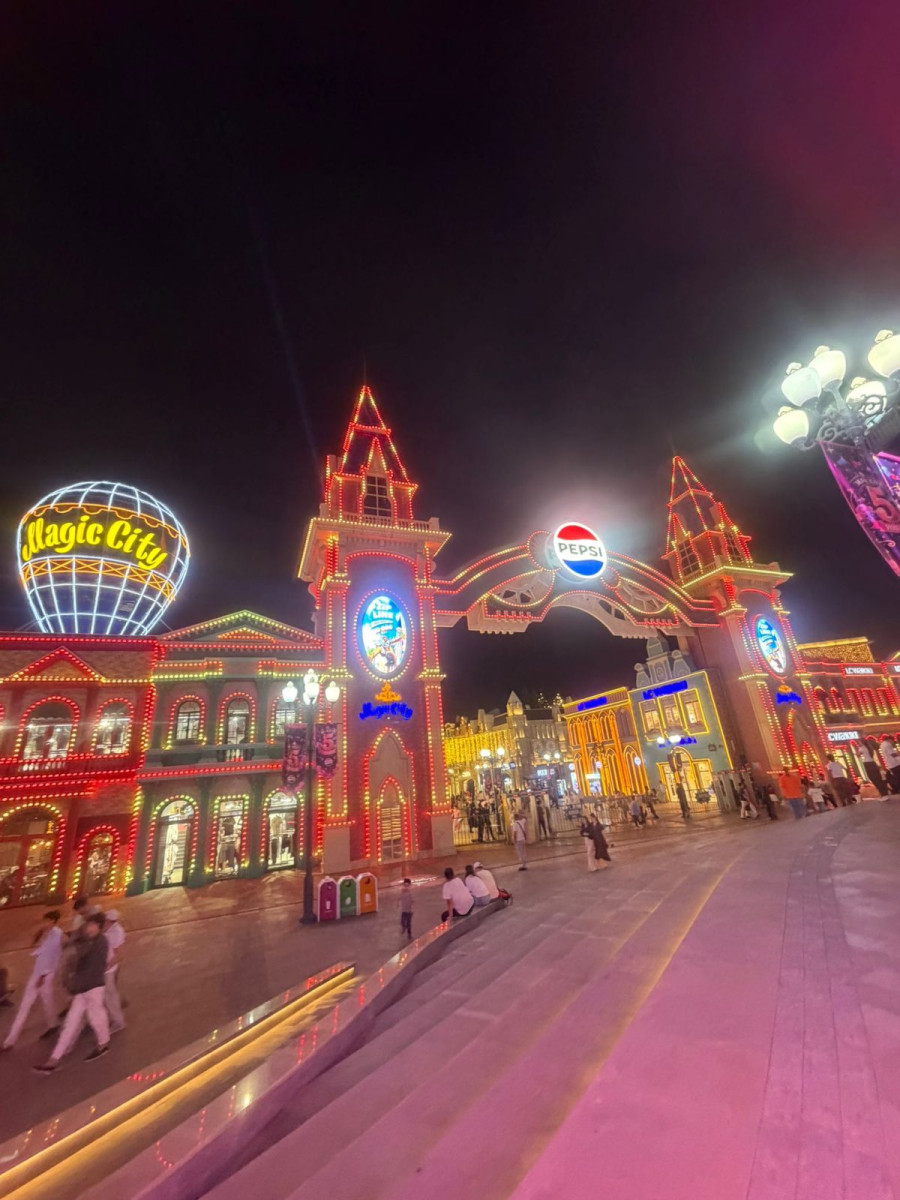
©Beata Bruggeman-Sekowska
Seoul Mun offers something completely different. Popular with younger locals, this lively area draws inspiration from Korean culture and is packed with restaurants, street food, cafés and neon lights. For a moment, it can feel as though you have stepped into another modern Asian city.
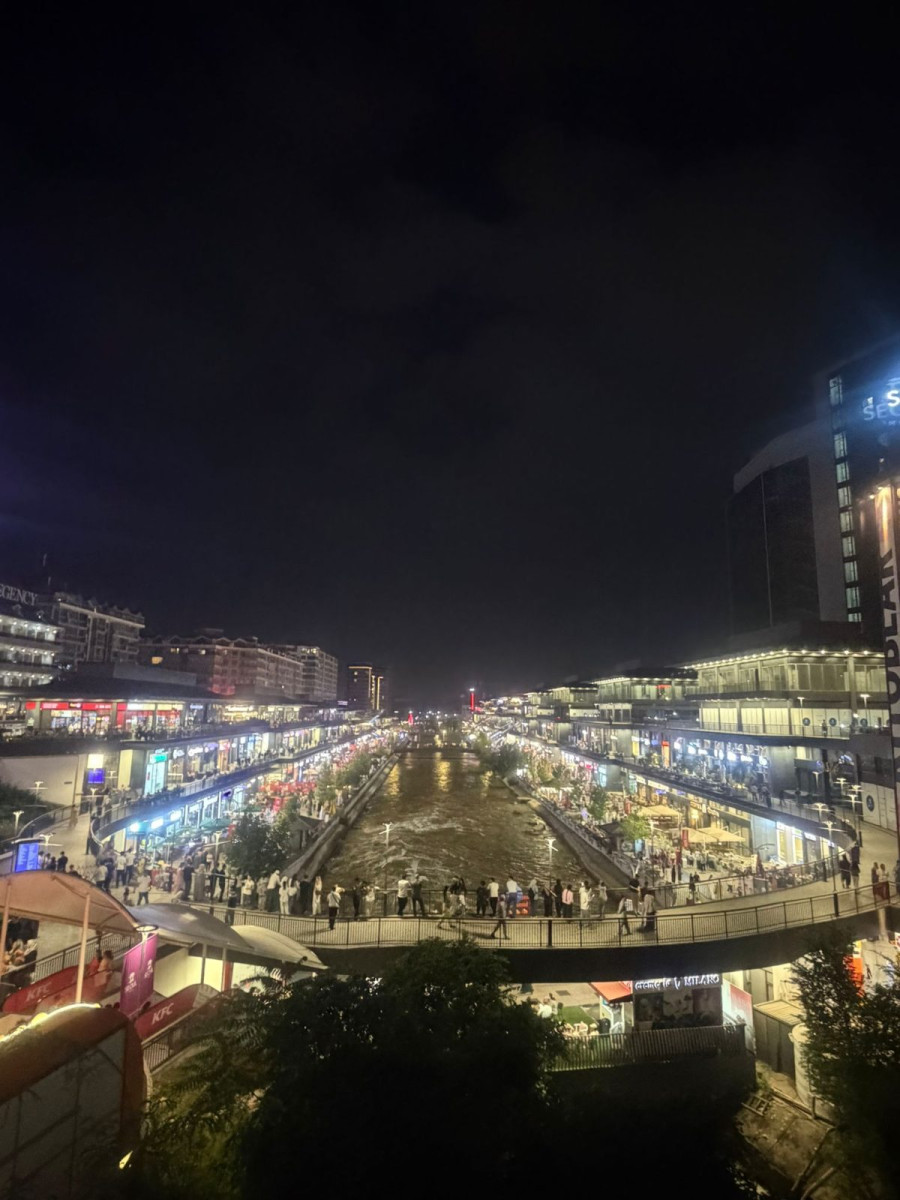
©Beata Bruggeman-Sekowska
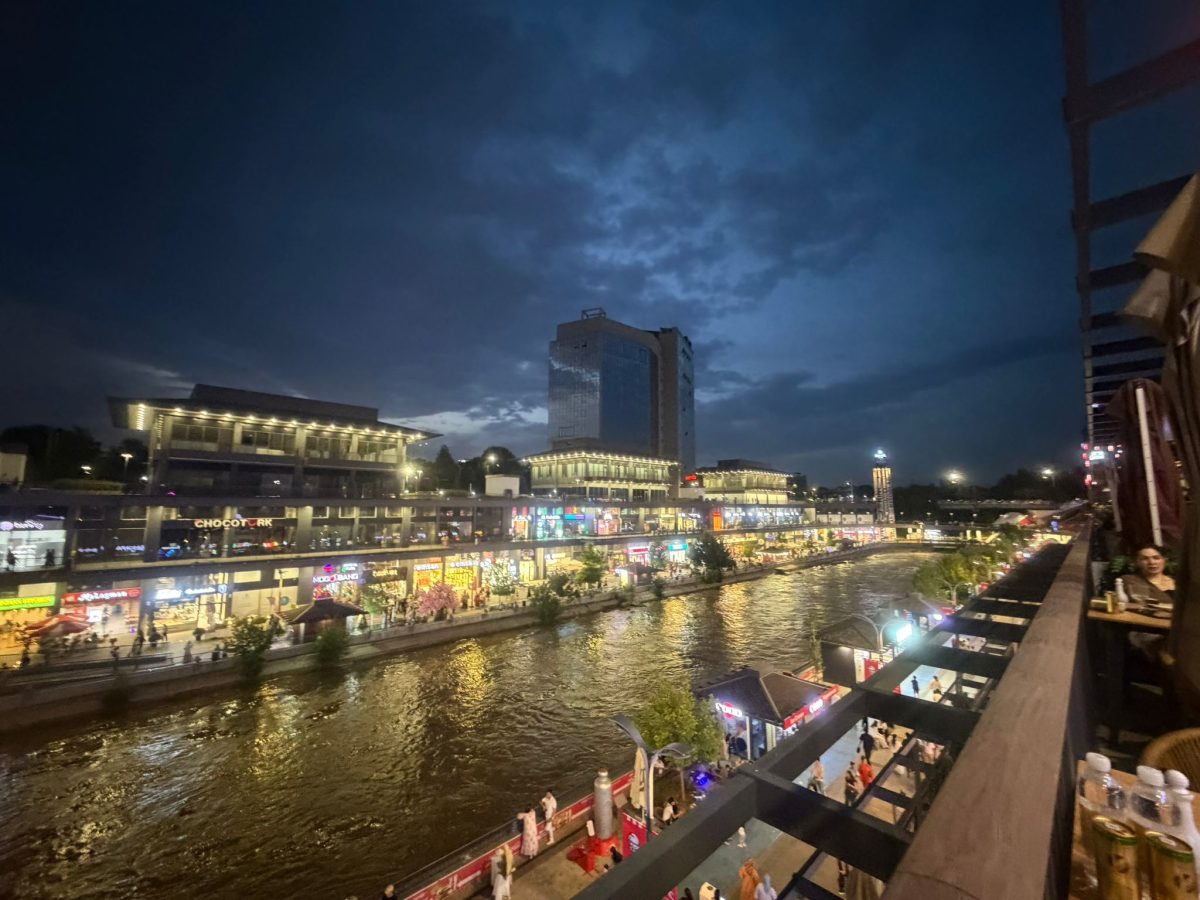
©Beata Bruggeman-Sekowska
Tashkent City Mall is another sign of the city’s rapid modernisation. With contemporary architecture, international brands, cafés and entertainment spaces, it has quickly become a popular place to shop, eat or simply spend some time away from the heat.
From Tashkent to Samarkand
From Tashkent, Samarkand can be reached in less than two hours by high-speed train. The trains are modern, clean and comfortable, with good service and plenty of space for luggage, including larger suitcases. Tickets can be booked online and I would recommend doing this in advance. Popular departures can sell out quickly, particularly during busy travel periods.
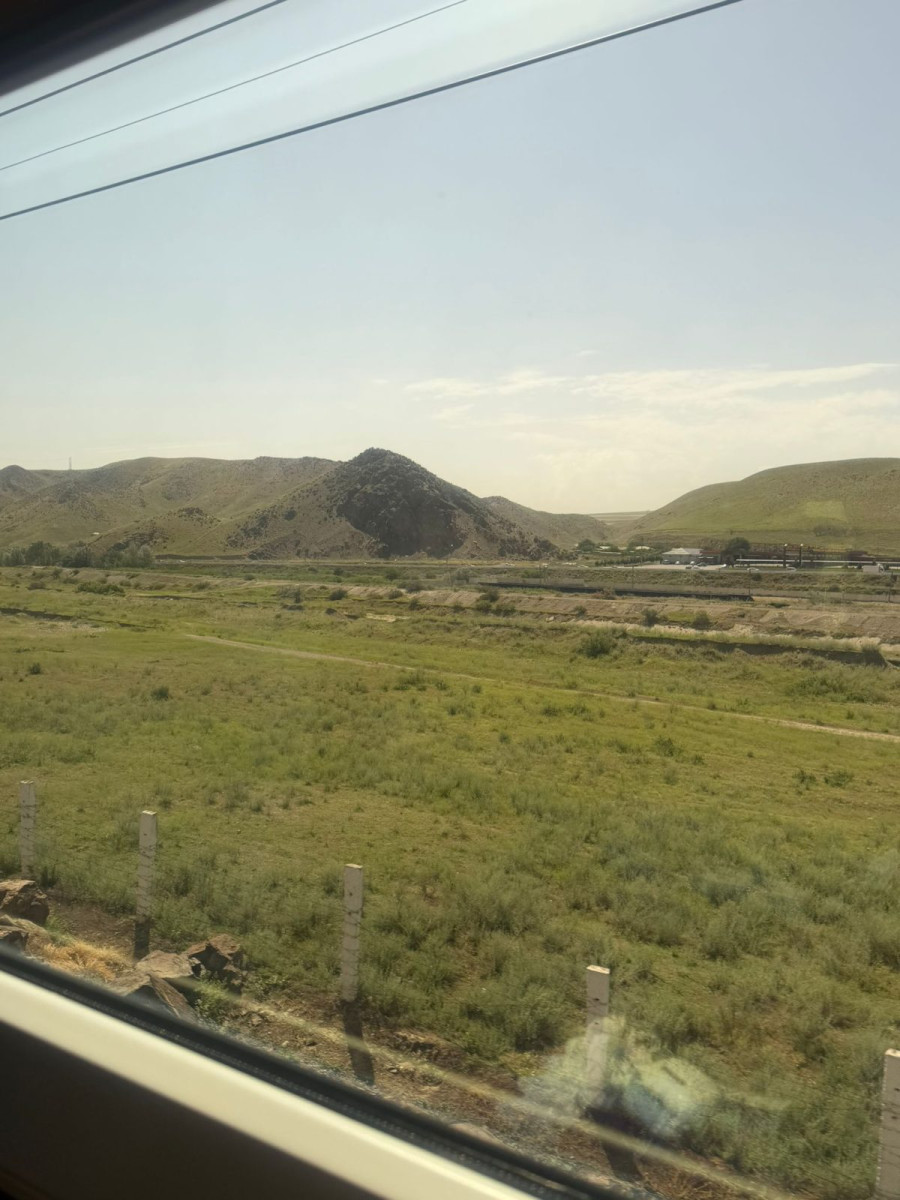
View from the fast train. ©Beata Bruggeman-Sekowska
Even Samarkand’s railway station is worth a look. Its spacious modern architecture, clean interiors and large glass façades create a surprisingly impressive arrival point for a city with a history stretching back thousands of years. It feels almost symbolic, a modern gateway to one of the great cities of the ancient Silk Road.

©Beata Bruggeman-Sekowska
Samarkand: following the Silk Road
Samarkand is one of the oldest continuously inhabited cities in the world, with a history stretching back more than 2,700 years and is a cultural capital of the Islamic world. Its location turned it into one of the great centres of the Silk Road, the network of ancient trade routes linking China, Central Asia, Persia and Europe.
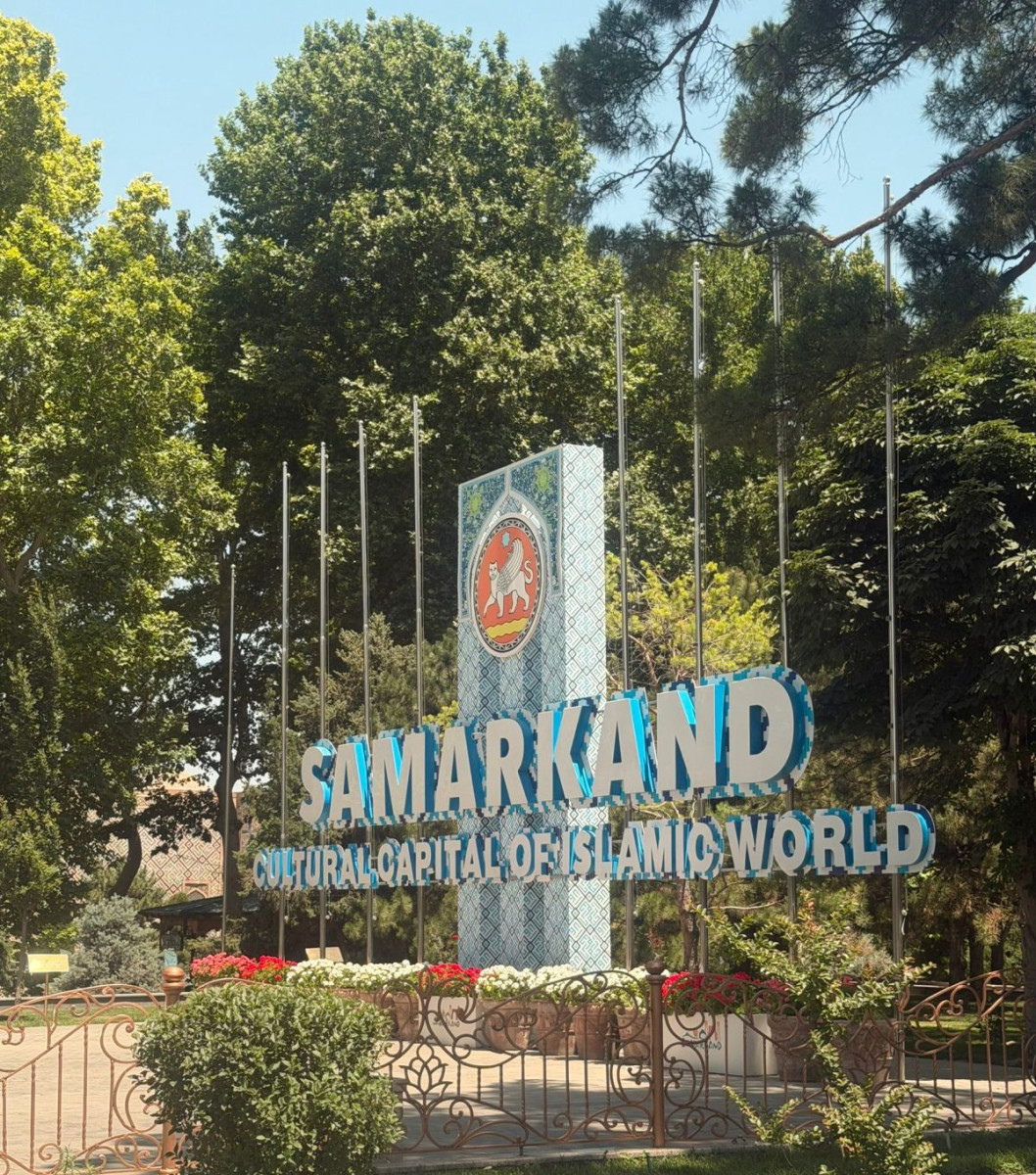
Merchants, scholars and travellers passed through Samarkand, bringing not only goods but also ideas, science and culture. That mixture of influences can still be felt in the city today.
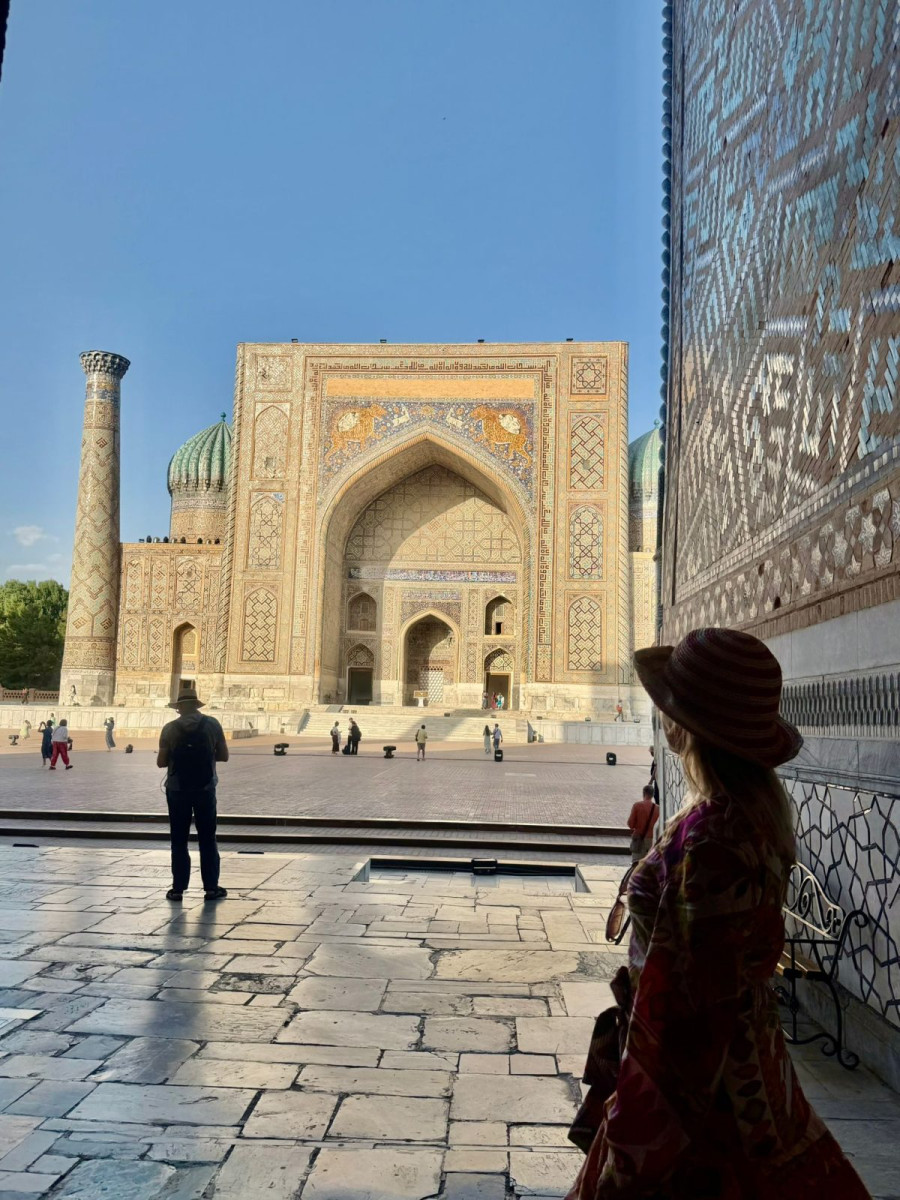
The undisputed highlight is Registan Square. Three magnificent madrasas surround the square, covered in intricate blue and turquoise tiles. It is one of those places that is difficult to capture properly in photographs because the scale is so impressive when you are standing there. During the day, the architecture and decoration are breathtaking. In the evening, the illuminated façades create a completely different atmosphere. Early morning is perhaps the most peaceful time to visit, before the crowds arrive.
©Beata Bruggeman-Sekowska

©Beata Bruggeman-Sekowska
©Beata Bruggeman-Sekowska
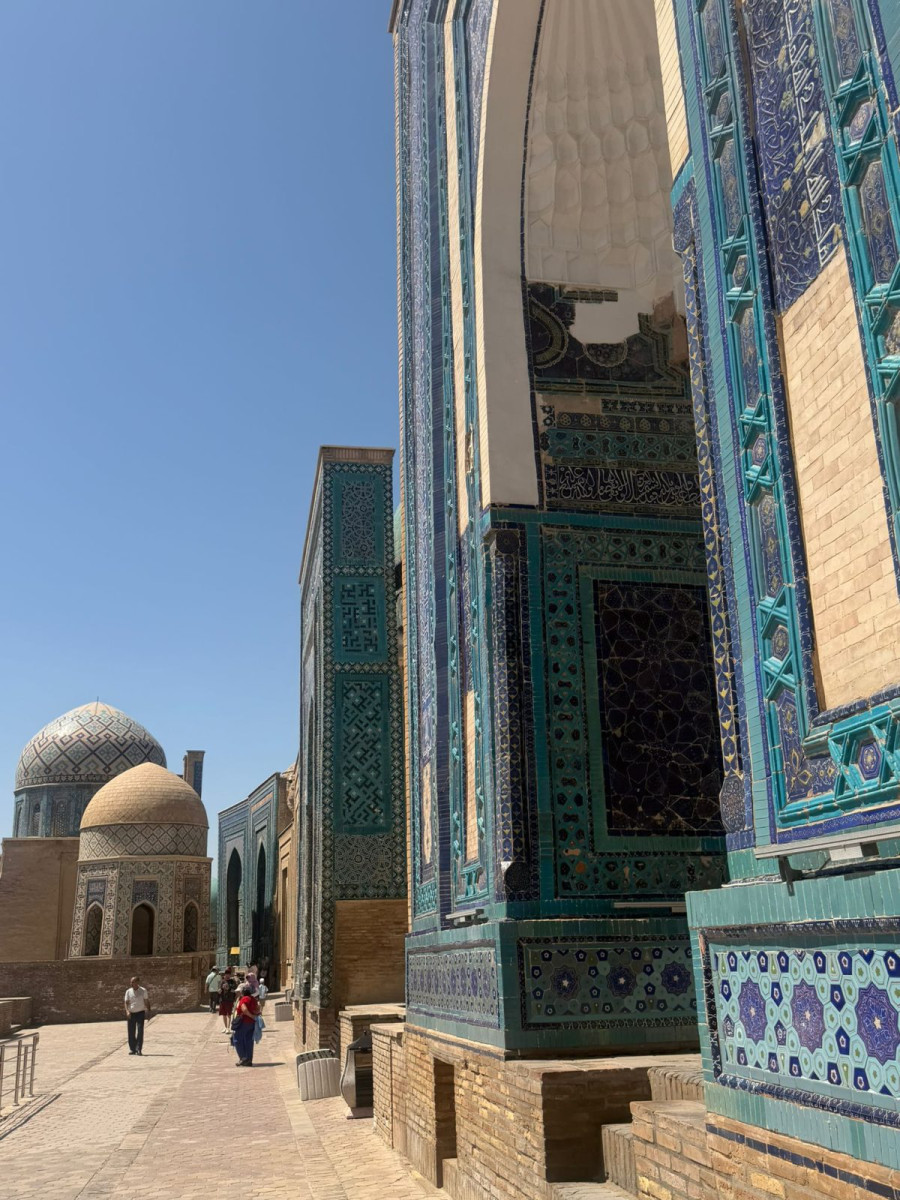
We also visited Shah-i-Zinda, a remarkable avenue of blue-tiled mausoleums known as the “Tomb of the Living King”. The colours, patterns and incredible attention to detail make it one of the most beautiful places in Samarkand.
©Beata Bruggeman-Sekowska
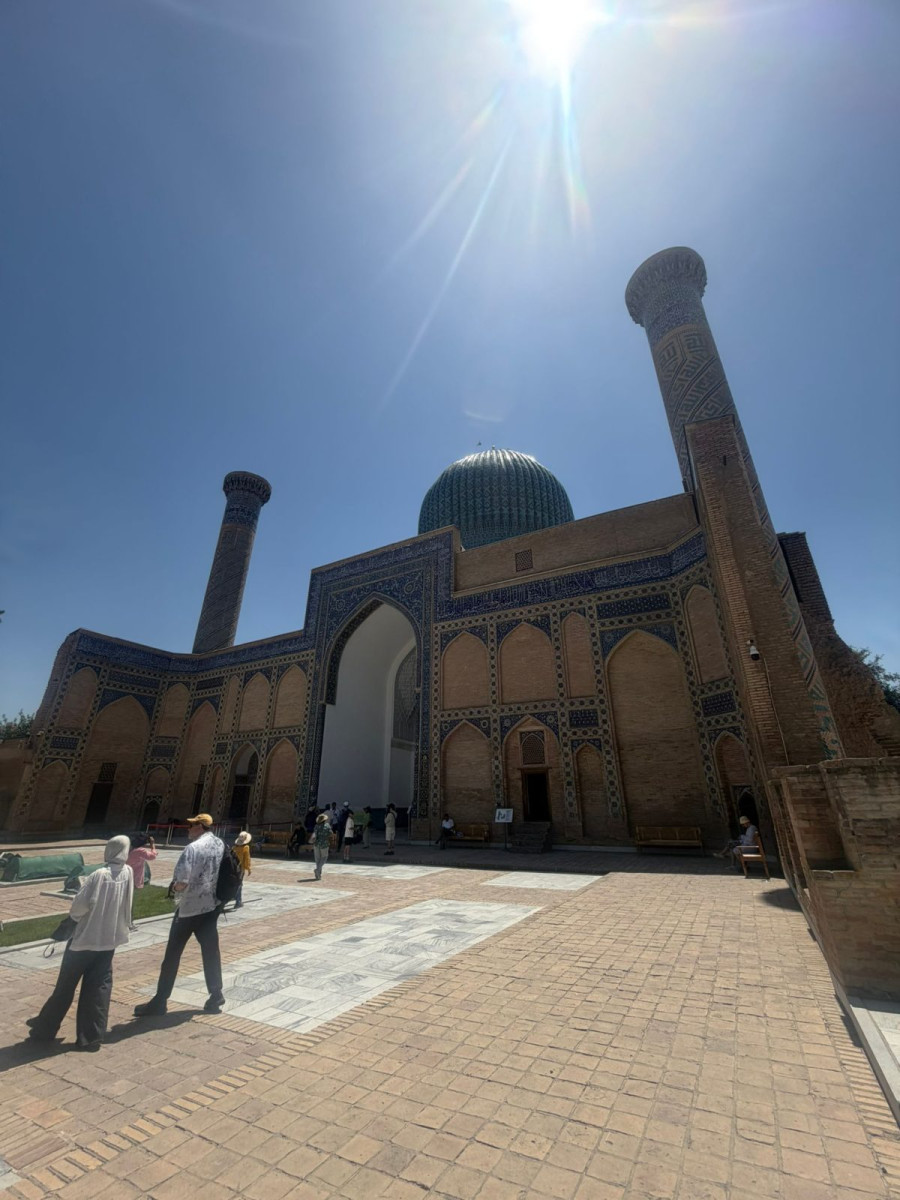
Gur-e-Amir is the elegant mausoleum of Timur, also known as Tamerlane, and his family. Its famous turquoise dome has become one of the architectural symbols of Samarkand.
©Beata Bruggeman-Sekowska
©Beata Bruggeman-Sekowska
Another fascinating site was the Ulugh Beg Observatory, built in the 15th century by Timur’s grandson, Ulugh Beg. He was not only a ruler but also a remarkable astronomer. Scientists working here mapped the stars with extraordinary precision, centuries before modern telescopes and technology.

©Beata Bruggeman-Sekowska
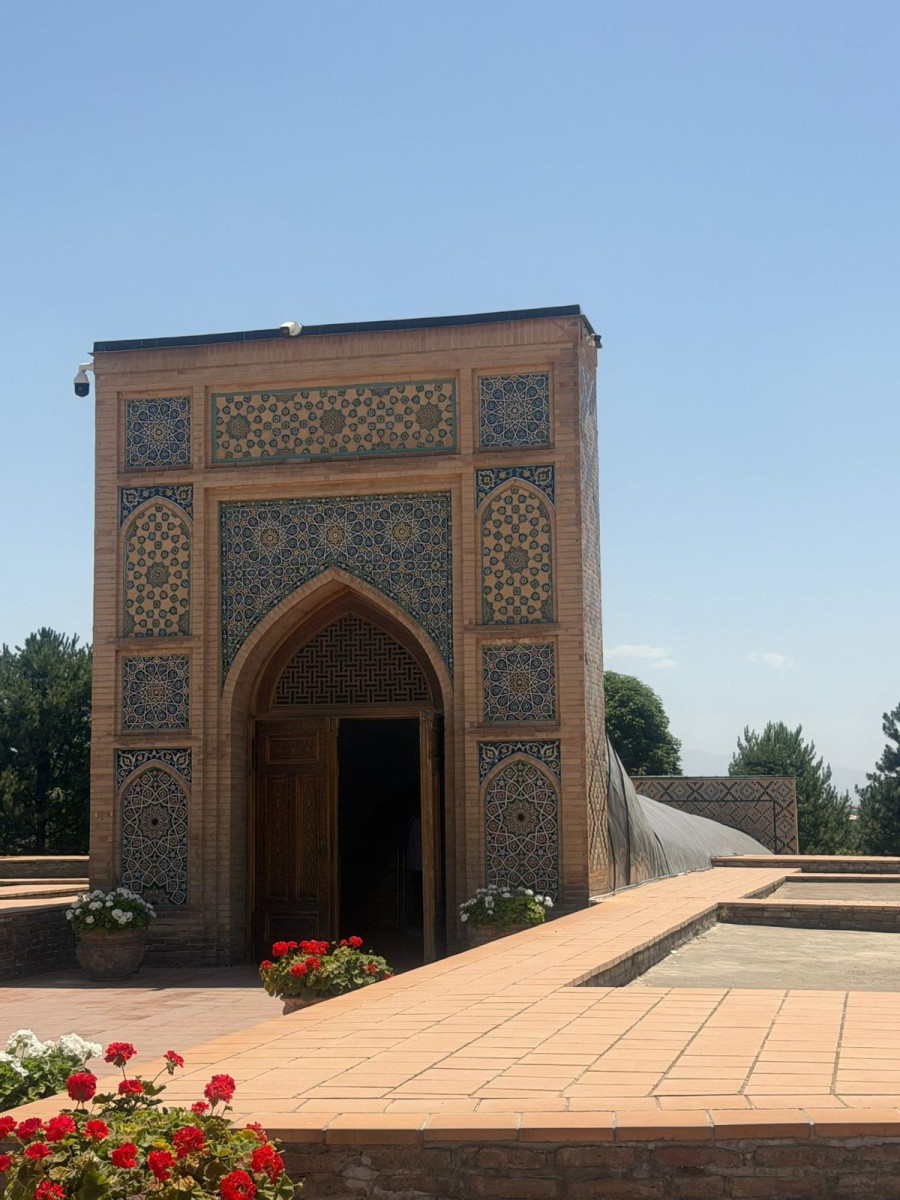
©Beata Bruggeman-Sekowska
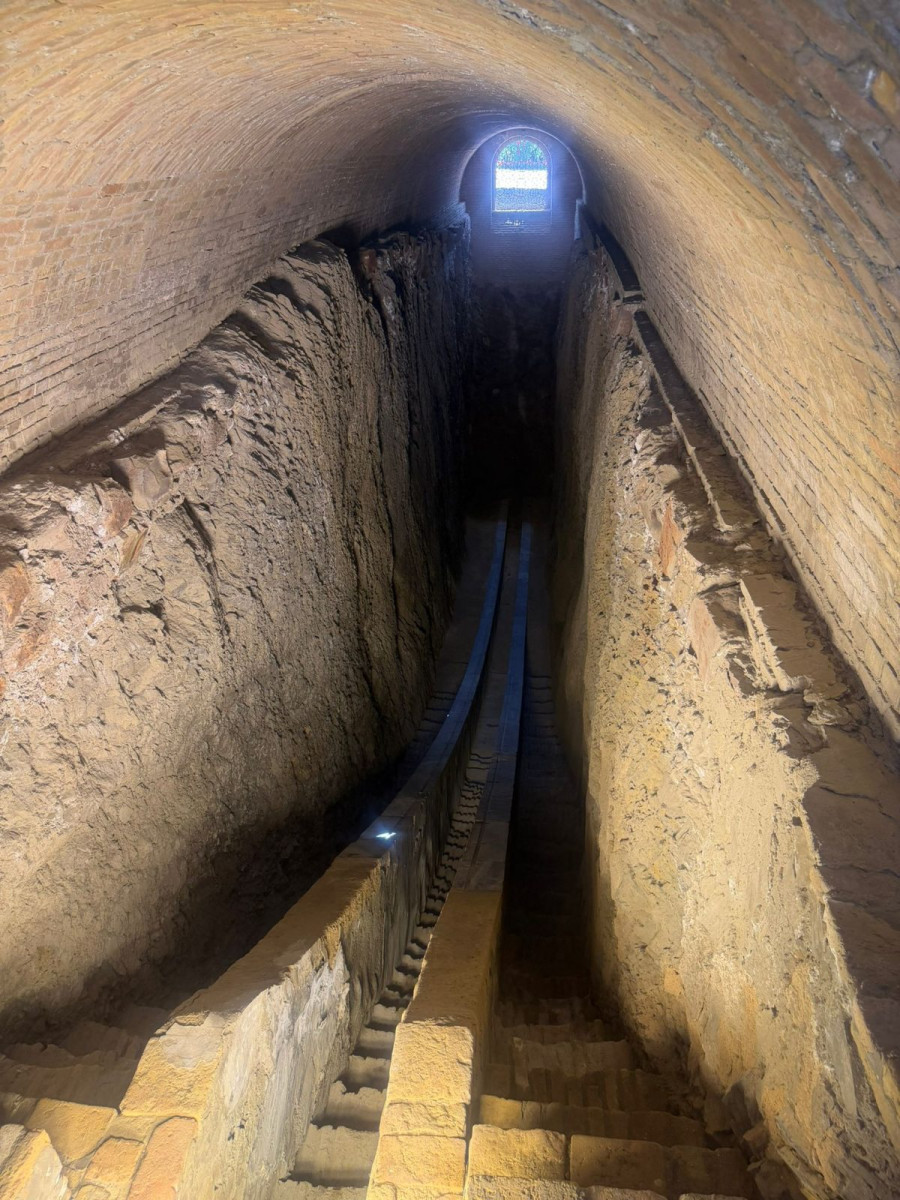
©Beata Bruggeman-Sekowska
We saw the enormous Bibi-Khanym Mosque, once one of the largest mosques in the Islamic world, and wandered through the lively Siab Bazaar, filled with spices, fresh bread, fruit and local specialities.
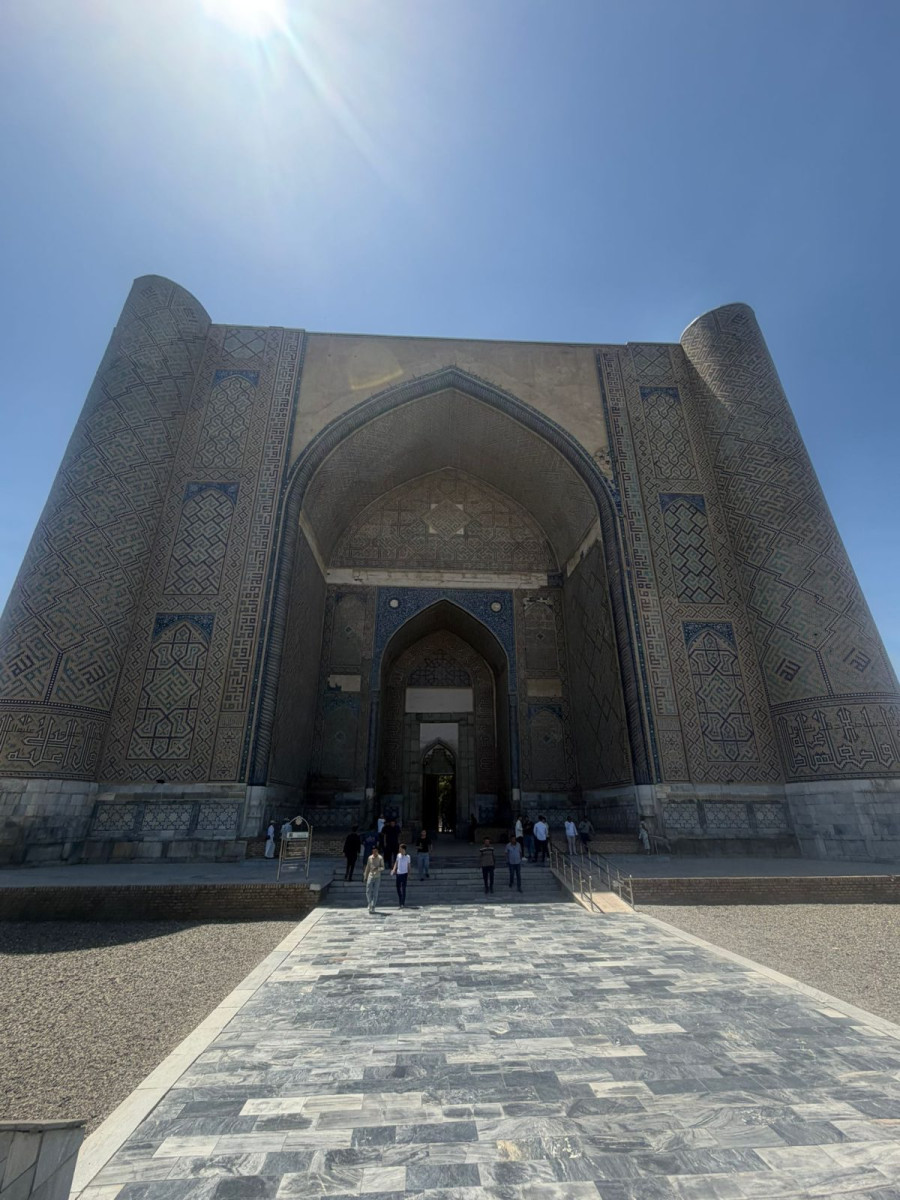
©Beata Bruggeman-Sekowska

©Beata Bruggeman-Sekowska

©Beata Bruggeman-Sekowska
We also explored the old Jewish quarter and visited the historic Gumbaz Synagogue, which has connections with Jewish families from Poland. For me, this was a particularly interesting reminder that Samarkand’s history has never belonged to just one community. Over the centuries, people of different backgrounds, religions and cultures have lived and traded here.
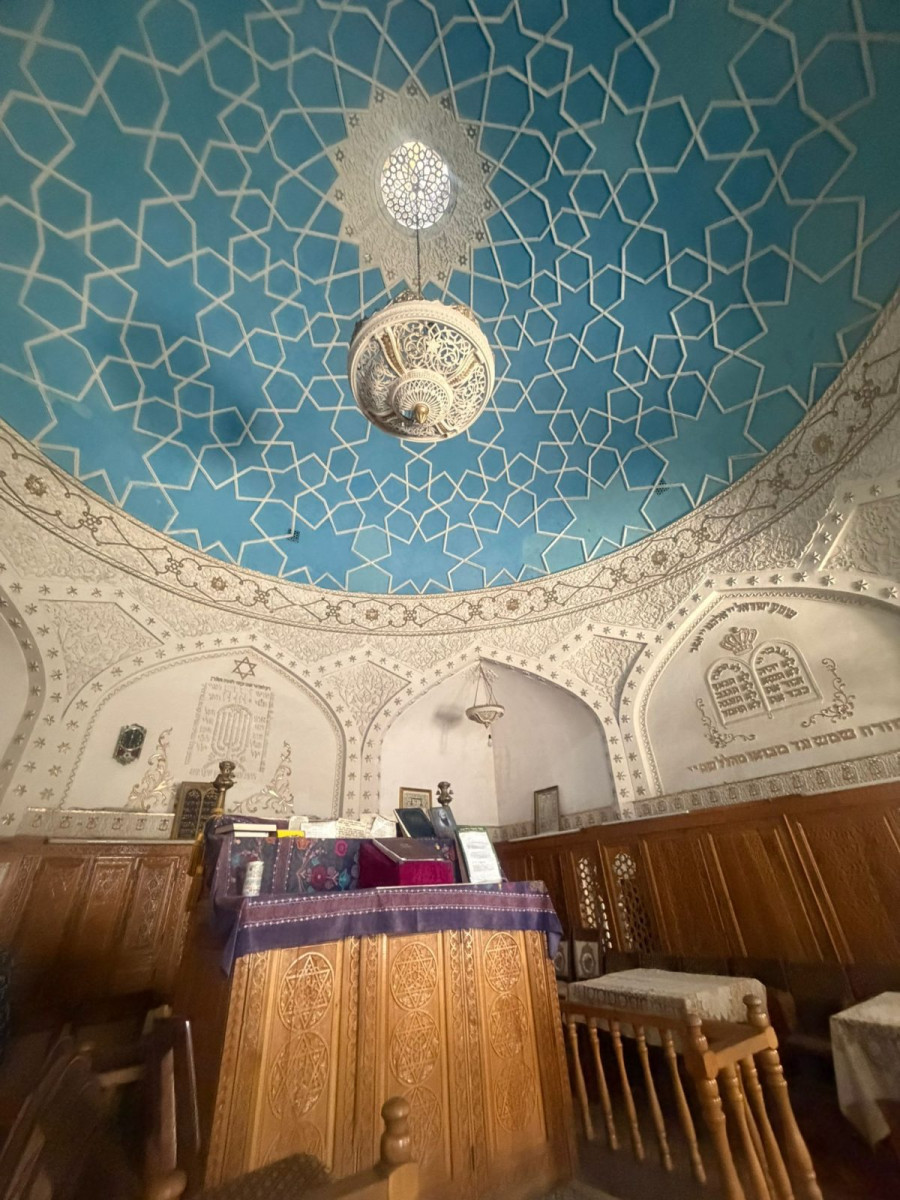
©Beata Bruggeman-Sekowska
More than monuments
Uzbekistan turned out to be much more than a destination filled with spectacular monuments. What stayed with me most was the combination of things that, at first glance, seem very different: ancient Silk Road history, Islamic heritage, Soviet architecture, rapid modern development and ordinary everyday life. Tashkent and Samarkand offer very different experiences. Tashkent feels like a modern capital still carrying visible traces of its Soviet past, while Samarkand feels much more closely connected to the history of the Silk Road.Together, however, they provide a fascinating introduction to Uzbekistan a country that deserves much more than a short stopover.

Author: Beata Bruggeman-Sękowska is an award-winning Dutch-Polish journalist and author. She is the chief editor of the Central and Eastern Europe Center and president of the European Institute on Communist Oppression. Born in Warsaw, Poland and currently residing in the Netherlands, Beata has roots in Lviv, Ukraine and has Armenian heritage.