

Remembering the Victims: Inside Kazakhstan’s Museum of Political Repression

Beata Bruggeman-Sękowska
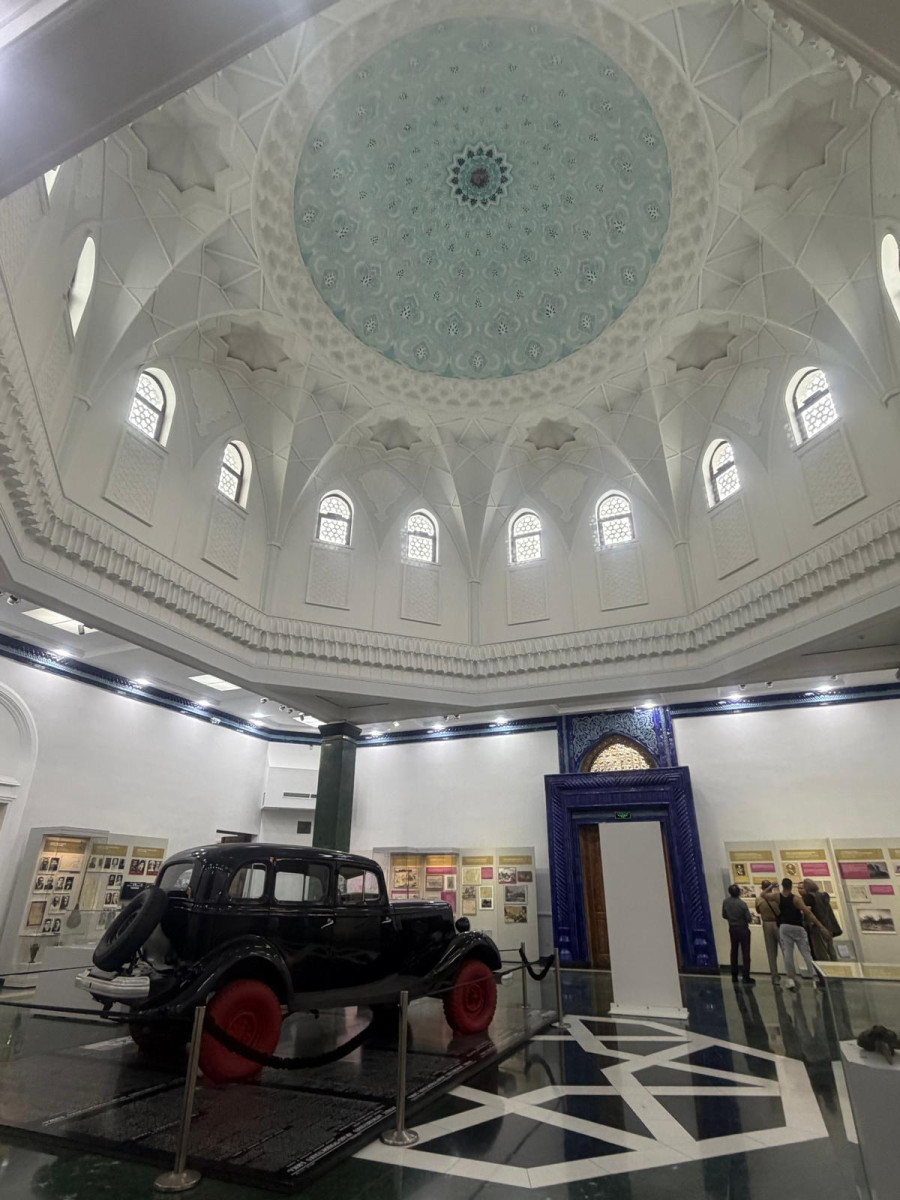
In May 2026, I visited the Museum of Victims of Political Repression in the city of Shymkent, Kazakhstan. According to the museum, it is Kazakhstan’s first museum dedicated to the political repression of 1937–1938. It opened on 2 November 2001 to mark the 10th anniversary of the Republic of Kazakhstan’s independence and to commemorate those who suffered during the Great Purge, the wave of political repression launched under Joseph Stalin. The museum also documents the mass deportations of numerous ethnic groups to Kazakhstan from across the Soviet Union during the Stalinist era.
The museum also explores the “Little October” (Kişi Qazan) policy introduced by Filipp Goloshchyokin, which paved the way for the Kazakh famine (Asharshylyk) of 1930–1933. Together with forced collectivization, livestock confiscation and the forced settlement of nomadic Kazakhs, these policies caused the deaths of an estimated 1.5–2 million people. The exhibition also covers peasant uprisings against Soviet rule, the Soviet labour camp system, deportations and the December 1986 (Jeltoqsan) protests, which became a symbol of Kazakhstan’s growing movement toward independence.
The museum’s primary objective is “to provide new historical insights into the era of the Red Terror and contribute to shaping a strong civic position to prevent such tragedies in the future.” It maintains close ties with descendants of repression victims, conducts historical research, and organizes lectures and educational programmes, including online through social media.
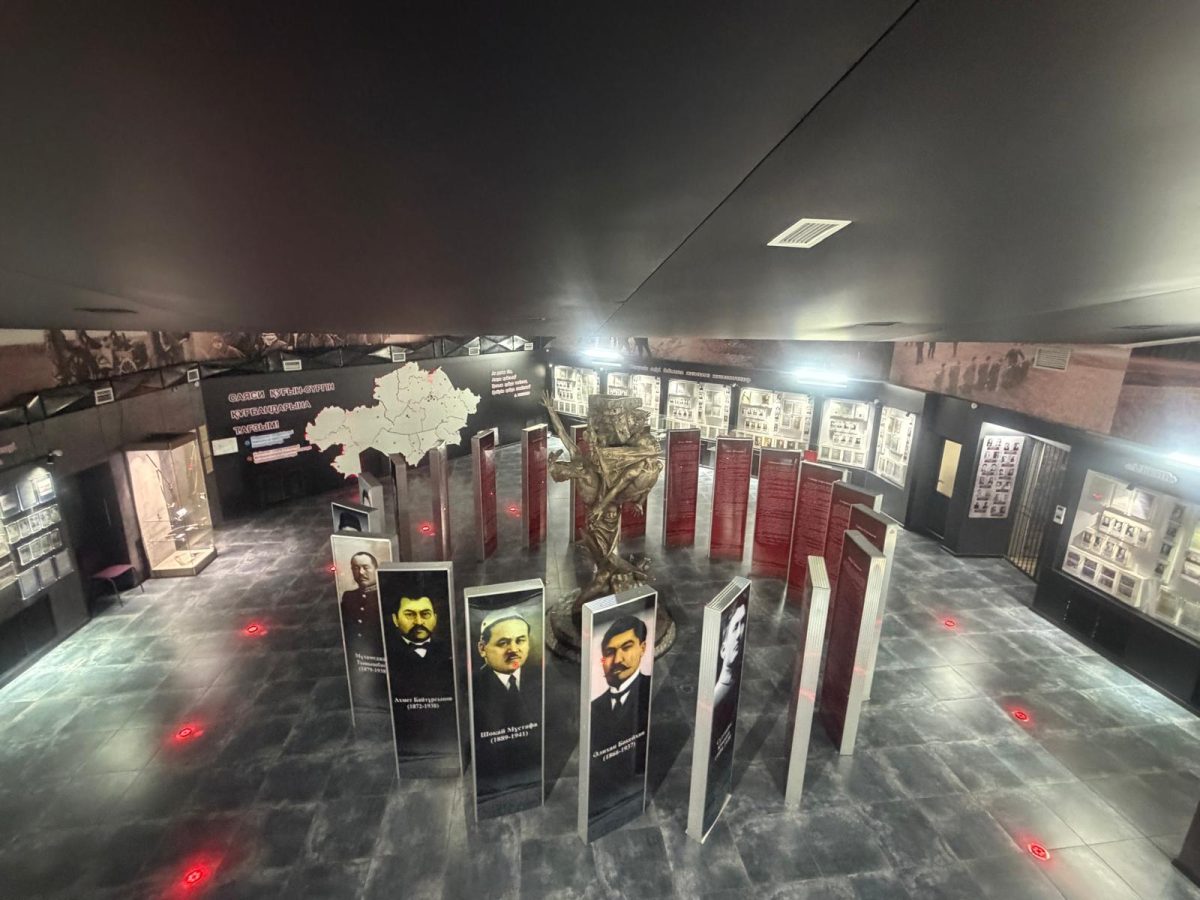
The museum consists of the Hall of Mourning, the Exhibition Hall, a Cinema Hall, and a monumental sculpture. Its collection comprises 16,691 exhibits.
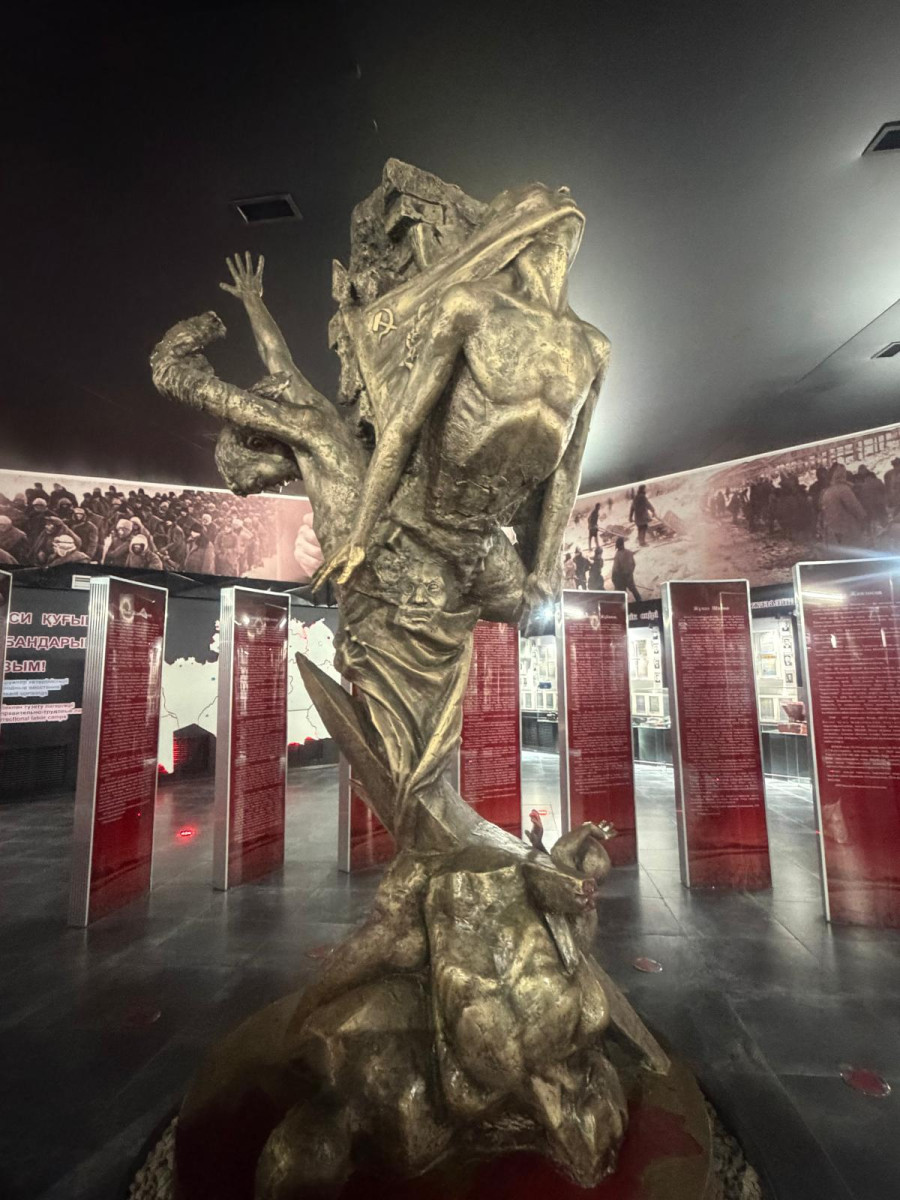
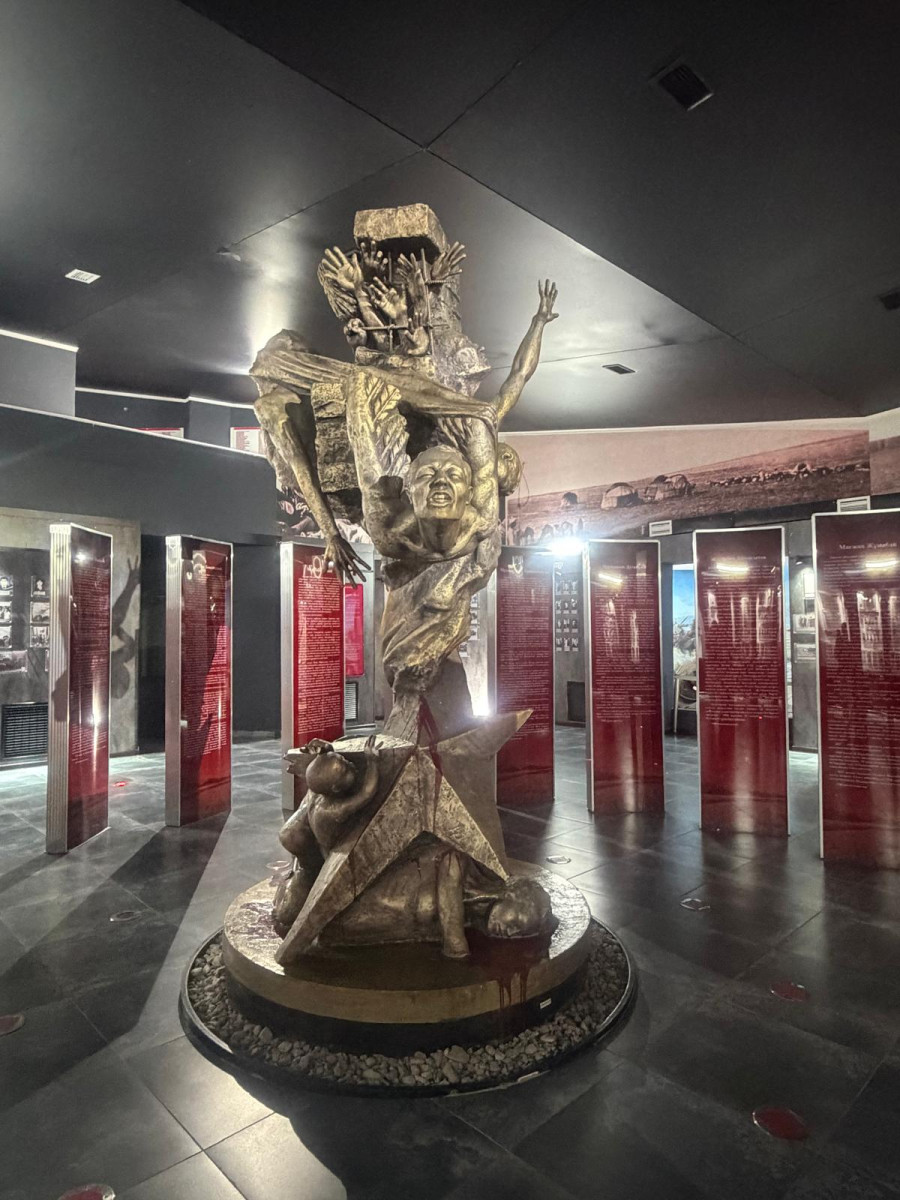
At the centre of the Exhibition Hall stands an impressive sculpture depicting people struggling for freedom while restrained beneath a Soviet banner, their bodies pierced by a shattered Communist star. Surrounding the sculpture are panels dedicated to prominent members of the early twentieth-century Kazakh national movement.
©Beata Bruggeman-Sękowska
©Beata Bruggeman-Sękowska
Exhibition Hall
The permanent exhibition consists of twelve thematic sections:
- Alash Leaders: the first Kazakh national democratic movement and political party.
- The Kazakh Famine (1930–1933).
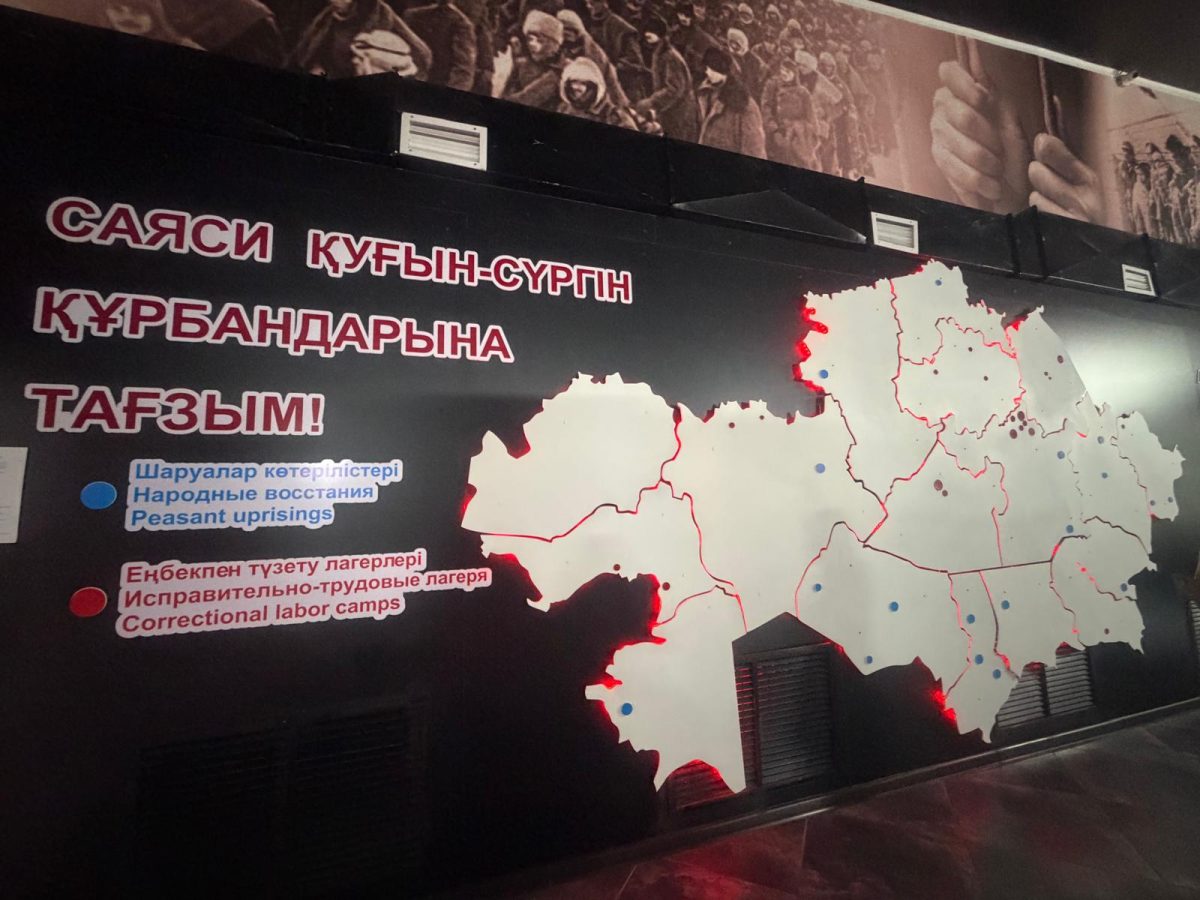
- The Sozak Uprising: an armed anti-Soviet revolt in southern Kazakhstan in 1930 against forced collectivization, livestock confiscation and religious persecution. It was quickly suppressed by Soviet forces, and many participants were executed or imprisoned.
- The Aday Uprising: a major anti-Soviet rebellion in western Kazakhstan in 1931 led by members of the Aday tribe in response to forced collectivization, the forced settlement of nomads and famine. The uprising was violently crushed and many Kazakhs were killed or fled across the border.
- Map of Labour Camps in Kazakhstan.
- Innocent Victims of Political Repression in Southern Kazakhstan.
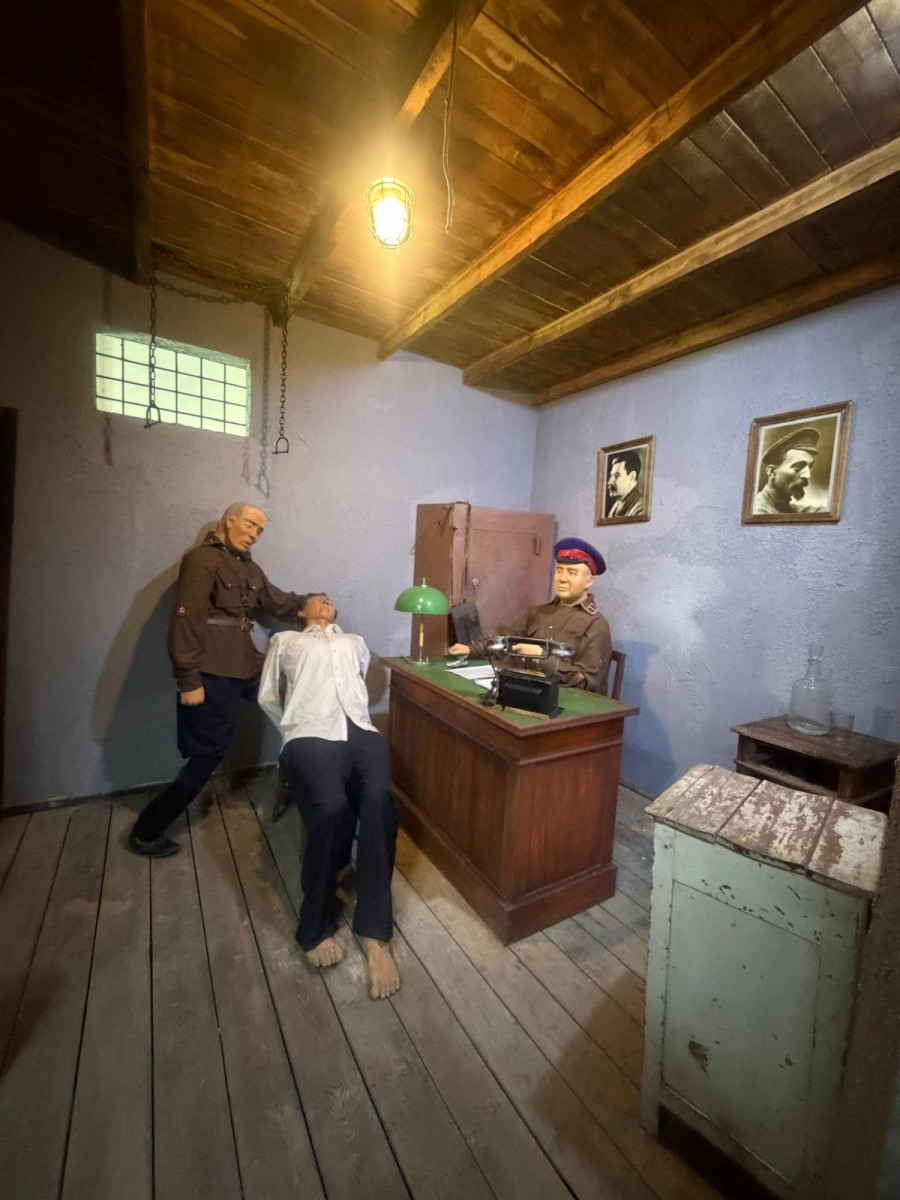
- Torture Chamber (Interrogation Room).
- Karlag (Karaganda Corrective Labour Camp).
- ALZhIR (Akmola Camp for Wives of Traitors to the Motherland). It was one of the largest women’s camps in the Soviet Gulag system. Opened in 1938 near Akmolinsk (now Astana), it imprisoned thousands of women, most of whom had committed no crime but were arrested solely because they were the wives or relatives of men accused of being “enemies of the people.” Prisoners endured forced labour, harsh conditions and family separation. Many gave birth in the camp and their children were placed in orphanages at an early age. Although the camp closed in 1950, most inmates were not rehabilitated until after 1958.
- The Tragedy of Totalitarianism.
- Deportation.
- The December 1986 Events (Jeltoqsan): mass student demonstrations in Almaty protesting Moscow’s decision to replace Kazakhstan’s First Secretary, Dinmukhamed Kunaev, with Gennady Kolbin, an ethnic Russian with no ties to Kazakhstan. The protests were violently suppressed by Soviet authorities but later became a symbol of Kazakhstan’s struggle for independence.
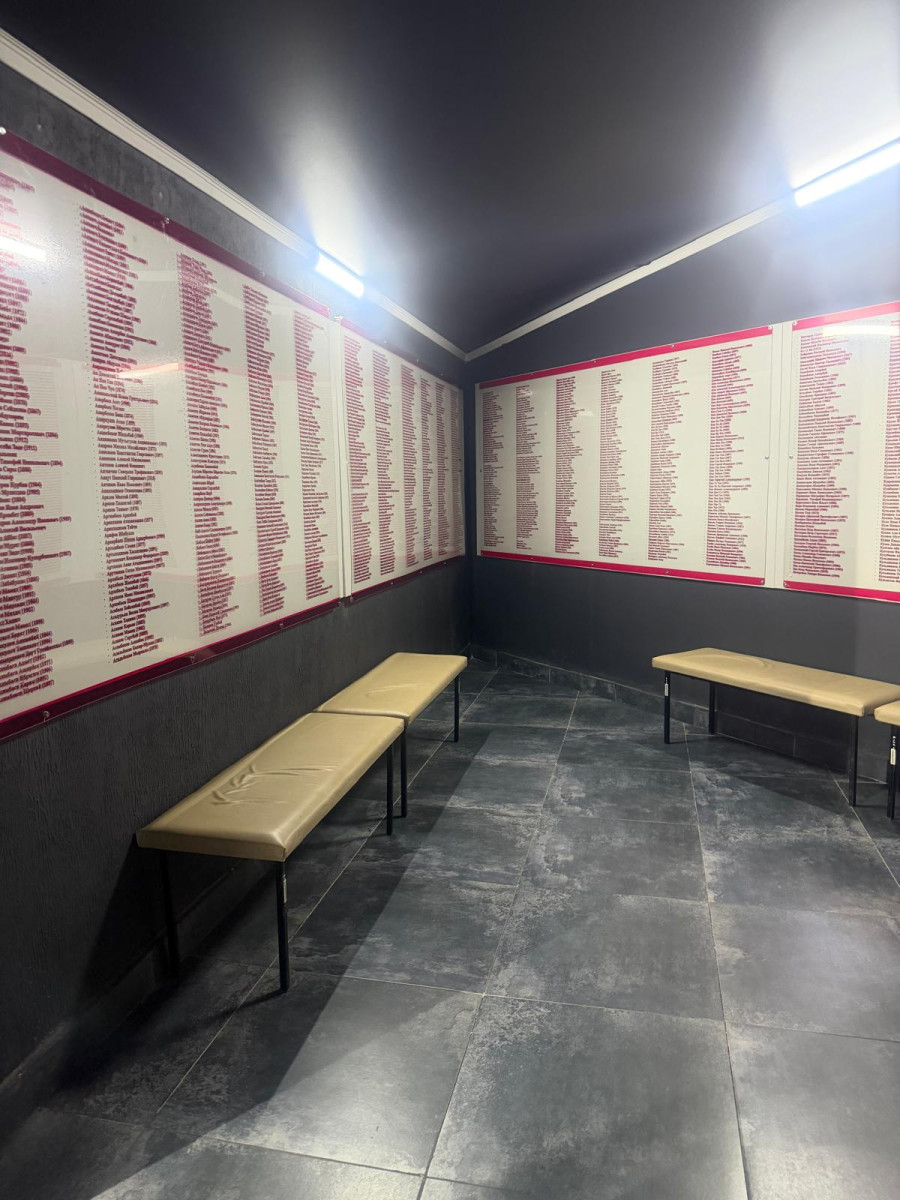
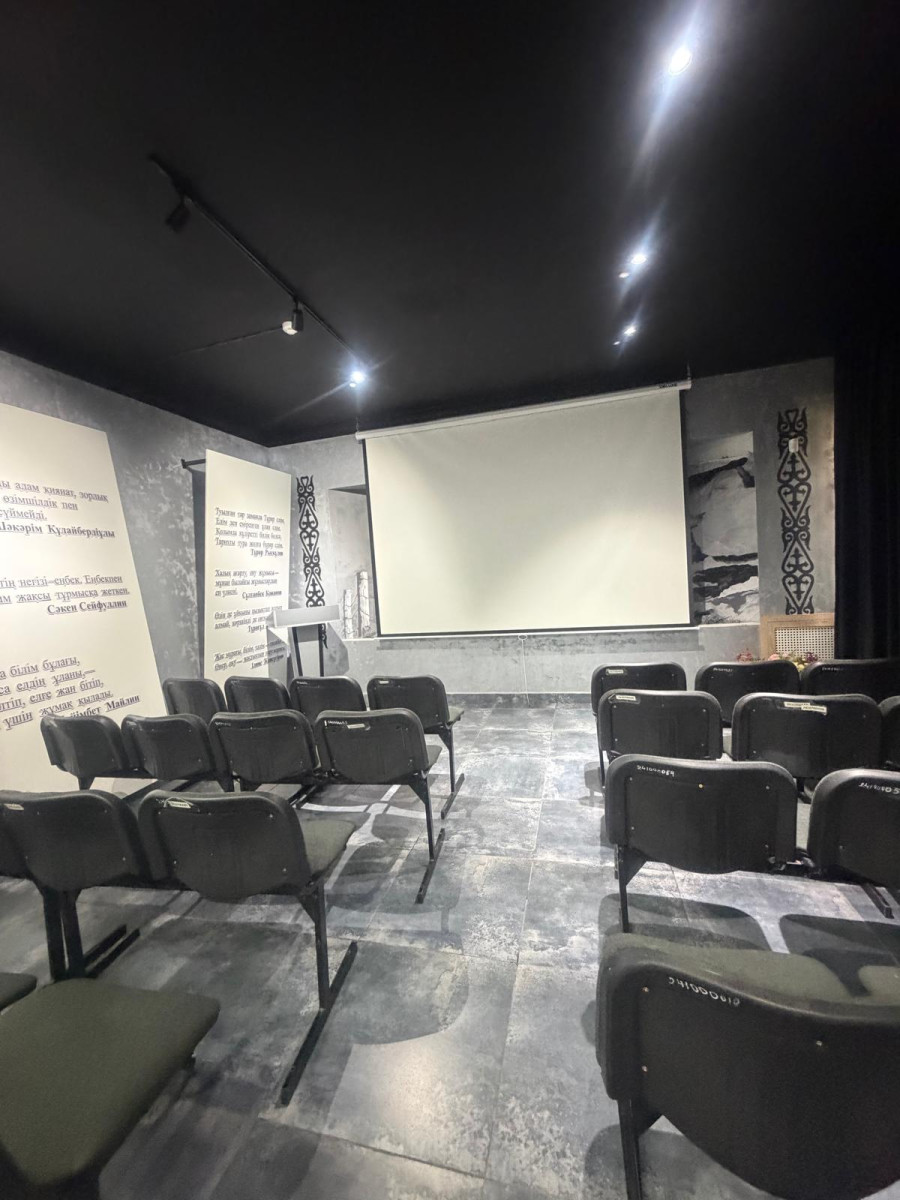
The Hall of Mourning displays endless lists of victims of Soviet political terror, while the Cinema Hall screens documentary films about the repression.
©Beata Bruggeman-Sękowska
©Beata Bruggeman-Sękowska
©Beata Bruggeman-Sękowska
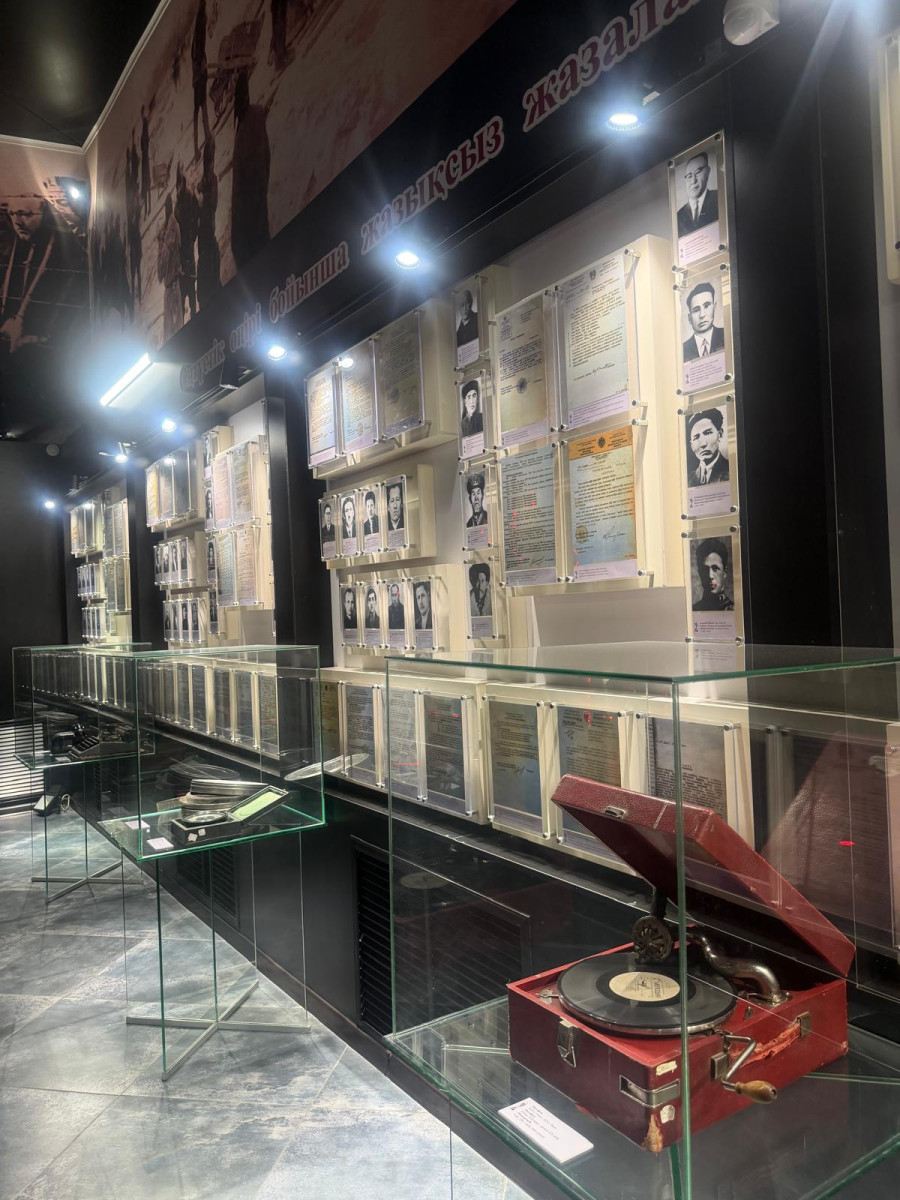
The Stalinist purges devastated the Kazakh intelligentsia. Thousands of writers, scholars, politicians, artists and public figures were arrested, executed, or exiled. Political repression reached its peak in 1937–1938, when 9,323 people were expelled from the Communist Party in Kazakhstan. During just two weeks in the spring of 1938, the travelling session of the Military Collegium of the Supreme Court of the USSR, chaired by Goryachev, sentenced 636 leading figures in politics, science, culture, and the arts to death on fabricated charges of “bourgeois nationalism,” espionage, and other alleged anti-Soviet activities.
Overall, approximately 113,000 people in Kazakhstan became victims of political repression, of whom about 25,000 were executed.
The Bolshevik authorities also deported entire ethnic communities including Koreans, Chechens, Germans, Poles, Ingush, Crimean Tatars, and others to Kazakhstan. Many deportees had committed no crime and were forcibly relocated solely because of their ethnicity. Together with the persecution of the Kazakh intelligentsia, these deportations profoundly changed the demographic and cultural landscape of Kazakhstan.
©Beata Bruggeman-Sękowska
©Beata Bruggeman-Sękowska
Practical Information
Address: 14a Ryskulbekov Street, Shymkent
Opening hours:
- Monday–Friday: 09:00–18:00
- Saturday–Sunday: Closed
Sources
https://welcome.kz/en/info-cities/shymkent/victims-political-repression-museum
https://welcome.kz/en/info-cities/akmola-region/alzhir
Photos: ©Beata Bruggeman-Sękowska

Author: Beata Bruggeman-Sękowska is an award-winning Dutch-Polish journalist and author. She is the chief editor of the Central and Eastern Europe Center and president of the European Institute on Communist Oppression. Born in Warsaw, Poland and currently residing in the Netherlands, Beata has roots in Lviv, Ukraine and has Armenian heritage.